‘You’re pushing us out.’ Residents voice concern about State College’s proposed tax hike
AI-generated summary reviewed by our newsroom.
- Council debates eight‑mill tax increase to cover recurring shortfall
- Residents warn 35% increase and 12.5% refuse hike will push households out
- Council president suggests project deferrals for savings
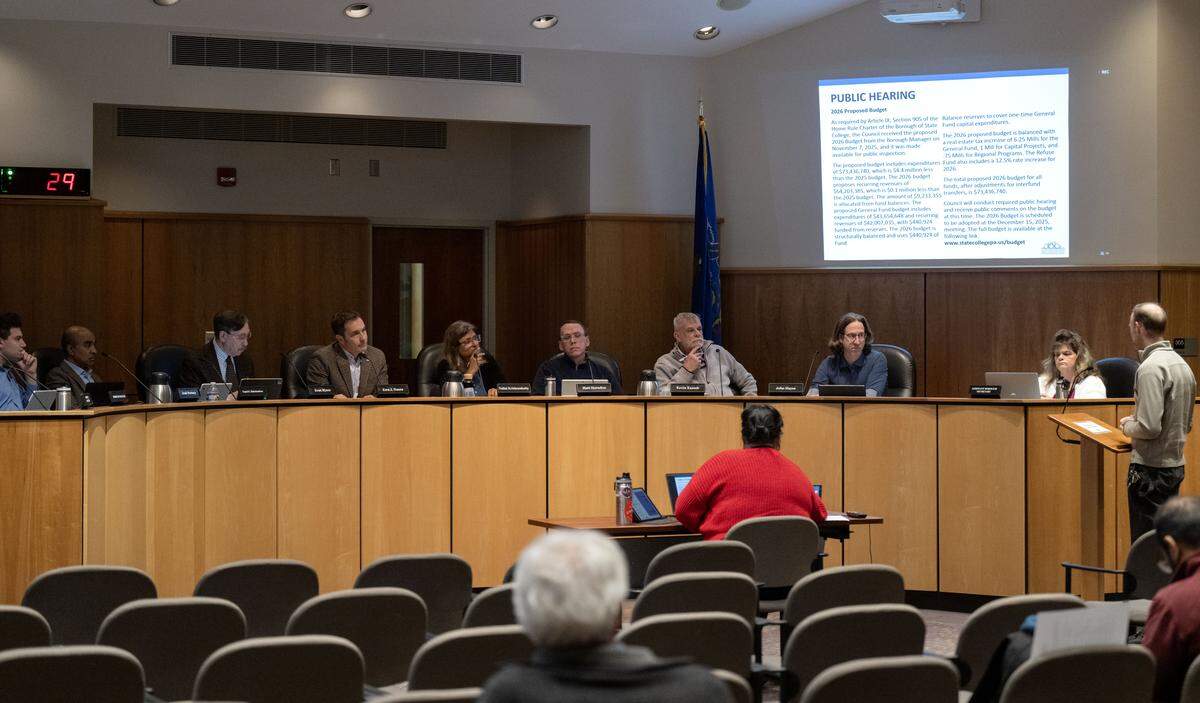
The State College council president said he would not support a budget with an eight mill tax increase during a meeting Monday night where some residents voiced concerns about the proposed increase.
The council held its public hearing for the proposed 2026 budget Monday evening after weeks of reviewing and discussing the spending plan that includes an eight mill tax increase, or about 35%. The council has tossed around ideas of ways to bring in more revenue without increasing taxes, but the borough manager has cautioned that such ideas may not be able to be implemented before the budget is approved.
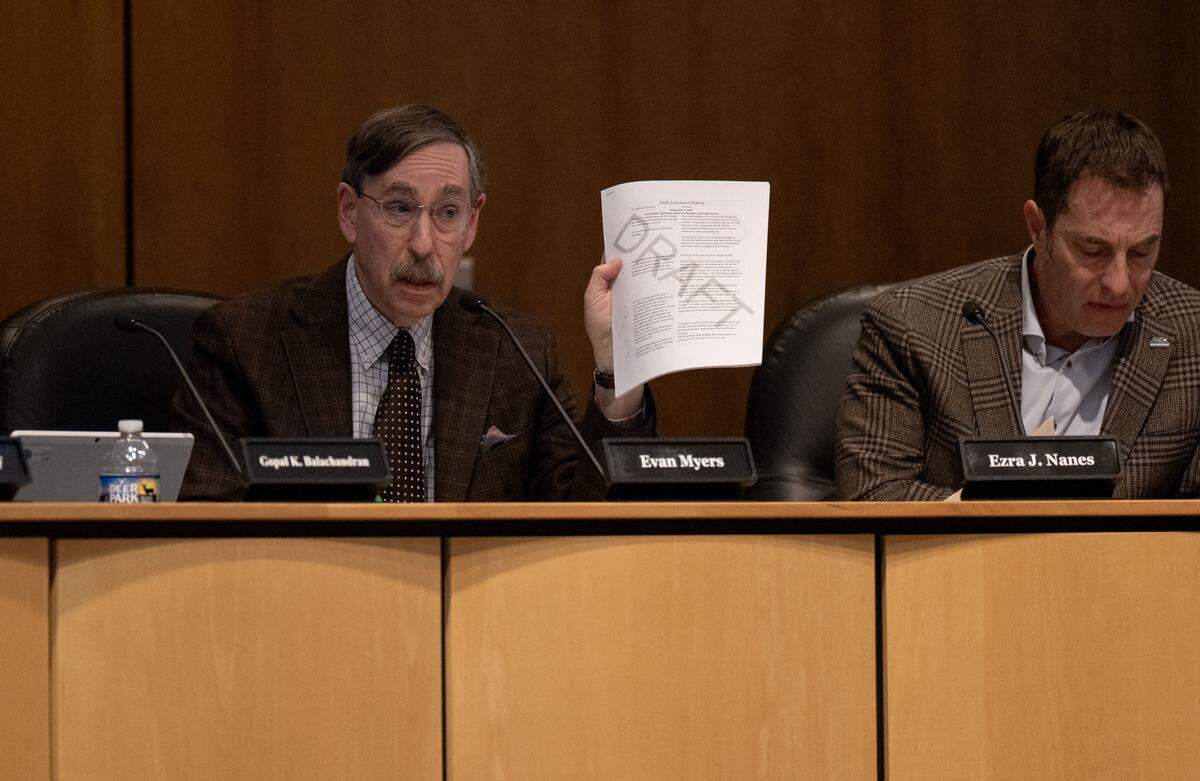
Council president Evan Myers said Monday the biggest savings the borough might be able to obtain is by deferring a number of projects from 2026 to 2027. He said in the near future, the borough may have the ability to enact a more fair taxation to spread some of the burden to those who visit State College for football games and other events.
While Myers said he and the borough love having people visit State College, the borough still has to pay for the services that the visitors use. That burden then falls on the residents, he said, because they’re unable to enact a tax on visitors at this time.
The borough can defer some projects until that time, which might be a year or so from now, he said. That needs to be considered because he said he won’t support the budget as is.
“Realistically, as it stands now, I certainly personally can’t support what’s being proposed from us from a taxation standpoint, and I know that others on this council feel the same,” Myers said. “We’ve been trying to come up with different ideas, the community has presented ideas, and we’ll continue to work on that. But we are going to have to make some choices because I don’t think that what we have now is tenable.”
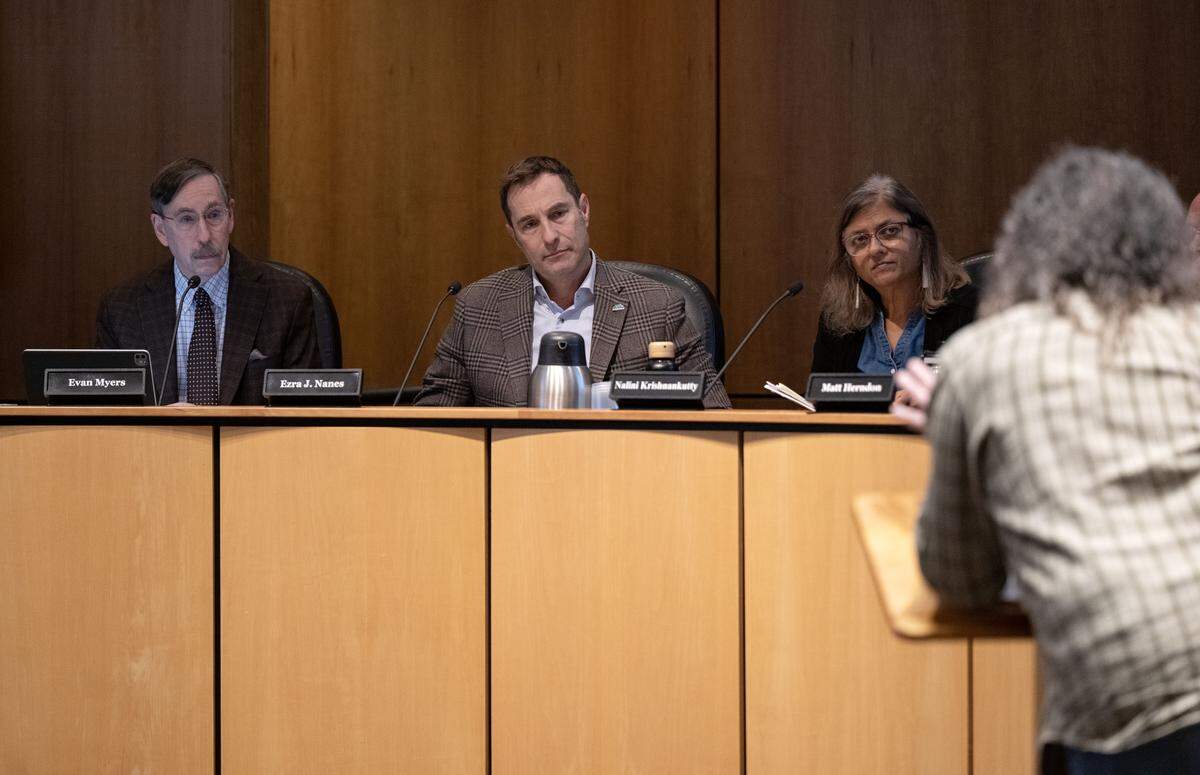
During the public hearing portion of Monday’s meeting, a few residents shared their concerns about the proposed tax hike as well. Mark Huncik, president of the Highlands Civic Association, worried that such a tax increase on top of rising costs such as medical insurance premiums, food prices and electricity could drive residents out of the borough in search of lower housing costs.
“We believe it will have a negative financial impact on both homeowners and renters in the highlands neighborhood and within the community as a whole,” he said. “During a time when housing affordability has been a focus of council members and the community, the proposed tax increase moves affordability in the opposite direction, especially since there are no added or increased services proposed in the budget that we could see clearly in the presentations thus far.”
Jeff Martin, a borough resident, also criticized the proposed tax increase and wondered if Penn State, which does a payment in lieu of taxes, or PILOT, pays the borough enough. To increase taxes on homeowners by 35% instead of having the university pay more is “ridiculous,” he said.
Part of the borough’s budget also includes a 12.5% rate increase for its refuse program.
“Thirty six percent is a number that’s unbelievable. You’re going to raise the refuse 12%, … it’s already pretty high. I like compost, I compost a lot of stuff and I think this borough does a great job. That 12% on top of 36% on top of the school tax, that went up — I think it’s going up again this year too — what do you want us to do? Move out? I feel like you’re pushing us out,” Martin said.
Why does State College need this tax increase?
The spending plan has been described as a “status quo” budget because it doesn’t include any new positions. The major cost drivers behind the budget are employee wage increases and a 9.1% increase in group health insurance.
Since 2021, the borough has been using one-time money from the American Rescue Plan Act for recurring expenses, Dwight Miller, finance director for the borough, said. The 2025 budget used $2.5 million of one time funds to balance it, he said, which equals about four mills.
“So before we even started putting a dollar to the 2026 budget, you were four mills in the hole. So really, the problem is either a spending problem that has occurred over a long period of time or a revenue problem. And I’ve been explaining this for years now that we’ve been using one-time money, we’ve been using transfer tax money, and we’ve been using ARPA funds to balance recurring expenditures, and that one-time source of money now has run out,” Miller said.
The budget has not been structurally balanced for at least the last five years, borough manager Tom Fountaine said. The proposed budget, with the tax increase, is structurally balanced. One mill equals about $607,000, so an eight mill tax increase would amount to $4.85 million in additional revenue for the borough.
He said they’re still looking at ways to reduce the tax increase.
“The borough’s costs don’t go down from year to year,” Fountaine said. “It’s largely personnel and service delivery cost, and so it’s very difficult to reduce that cost without reducing service levels.”
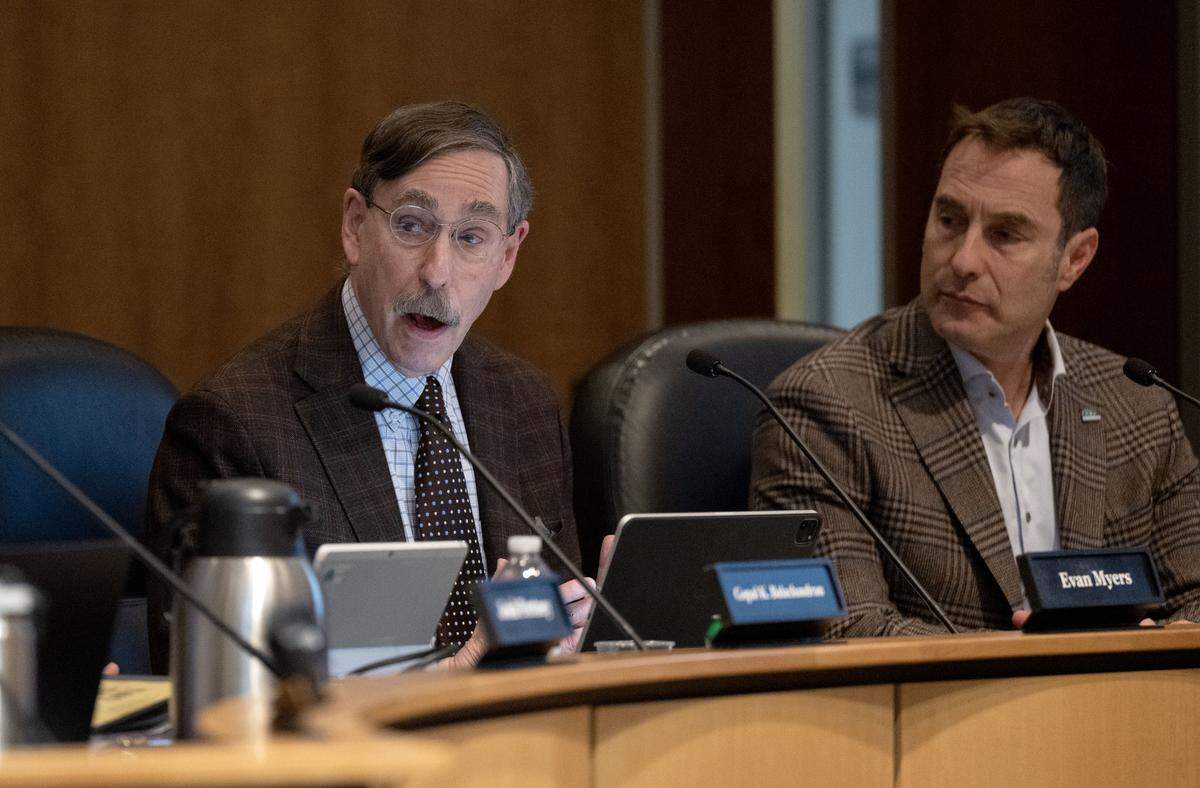
Myers said no one has suggested personnel cuts but did suggest deferring some projects. He encouraged the community to talk with the state legislature and advocate for allowing the borough to implement a tax on visitors.
“It’s not that we want to tax them so that we don’t have to pay taxes. As one person spoke up tonight, people are certainly willing to pay their fair share. But when we are the vital center of this community and have to spend the money on all the services, and we’re not getting our fair share back, that’s a problem,” Myers said. “I think the long-term health of our finances for the borough comes from that. And again, perhaps we can work together as a community to make a concerted effort to make that happen.”
Council member John Hayes also noted that while the borough’s mill rate looks “eye-wateringly high,” it’s deceiving because the county has not done a reassessment since the mid-‘90s.
“We have not had a reassessment since 1995. So when we talk about that mill rate, we’re doing it because we’re pretending your house is worth what it was worth in 1995. And so if we were to have a county-wide reassessment, then our mill rate would be much, much lower, even at enough revenue neutral standpoint,” Hayes said. “I think it’s really important for our constituents to be aware of the fact that, yes, our mill rate looks incredibly high, but that’s as a function of assessment policy at the county level.”
What’s next?
The council has two more meetings for budget review and discussion before the members will vote on the proposed 2026 budget.
Meetings are scheduled for noon Friday and 7 p.m. Dec. 8 to wrap up the discussion and review, before the meeting to adopt the budget, scheduled for 7 p.m. Dec. 15. The meetings are in the council chambers at the State College Borough Municipal Building, 243 S. Allen St., State College, and via Zoom.