State College considering tax hike Monday. Here’s what it could mean for you
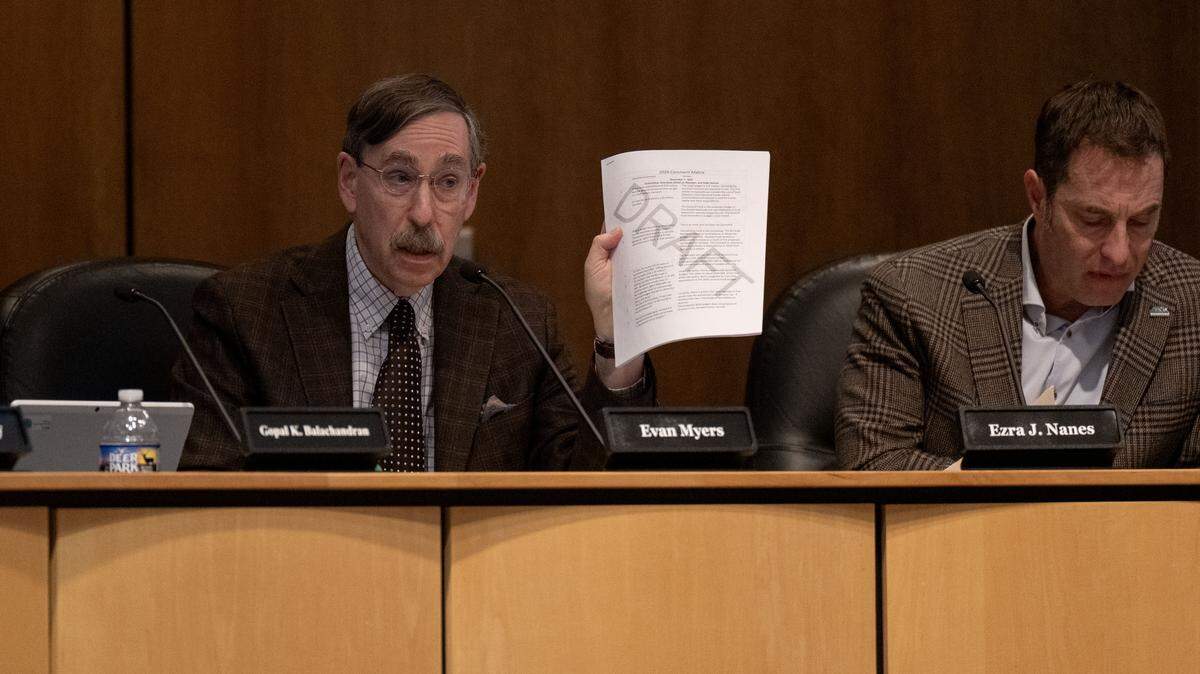
The State College borough council is set to vote on a budget Monday, Dec. 15 that could bring the overall property tax rate for Centre County’s largest municipality from 8.4% to 8.6%, adding about $100 to the median property owner’s tax bill.
Only Philipsburg, which is in a costlier school district, has a higher rate in the county.
The rate hike, which would take effect Thursday, Jan. 1, applies to about 5,700 taxable State College properties, meaning Penn State, governments and owners of vacant lots, among others, would not be affected. Only the borough’s portion of the property tax would be raised; the county and State College Area School District also set their own property tax rates, contributing to the overall levy.
The borough’s portion of the tax, if approved, would represent an 8.7% increase from last year and a 36% increase since 2021. It currently accounts for about a quarter of the overall property tax burden for State College property owners, which has increased 16% since 2021.
Property taxes apply to a parcel’s assessed value, which is decided by the borough and is usually significantly lower than market value. The median assessed value among State College’s taxable properties is $54,500, according to county data, meaning the median property owner’s tax bill would rise from $4,560 to $4,669, or $109 each year. The median value of residential properties is slightly lower than that of properties overall.
The tax increase would marginally bump homeownership costs. The median mortgage holder in State College pays $27,480 per year in taxes, utilities and other related home costs, according to a five-year estimate from the U.S. Census Bureau. Yearly costs for the median homeowner without a mortgage are around $8,800. A $109 addition to the median mortgage holder’s tax bill would represent a 0.4% increase in homeownership expenses, while the median homeowner without a mortgage would see a 1.2% increase.
Homeownership costs in State College are 15 to 18% higher than the county as a whole, according to the Census Bureau estimate.
It is unclear how exactly the extra revenue from the tax increase will be spent if the budget is approved. In a budget proposed in November that called for a 35% property tax increase, 78% of the extra revenue would have gone toward government services like planning, public works and police and 12.5% would have gone to the likes of streets, sewers and sustainability initiatives. The rest would have funded regional programs.
The State College borough manager did not respond to requests for comment.
Several council members said the proposal being considered Monday, which is far short of the 35% increase proposed last month, would not do enough to address State College’s budget woes. The budget, if adopted, would be the sixth in a row to call for deficit spending.