Could more one-way traffic be coming to State College? Council reviews proposal
AI-generated summary reviewed by our newsroom.
- State College may convert four downtown street segments to one‑way traffic as a pilot.
- The one‑year pilot aims to add 32 parking spaces and five additional loading zones.
- Council will review the proposal June 8 with final approval scheduled for June 15.
More one-way traffic could be coming to downtown State College if a proposal that seeks to create more parking availability and loading zones in the east end of town comes to fruition.
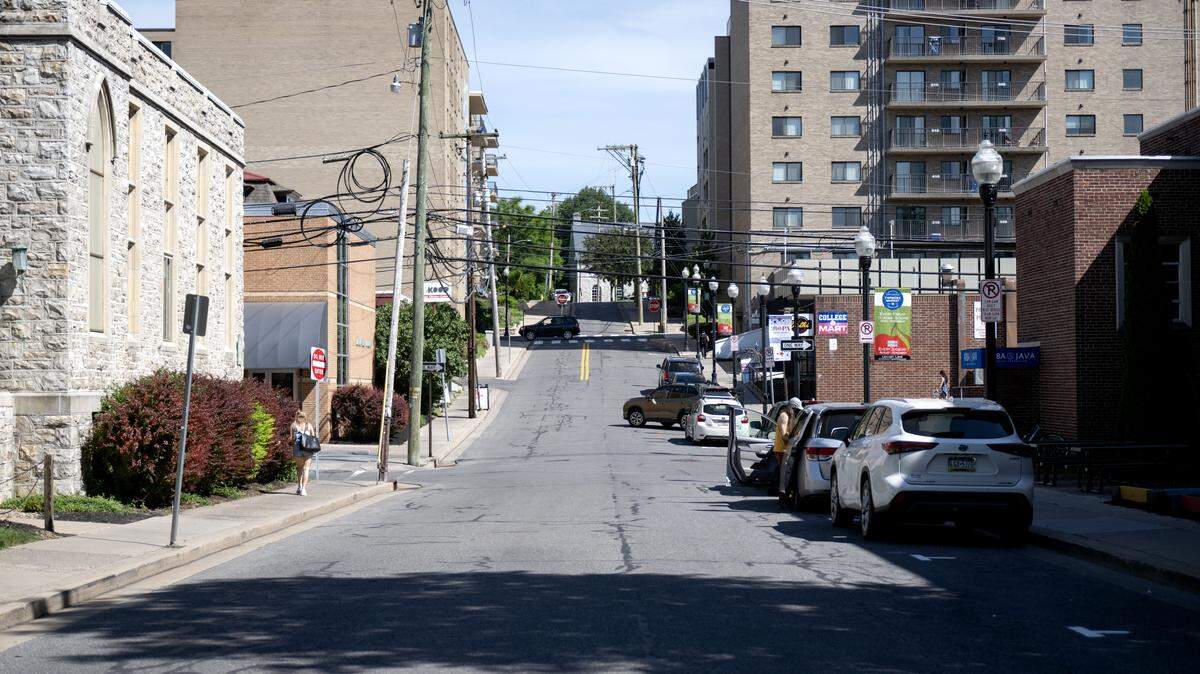
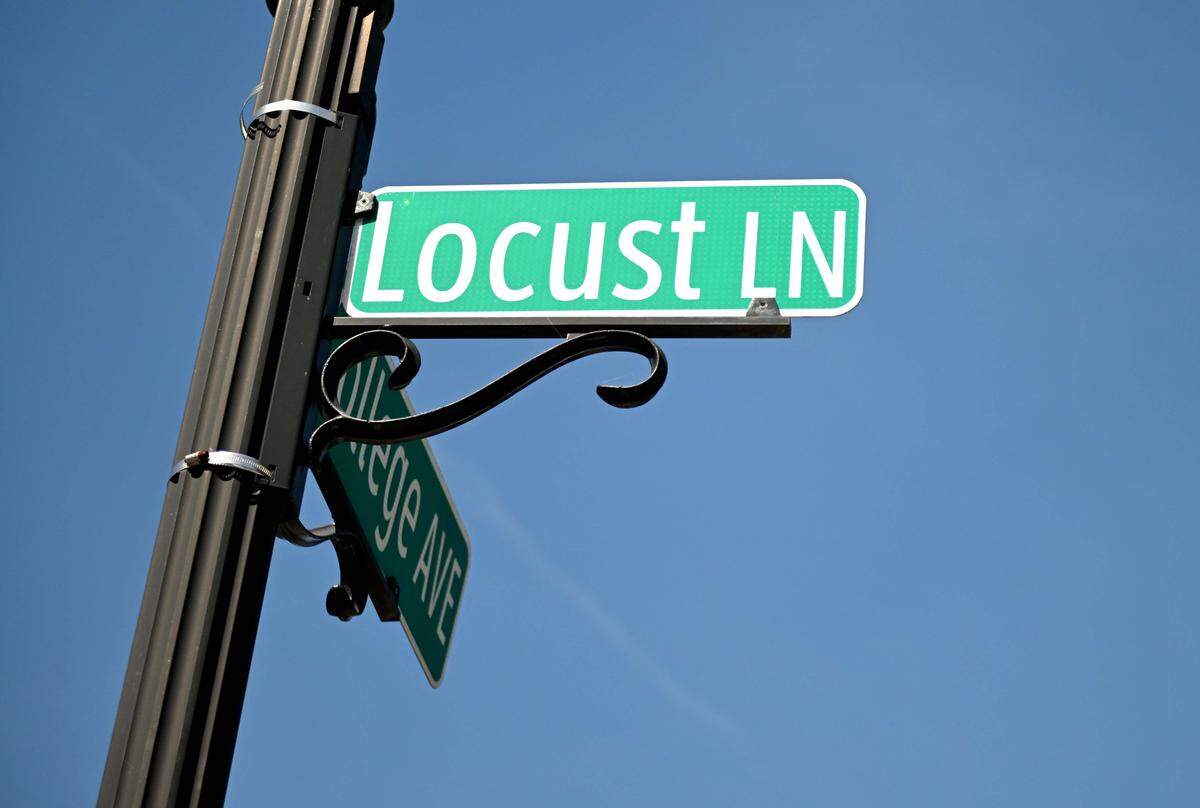
The State College Borough Council was presented with a proposal during Monday’s meeting that would convert portions of four streets to one-way traffic— the 100 block of Locust Lane and Hiester Street and the 100 block of Sowers Street and Hetzel Street. If approved by the council, the changes would add 32 new parking spaces and five additional loading zones.
The ordinance that was reviewed by the borough Transportation Commission in April and May would work as a one-year pilot program to convert one way “couplets,” or two one-way street pairs.
Under the plan, Locust Lane and Sowers Street would carry southbound traffic, while Hiester Street and Hetzel Street would carry northbound traffic.
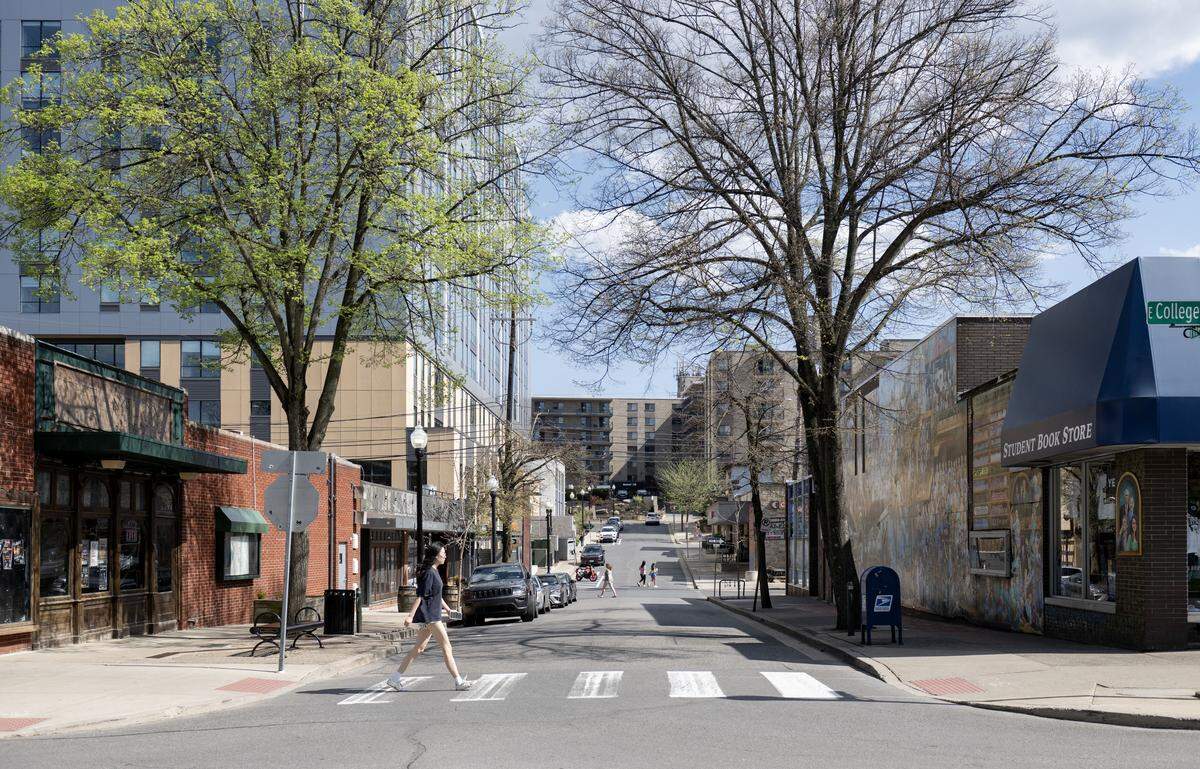
Converting these streets into one‑way segments would allow one of the existing travel lanes to be repurposed as curbside space, creating additional parking and loading zones.
The Parking Department also discussed the proposal with the Downtown State College Improvement District and Retail Advisory Board, both of which support the proposal, while the Transportation Commission recommended a one-year trial period, Ron Seybert, borough transportation engineer, said during Monday’s meeting.
The trial period would allow officials to evaluate how the new traffic patterns function during different times of the year, make any necessary adjustments, complete an engineering study and determine whether the changes should become permanent or be discontinued.
The proposal was developed to address the increase in development in downtown’s east end, which has led to an increase in unsafe and illegal parking, and would be “relatively low-cost” to implement, Seybert said, requiring mainly paint and signs. Three of the streets would be planned for the pay app and one street would have parking meters installed that are already in stock.
He added how several high-rises have requested a one-way traffic pattern for student move-in and wider sidewalks are also being considered along with other road alternatives.
“There would be some improvements to pedestrian safety by a one‑way operation, a somewhat more consistent pattern for movements,” he said. “The parking lane does not need to be as wide as a travel lane, and then there’s also potential for additional pedestrian amenities at either end of those parking lanes as well.”
But the proposal would significantly alter routes and require drivers to loop around blocks to reach destinations, Seybert said. This might lead to potential traffic delays with single-direction flows.
“There is a potential for traffic delay with all the traffic on a street going in one direction instead of two directions, so instead of exiting traffic going at eight locations, we’re now going to send it to four,” he said.
Seybert noted that one-way streets could increase wrong-way bicycle traffic, affect emergency response times and require additional enforcement and maintenance of signs and pavement markings.
The proposal will be reviewed during the council’s June 8 work session, with a vote on final approval scheduled for the June 15 regular meeting.
If approved, borough staff would finalize the design, assess truck turning movements and install signs and pavement markings over the summer ahead of fall 2026 move-in. The new traffic pattern would then be monitored during a one-year trial period, allowing officials to evaluate operations and safety, make adjustments as needed or discontinue the pilot if significant issues arise.