To squish or not to squish? How State College stores are managing the NeeDoh craze
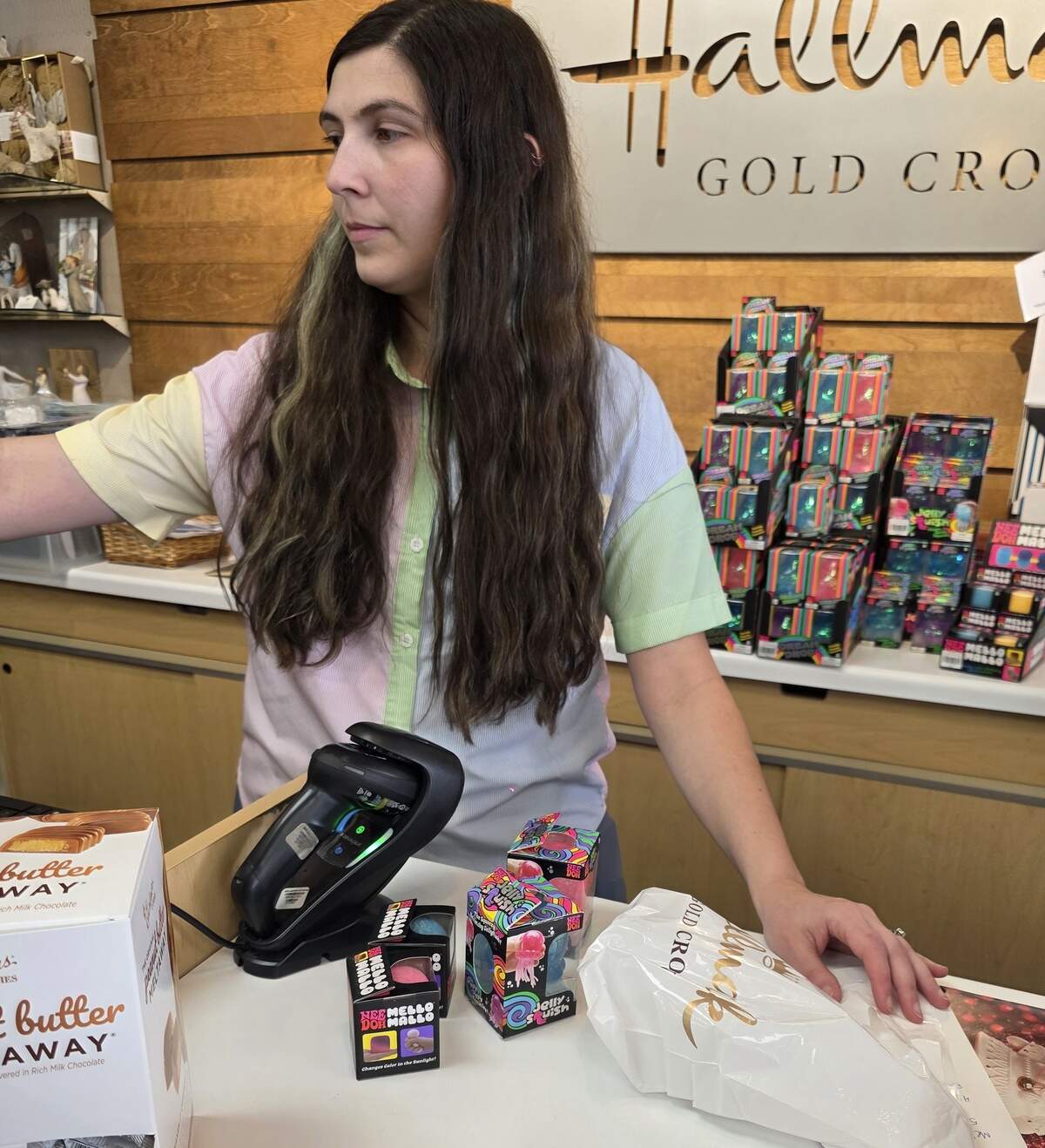
.jpg "Hallmark employee Mary Ann Sesler takes NeeDoh orders over the phone on Thursday, June 11, 2026.")
AI-generated summary reviewed by our newsroom.
- Shelves sell out in about three hours and phones keep ringing after sales.
- Stores impose purchase limits and timed drops to manage heavy NeeDoh and dumpling demand.
- Employees say Shilling imposed purchase limits, a summer ban, and NDAs.
The shelves behind the register at Christine’s Hallmark don’t stay stocked for long — only about three hours on average — but the phone keeps ringing well after the last sales are made. This new surge in business is courtesy of some squishy stress toys that have seen a rise in popularity across the country.
NeeDohs, a line of rubber fidget toys, have grown in popularity since the beginning of the year when a series of reviews began appearing on TikTok. A fad developed quickly, and made its way to State College.
“We couldn’t get [NeeDohs] in because of how much people were buying them,” said Hallmark employee Sadie Stodart, after the craze began.
Christine’s Hallmark shop on North Atherton Street is one of several stores in Centre County that sell NeeDohs. Products can also be found (at least sometimes) at Growing Tree Toys, Five Below, Walmart and Target.
Christine’s Hallmark shop has been stocking these toys since 2016, but according to owner Christine Willnecker, the demand has never been this high.
“When I bought the store in 2016, I brought [NeeDohs] in as a line. They were hot, but not this hot,” she said. “We weren’t getting calls about them.”
NeeDohs come in all shapes and sizes, from squeezable cubes to shaggy stress balls, but, according to Willnecker, customers are rarely picky when it comes to what they buy.
“If they have an ice cube already, they’ll come back and get a purple ice cube. If they have a Groovy Glob, they’ll come back and get another Groovy Glob they don’t have,” Willnecker said. “Whatever we have, they will buy.”
High demand leads to rules, limits
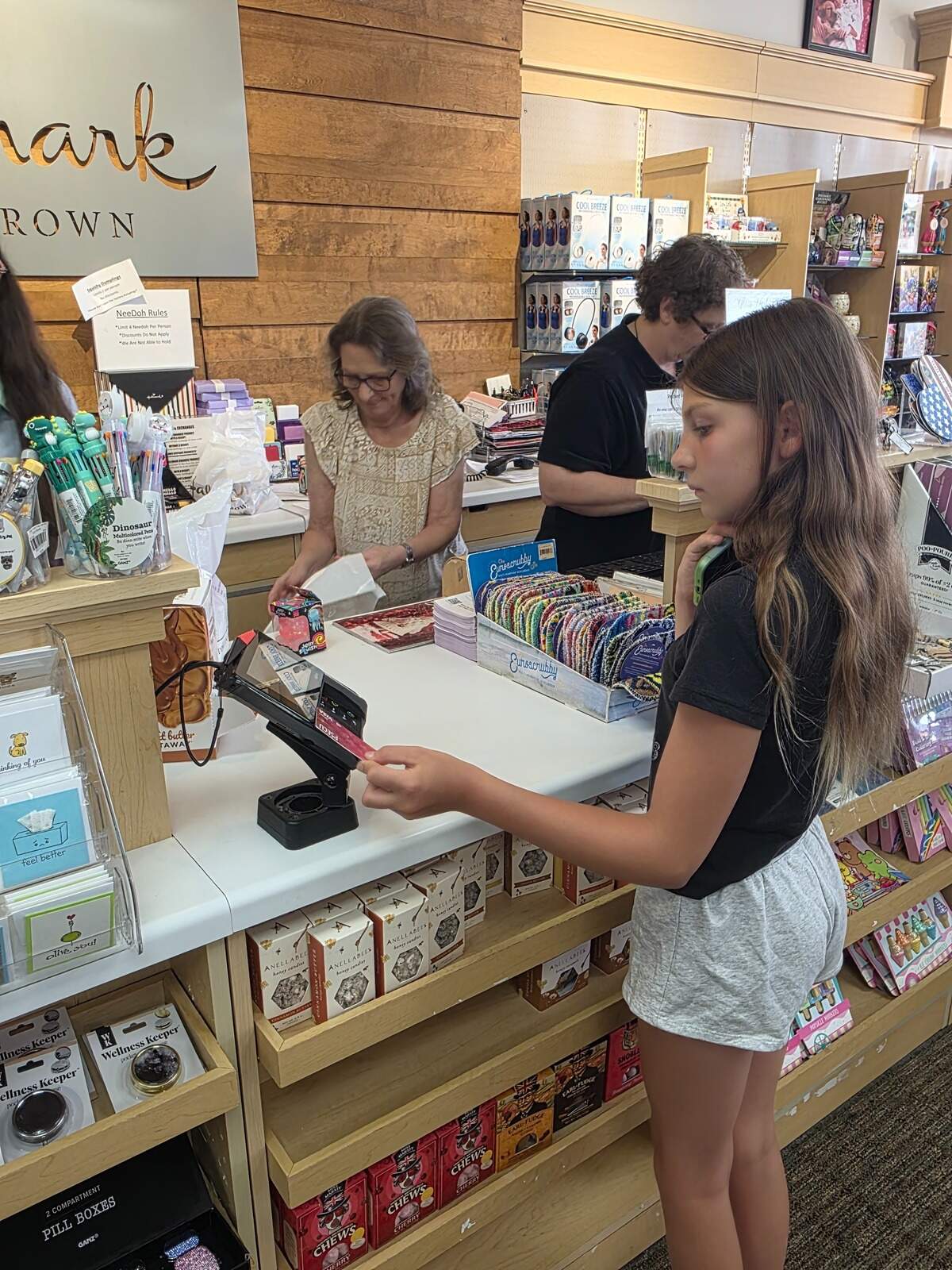
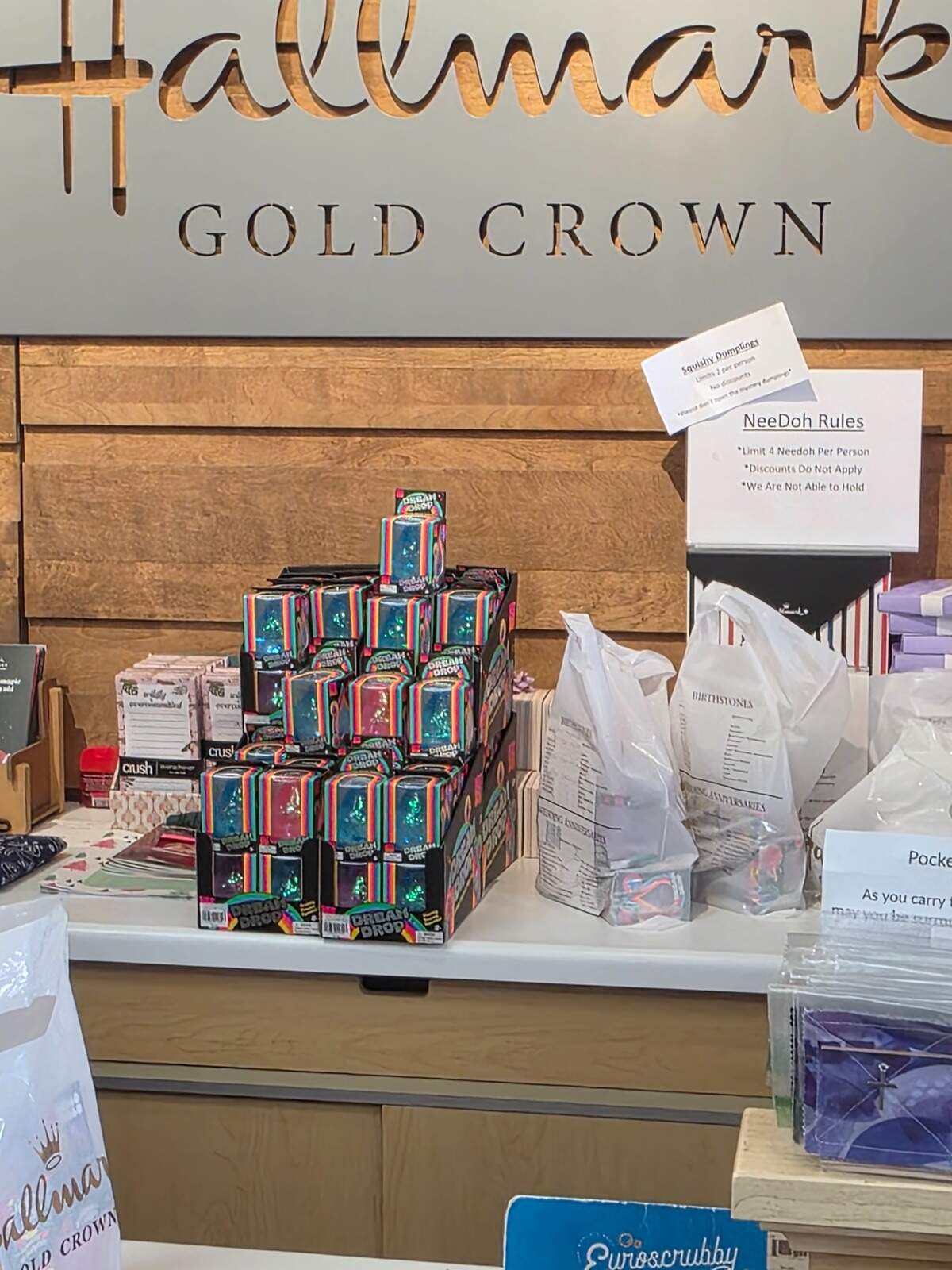
Once Willnecker realized the demand for NeeDohs, she implemented a new system to manage sales. Customers are limited to four NeeDohs per person and two Mystery Squishy Dumplings — another popular stress toy.
When a shipment comes in, Willnecker will advertise it on the shop’s Facebook page. The phone rings within minutes. On Thursday afternoon, the phone rang two minutes after the post went live. People began streaming through the doors three minutes later.
As people began to crowd the front desk and form line, one person took purchases over the phone while two others rang up customers at the counter.
Willnecker said customers have begun memorizing when the store receives shipments, waiting inside the store until the trucks arrive. Regardless of the demand, however, the purchasing limit remains strict.
“I didn’t want to create negativity,” Willnecker said. “I felt like we had to have a system to sell them so that people were coming in, and everybody was getting a fair chance at purchasing.”
NeeDohs and Mystery Squishy Dumplings are popular across all ages, with buyers ranging from children to young adults.
.jpg "20260611_140212 (1).jpg")
“Someone I know went at like 4 a.m. waiting for a shipment to come [at Growing Tree Toys], because they knew it was coming that day,” Stodart said. “They wanted to wait in line.”
Growing Tree Toys in downtown State College has implemented even stricter buying limits to accommodate NeeDohs popularity — only two per person.
“We’re across from campus. When the big kids were here, they were just wiping us out,” said store employee Lindsay Jones. “We were realizing ‘Oh, our local kiddos are not getting it.’ Not only are we limiting the quantities, but we are [selling NeeDohs] certain times of the day, waiting until after school, so those kids or parents that had 9-5 jobs could come down.”
How long will the NeeDoh craze last?
Like Christine’s Hallmark, Growing Tree Toys has also been carrying the NeeDoh brand for nearly a decade. Originally a popular purchase for therapists and teachers, the TikTok trend has caused popularity to surge across all age groups, but the store aims to cater to the child customer.
Growing Tree avoids using social media to advertise their shipments, and has only done one formal product drop to date, scheduled the Saturday after Penn State graduation.
“Our drop was very successful,” Jones said. “That’s part of the growth of the trend, that experience of hunting, doing runs to all the different stores ... waiting in line.”
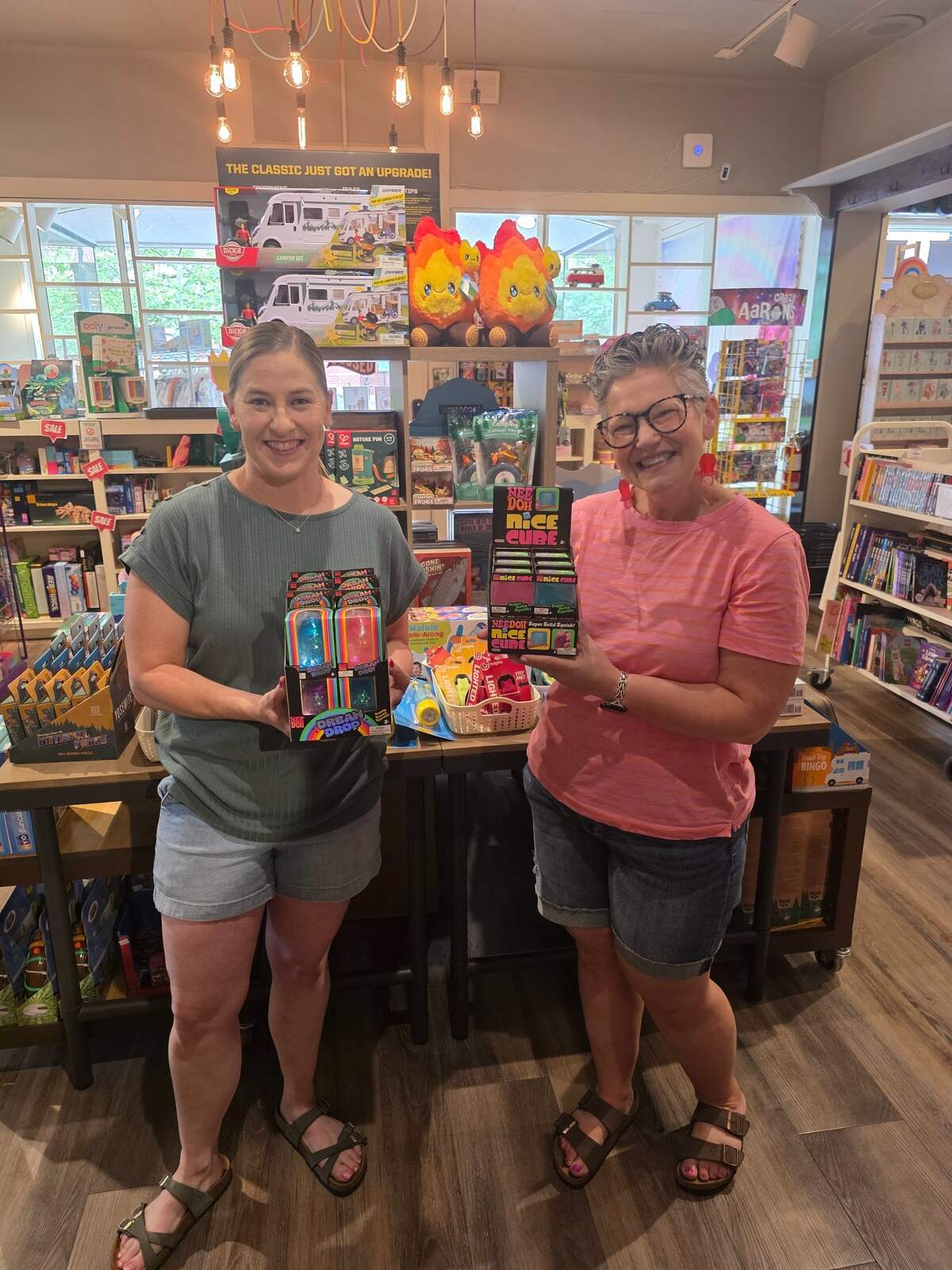
The Growing Tree NeeDoh drop had customers lined up around building for approximately three hours. Staff members had created a “menu” of their current supply to parents and children could make their purchasing decision while they waited.
“This little girl got up [to the front of the line] and was just so overwhelmed, so she forgot everything,” Jones said. “That’s their biggest choice in life right now.”
Jones said that staff members behind the counter encouraged the girl to take a breath and admire the display, as she had never seen so many NeeDohs in one place.
“She was so excited,” she said. “We wanted to make the drop that way ... when you got to the counter, that was your moment.”
It’s not only the name brand stress toys that are in high demand. Kid to Kid, a children’s thrift store in Hills Plaza, has sold boxes of off-brand NeeDohs within days of receiving a shipment.
“We haven’t even announced when they come in, because they sell without us announcing it,” said store manager Sarah Parfitt. “People just get a surprise when they come in.”
Replicas of the Mystery Surprise Dumplings and other popular stress balls are some of the store’s most popular commodities, despite their different branding. However, the demand is beginning to impact the supply.
“We’ve gotten four boxes of the dumplings in, and with the other ones, we’ve had maybe only two or three,” Parfitt said. “They are hard to come by, even for the businesses. Shipping takes a long time.”
Regardless, Parfitt feels that, as a small business, the store is managing well.
“People aren’t expecting them here,” she said. “It’s kind of fun, you know? The kids are excited.”
This isn’t the first time stress toys have been in demand by local markets. Parfitt recalls the fidget spinner craze of the mid-2010s and how quickly demand changes once a trend fades.
“We had boxes upon boxes, and then, about six months in, we still had these fidget spinners,” she said. “They weren’t selling anymore because the fad had kind of gone away.”
Only time will tell if NeeDohs and Mystery Squishy Dumplings will fade as quickly as past toy fads, but for now, businesses are doing their best to stay stocked.
“I think we’ll see [the trend] through the fourth quarter, all the way to Christmas,” Jones said.
Schylling, the company behind NeeDohs production, has begun enforcing purchasing limits on storefronts, according to employees at Growing Tree, including a complete purchasing ban for the summer months. Store management was required to sign nondisclosure agreements in order to view next year’s products, according to Jones.