
2 former Penn State frat members plead guilty in one of largest hazing cases in US history
Two men whom state prosecutors have held out as planners of a 2017 party where a Penn State fraternity pledge was fatally injured pleaded guilty Tuesday, signaling an upcoming end to one of the most sprawling hazing cases ever brought in the United States.
Former Beta Theta Pi President Brendan P. Young, 28, and vice president and pledge master Daniel Casey, 27, each pleaded guilty to 14 misdemeanor counts of hazing and a misdemeanor count of recklessly endangering another person.
Their deals with prosecutors mean a weekslong trial that had been scheduled to begin in September will not take place and could put an end to years of appeals that reached Pennsylvania’s highest court. Jury selection was scheduled to begin Aug. 6.
The hazing counts were for each member of the fraternity’s spring 2017 pledge class who went through drinking challenges, Chief Deputy Attorney Brian Zarallo said. The reckless endangerment charge was specific to Timothy Piazza, a sophomore engineering major who died after a night of excessive drinking at the frat.
“There should be no discussion of this case without recognizing the tragic loss of life and resulting devastation for Mr. Piazza’s family and friends,” state Attorney General Michelle Henry said in a statement. “Mr. Piazza was simply seeking to join a social organization for the benefits of community and shared experiences, as so many university students do. Most of those students go on to successful lives and careers — basic expectations following college which Mr. Piazza never had the opportunity to experience.”
Tuesday’s hearing was starkly different than many of its predecessors in a case that shined the spotlight on Centre County and landed its former district attorney on national television.
Centre County Judge Brian Marshall, Young and Casey, their defense attorneys, Piazza’s parents and others attended the hearing via Zoom. Court personnel were the only others inside the courtroom.
Zarallo recounted Piazza’s harrowing night in rote fashion, while Young and Casey gave brief answers to routine questions asked of them. At the end of the hearing, Marshall lifted a gag order that was in place to limit public statements about the case.
Young and Casey are scheduled to be sentenced Oct. 1. Zarallo said he anticipates Jim and Evelyn Piazza, who have become anti-hazing advocates since their son’s death, offering a statement at the hearing.
“We are relieved that after almost eight years this matter is close to being behind us so that we can properly grieve the death of our son,” Jim Piazza told the Centre Daily Times after Tuesday’s hearing. “We are happy that the defendants finally admitted to both hazing and recklessly endangering our son. While none of this brings him back, it does begin to give us some closure.”
Terms of the plea agreements did not include a sentencing recommendation. None of the young men who were charged in the sprawling case have served time behind bars.
Statements from defense attorneys Steve Trialonas and Julian Allatt intimated they plan to argue for some form of probation. Allatt declined comment after the hearing; a message left with Trialonas was not immediately returned.
Piazza, 19, of New Jersey, drank heavily during a February 2017 pledge bid acceptance ceremony and was fatally injured in a series of falls at the now-closed fraternity house.
His agonizing night was captured on the house’s video system and has been played publicly, which often prompted his parents to exit the courtroom. Prosecutors said fraternity members did not call an ambulance until the next morning and even took counterproductive measure to help him.
Piazza died of multiple traumatic injuries that included a fractured skull and damaged spleen. A forensic pathologist said Piazza’s blood alcohol content was between 0.27% and 0.35%, more than three times the state’s legal limit.
Young and Casey have been cast by prosecutors as the leaders of the fraternity members who were accused of pressuring Piazza and others to run through a drinking “gauntlet.”
“As a result of the events planned and implemented under the direction of defendants Young and Casey, all 14 pledges were supplied an excessive amount of alcoholic beverages and instructed to drink them within a dangerously short period of time,” Zarallo said Tuesday. “Both defendants were aware of the risks of excessive alcohol consumption.”
State College police investigators said they uncovered numerous text messages among fraternity members, including one that read “Make sure the pledges clean the basement, and get rid of any evidence of alcohol.”
But in a blow to prosecutors, a state Superior Court panel ruled in December 2022 that the evidence was not admissible because it was gathered from a search warrant that was too broad. The state Supreme Court refused to hear an appeal from state prosecutors.
The most serious allegations of involuntary manslaughter and aggravated assault were previously dismissed or withdrawn. Most other fraternity members pleaded guilty to hazing- and alcohol-related counts, their sentences often including probation and community service.
Not all were charged with Piazza’s death. Several were convicted of plying alcohol to other underage fraternity members.
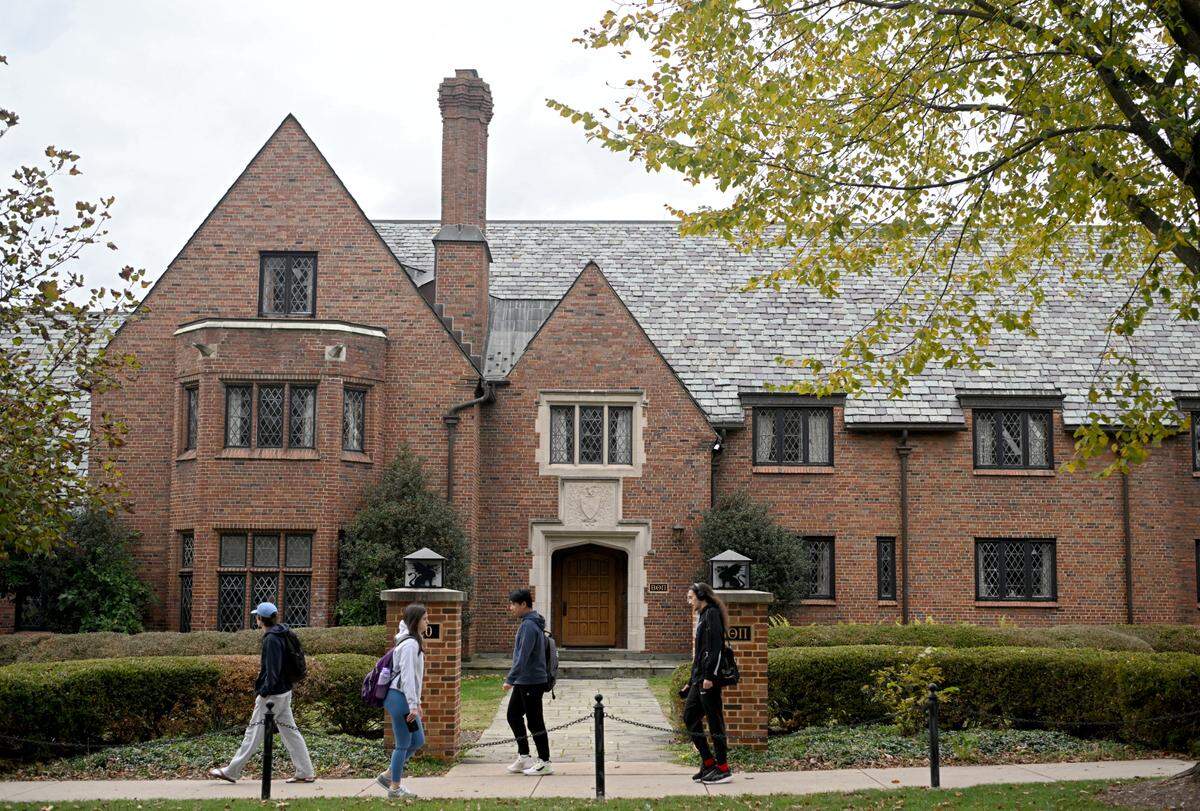
Piazza’s death and Penn State’s decision to shutter the fraternity also touched off years of legal wrangling over the future of the property.
After a three-day bench trial that featured testimony from some of the most powerful people at the university, Marshall ruled that a clause in a 1928 deed gave Penn State the right to buy back the property.
The university and the alumni-run house corporation that owns the property have been unable to agree on a sale price on their own. They were scheduled to return to court Wednesday, but the hearing was canceled and has not yet been rescheduled.
Jim Piazza has told the CDT he hopes the university will “put the property to good use and honor our son’s life with its new purpose.” He’s previously floated the possibility of establishing an engineering building named after his son.
Piazza’s death also led to the creation of Penn State’s Timothy J. Piazza Center for Fraternity and Sorority Research and a rewrite of Pennsylvania’s anti-hazing law. The stricter law made the most severe forms of hazing a felony, required schools to maintain policies to combat hazing and allowed confiscation of frat houses where hazing has occurred.
Nineteen organizations have been sanctioned by the university for hazing violations since January 2019, including at least two for the forced consumption of alcohol.
This story was originally published July 30, 2024 at 1:55 PM.