
Court upholds sentence for man convicted in 1995 beating, rape of Penn State student
AI-generated summary reviewed by our newsroom.
- Appeals court upheld Scott R. Williams’ 10- to 20-year sentence for 1995 rape.
- DNA from trash and son’s utensils linked Williams to the cold case assault.
- Court found no privacy violation in discarded evidence or John Doe warrant use.
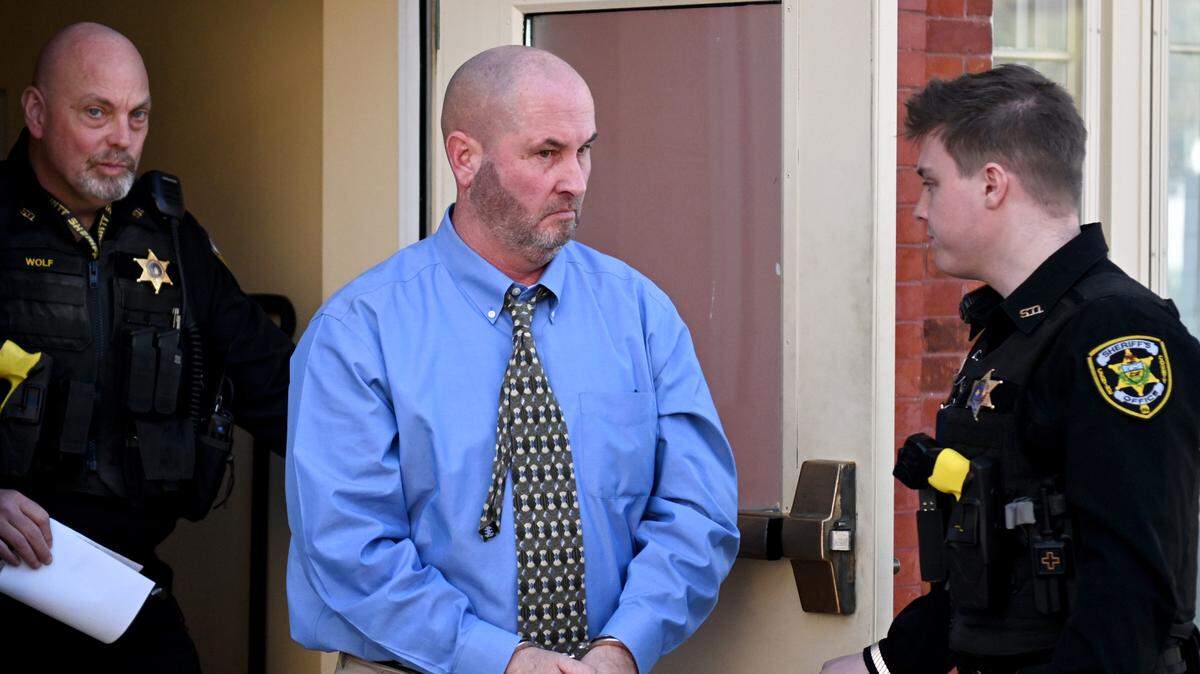
A statewide appeals court upheld Thursday the 10- to 20-year state prison sentence for a man convicted last year in the 1995 beating and rape of a Penn State student the night before she was set to graduate.
A unanimous three-judge panel of the state Superior Court affirmed the sentence of Scott R. Williams, who unsuccessfully raised five challenges following his convictions last year of rape and aggravated assault.
Williams, 53, of Mifflin County, argued the DNA warrant used to charge him was unconstitutional, that Centre County prosecutors failed to exercise due diligence and that they violated his right to a speedy trial.
His attorneys further claimed the State College Police Department’s warrantless search of trash outside his home and his son’s discarded utensils — which played a key role in identifying him as a suspect in 2021 — were unconstitutional.
Each were rejected in what Centre County District Attorney Bernie Cantorna said was a comprehensive and emphatic ruling.
He credited the borough police department’s diligent work, which was led by Detective Stephen Bosak and former officers Nicole Eckley, Tom Jordan and Ralph Ralston. Cantorna also praised the work of his prosecutors, including former First Assistant District Attorney Sean McGraw.
Cantorna said he had not spoken with the woman about the ruling as of Thursday afternoon, but presumed she would be “very happy to know that this is probably the last step in a long, legal, human and emotional saga that has gone on way too long.”
It is not clear if Williams plans an appeal to the state Supreme Court. A message left with defense lawyer Brian Perry was not immediately returned.
State College police tucked away sexual assault kit examples from the May 1995 attack along South Pugh Street in the hope that budding science would one day lead to a match.
After failing to identify a suspect at the time, investigators turned toward an unusual tactic to keep the case alive long after the normal legal deadline would have expired. Jordan authored a John Doe arrest warrant against the anonymous DNA in March 2000, about two months before the statute of limitations was to run out.
It was the first time a warrant of that kind was filed in Pennsylvania.
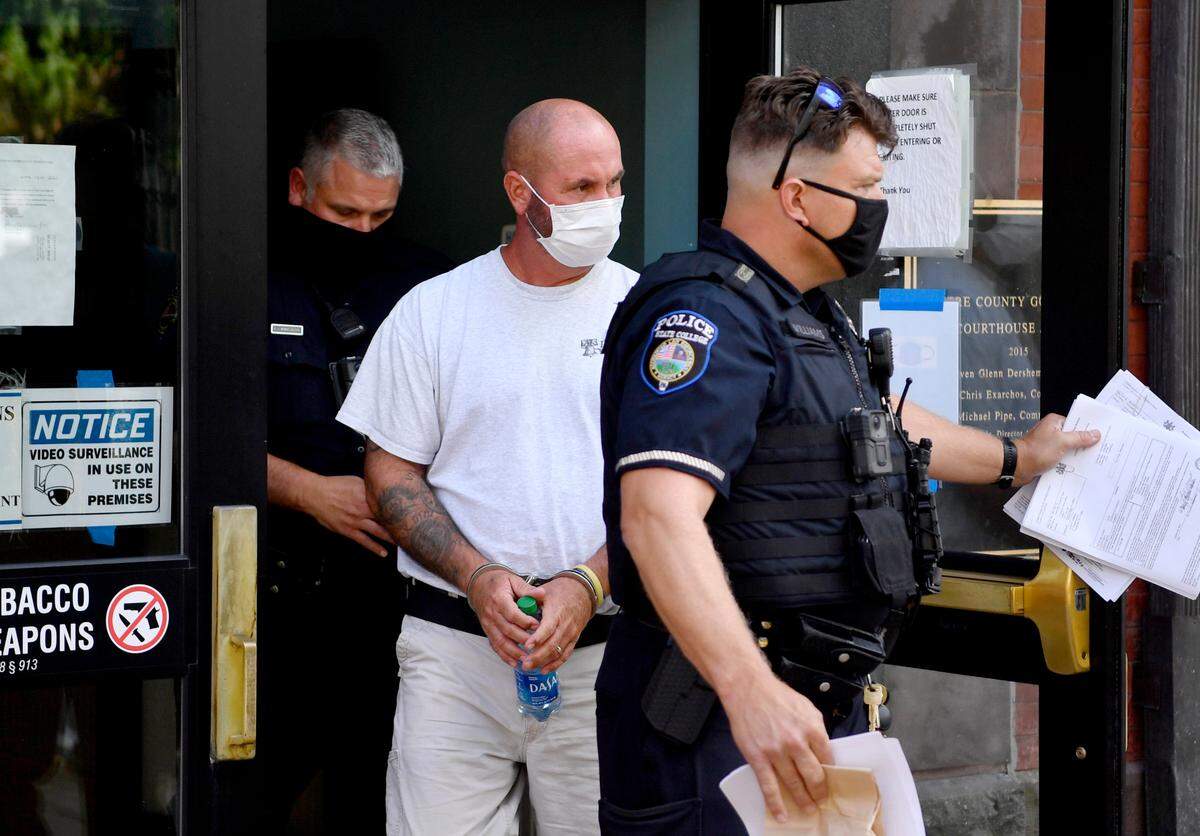
Detectives zeroed in on Williams once they retrieved utensils discarded by his son at a high school football banquet. They also rummaged through Williams’ trash and found bottles that contained his saliva.
DNA from those bottles matched the DNA from the rape kits.
The appeals court upheld Centre County Judge Brian Marshall’s finding that Williams had no objectively reasonable expectation of privacy once he voluntarily abandoned the spit bottles in trash bags left for a private, third-party waste management company. He also could not establish an expectation of privacy in another person’s DNA sample.
“We find Appellant’s alleged expectation of privacy in trash he voluntarily discarded for pickup by a third-party collection company is not one that society is prepared to accept as reasonable,” President Judge Emeritus Correale F. Stevens wrote on behalf of the panel.
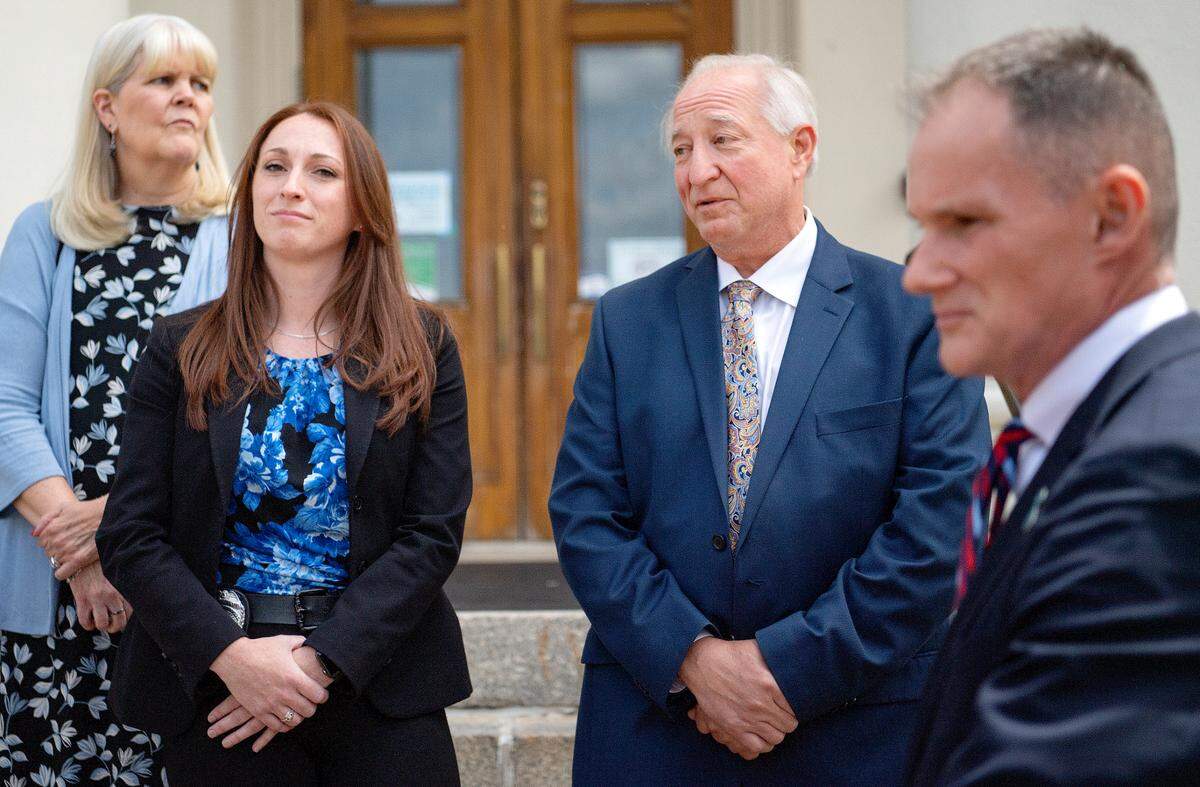
McGraw said the February 2024 verdict was the culmination of the most “dedicated, capable and creative police work” he’d seen in his career that spanned more than 25 years. He also said the attack was one of the most “violent episodes” he’d seen.
Passersby found the woman bloodied and disrobed from the waist down. She was treated for multiple head injuries, some of which were so severe she suffered minor brain damage. At least three metal plates were implanted in her face.
Williams spoke with investigators after his arrest, telling them he would go to State College bars about every other weekend. He repeatedly told police he did not “remember doing any of this.”
“I’ve told you 10, 12 times, I do not remember this. ... Maybe I was blackout drunk. I don’t know,” Williams said. “I don’t remember this. ... If I did, I’m telling you, I would tell you. This is not, excuse me, this is not me.”
His trial lawyers sought to have evidence tossed or suppressed, but were turned away in crucial pretrial rulings from Marshall.
The woman he was convicted of beating and raping confronted him during his March 2024 sentencing in a packed Centre County courtroom. Her tone remained steady when she described the physical and emotional scars she continues to live with, including panic attacks and feelings of anxiety when she’s alone with men or in large crowds.
She occasionally glanced up from her prepared statement and even addressed Williams by name, but he didn’t appear to look in her direction.
“I’ve asked God numerous times why this happened to me. I was angry because (of) missing out on the end of a monumental chapter of my life, missing out on celebrating with my family and friends my accomplishment I had worked so hard for,” she said, alluding to her Penn State graduation. “Over the years, I made my peace with God. I feel if there was another woman in the area that night that this could have happened to her. I feel I was the one because God knew I could handle it. He knew I was strong enough to overcome this horrible event and come out even stronger on the other side.”
Williams declined to offer a statement before his sentence was handed down.
Nearly two dozen people wrote a letter in support of Williams, many of whom described him as a hardworking father of two boys. Defense lawyer Barbara Zemlock attempted to juxtapose Williams’ conduct for much of his adult life against the “violent, horrific, and heinous” crimes for which he was convicted. He was 23 at the time of the attack.
Others painted a far less glowing picture of Williams.
Several said he had a temper, including a woman who said he had a “short fuse,” with another saying he “intimidates women.” A man who knew Williams from high school described him as “real cocky, real arrogant.” Another woman said he was “super manipulative” and a “pathological liar.”
Williams is incarcerated at Forest state prison in northwestern Pennsylvania.
“I couldn’t wait for this day for several reasons, but mainly I wanted you to see me. I wanted you to see that you didn’t break me,” the woman said during his sentencing. “I had thought about for almost 29 years what I would put into this statement when given a chance. All the anxiety, stress and anger over the past year and the increasing emotions since your arrest is all worth it for this moment, waiting to see what your life will be after this.
“One thing I know: You, Scott, from this point on will be known as a rapist and that will follow you until the day you die. I have been — and will continue to be — known as a survivor and that will follow me until the day I die.”
This story was originally published July 24, 2025 at 6:49 PM.