Philipsburg-Osceola audit highlights internal control deficiencies, financial concerns
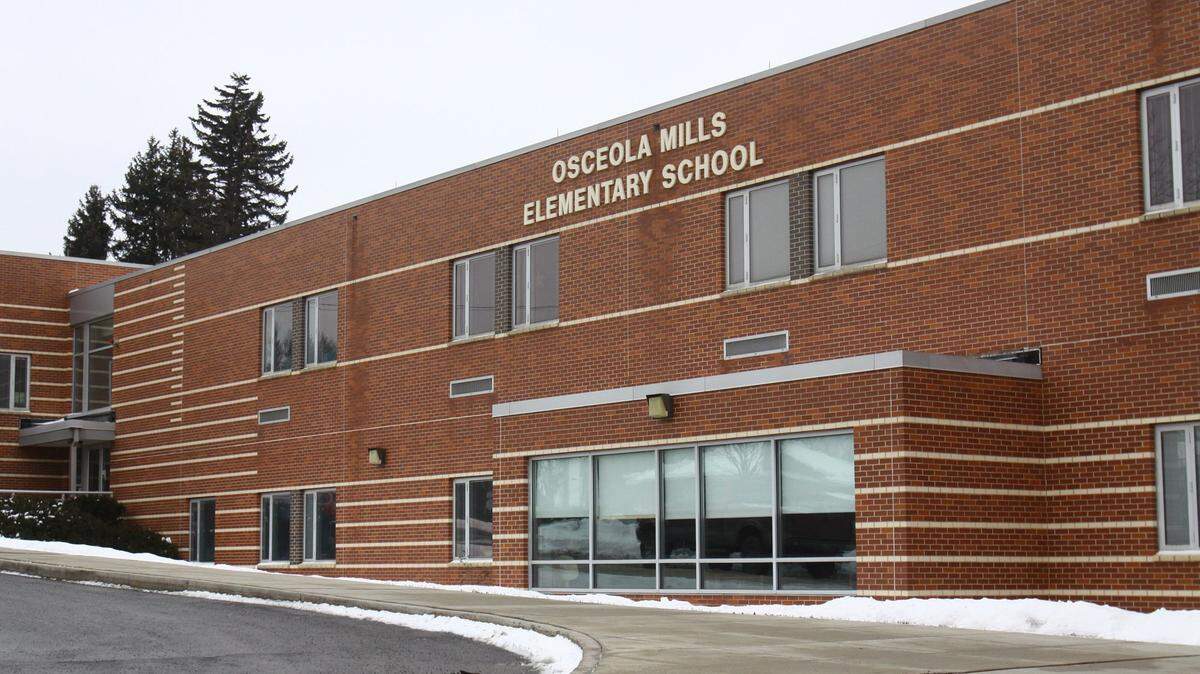
An audit of the Philipsburg-Osceola Area School District by the state’s auditor general found areas of noncompliance and “significant internal control deficiencies” in areas of transportation operations, construction project reimbursements and health service reimbursements. Additionally, it showed the district failed to follow best practices in financial stability.
The 44-page performance audit covers a period from July 1, 2015 through June 30, 2019 and found the district failed to file for state reimbursements totaling $572,583 for costs associated with major construction projects.
“School districts that lack internal controls — a problem our auditors see too often — may end up receiving too much or too little state funding,” Auditor General Timothy L. DeFoor wrote last week in a press release. “Without this audit, the school district may never had realized it made a sizeable mistake that could have saddled local taxpayers with unnecessary costs.”
The audit also noted concerns about the district’s financial position, which declined significantly during the review period, a release stated. The district’s expenditures outpaced its revenue and it transferred more than $5 million from its general fund to pay to build a stadium that was unbudgeted. Those transfers “significantly depleted” its general fund balance.
Significant decrease in general fund balance
One of the four findings of the audit showed the district’s general fund balance “decreased significantly” over the five-year period. The district had a surplus in the 2015-16 fiscal year but experienced operating deficits for the next four.
“Those deficits led to the more than $5 million decrease in the general fund balance from a high of $8.9 million as of June 30, 2016 to just $3.6 million as of June 30, 2020,” the audit states.
For the period reviewed, the district had a cumulative deficit of more than $4 million, the audit showed. The district’s total operating expenditures increased by more than $6 million between the 2015-16 fiscal year and the 2019-20 fiscal year, while the total revenue increased by less than $2 million. The expenditures increase can mostly be attributed to an increase in instructional expenditures.
Included in the audit was a response from the district management, which said it agreed with the recommendation to prepare multi-year budgets and highlighted other steps it has taken.
“The District increased its local real estate tax rates to increase its local share of revenues for the 2021-22 fiscal year. The preliminary 2020-21 fiscal year results appear to have a surplus. The District will continue to maximize their revenue through timely submissions with the State to receive and recognize its state share of revenues. The District is also utilizing the Federal ESSER grant funds to supplant applicable current expenses,” the district’s response stated.
Thousands of dollars in overpayment to district
A second finding showed that because the district failed to implement adequate internal controls over the input, calculation and reporting of regular transportation data, there was a net $28,583 overpayment to the district.
Guidelines from the Pennsylvania Department of Education state that districts are required to report the number of miles per day that each vehicle travels with and without students. Districts also report the number of students assigned to each vehicle and the number of days each vehicle transported students, according to the guidelines.
The audit found the P-O school district didn’t report 13 vehicles used to transport students in three different school years (2015-16, 2016-17 and 2017-18).
“The failure to report the vehicles led to the District underreporting the number of miles traveled, days in service, and number of students transported during these school years. The failure to report the vehicles along with the key data elements resulted in the District not receiving the full transportation reimbursement it was eligible to receive during these school years,” the audit states.
Then, in the 2018-19 school year, it made a “systemic reporting error” for 43 of its 50 vehicles that transport students. Due to a mileage data entry error, the district overreported the number of miles traveled to transport students.
Other minor reporting errors were noted, as well.
“The multiple transportation data reporting errors we identified in this finding that resulted in over/under payments, along with the District’s explanations for the cause of the errors, highlight the need for strong internal controls over the transportation data reporting process,” the audit states.
The district agreed to follow the audit’s recommendations, which includes developing and implementing an internal control system over its regular transportation data reporting process, including training for employees involved in the data reporting.
Construction project reimbursement costs delayed
The audit found that because the district failed the implement “adequate internal controls,” it failed to apply for $572,583 in reimbursements from PDE for approved construction projects. Additionally, it failed to file other applications in a timely manner, so there was a delay in receiving revenues of $460,052.
The audit states the district issued a bond and proceeds were used for a district construction project; the principal and interest payments made by the district related to the bond were partially reimbursable by the state. Cash was used for a different project and that payment was partially reimbursable. Both projects were in 2015. In March 2021, the district hadn’t applied for reimbursement totaling $572,583, the audit states.
“Due to a lack of oversight, District officials were unaware that the applications for reimbursement were never completed and submitted to PDE. After we brought this issue to a District official’s attention, the District filed the necessary applications and subsequently received the reimbursements in June 2021. Without our audit, the District may have never received more than half a million dollars it was eligible to receive,” the audit states.
For two other bonds, the district did not submit applications for reimbursement in a timely fashion. The audit states that due to “turnover at the district,” officials couldn’t determine the date when PDE confirmed the bonds were eligible for reimbursement. It’s unclear how long the revenue was delayed.
To address reimbursement issues, the district agreed with the audit’s recommendations, which include having written procedures for filing for PDE reimbursements and ensuring the duties don’t all fall on one employee. The district will submit final cost data to PDE for the two projects so it can receive permanent reimbursement. Employees who apply for such reimbursements will also be trained on guidelines and requirements.
Student health data was underreported
The audit found that the district didn’t implement “adequate internal controls” which resulted in the district underreporting student data to the Department of Health. This led to the district receiving $11,834 less than it was entitled to receive for its health services reimbursement for the 2015-16 school year.
Districts that provide health services to students are required to report annual health services costs and the district’s annual “average daily membership” to the DOH.
The audit found that in the 2015-16 school year, the district reported an incorrect average daily membership, so its reimbursement amount was negatively impacted by more than $11,000.
The former business manager was responsible for compiling and entering the data and the superintendent was responsible for reporting the data to DOH. The audit states the superintendent didn’t review the data before it was submitted.
Additionally, the district wasn’t timely in submitting its 2014-15 School Health Annual Reimbursement Request System report to the DOH, the audit found. That results in delayed reimbursements which may impact financial operations.
The district agreed to implement the audit recommendations.