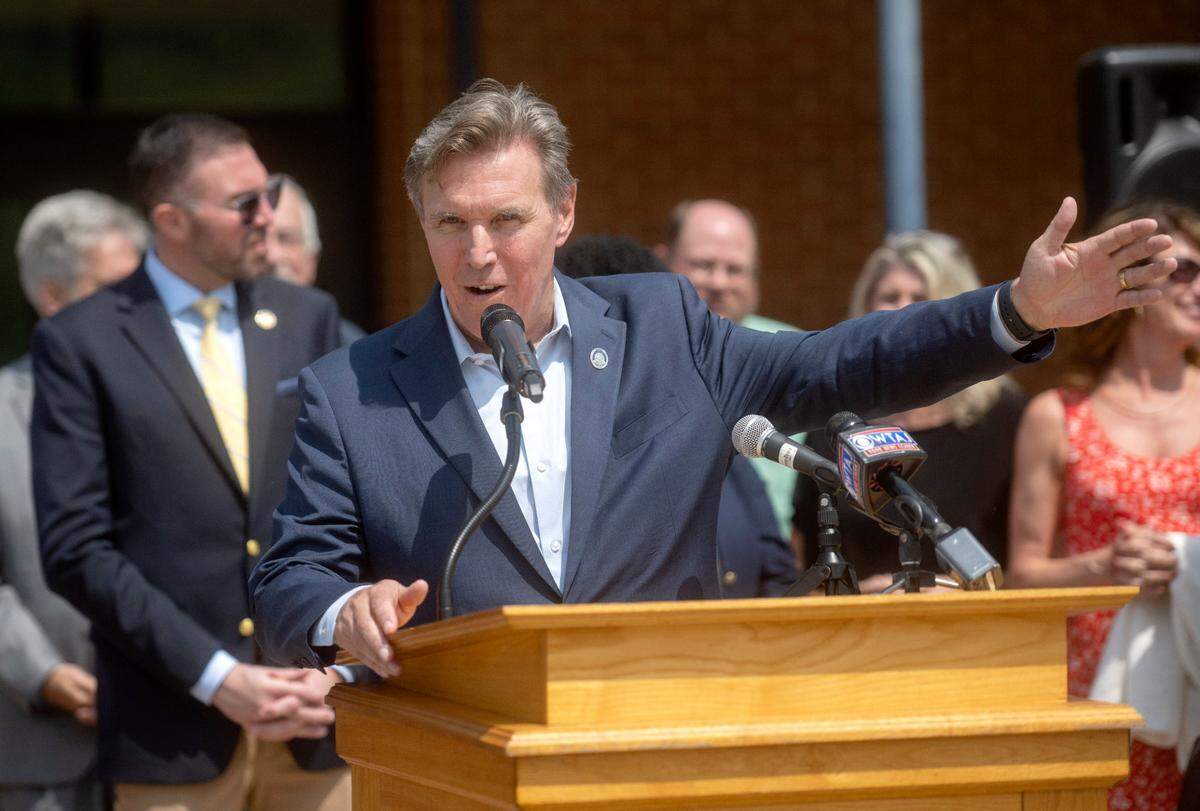
‘We need to do better.’ State reps. visit Centre County educators to discuss rural issues
More than a dozen members of the Pennsylvania House of Representatives met with central Pennsylvania educators and administrators on Wednesday to discuss issues plaguing rural schools.
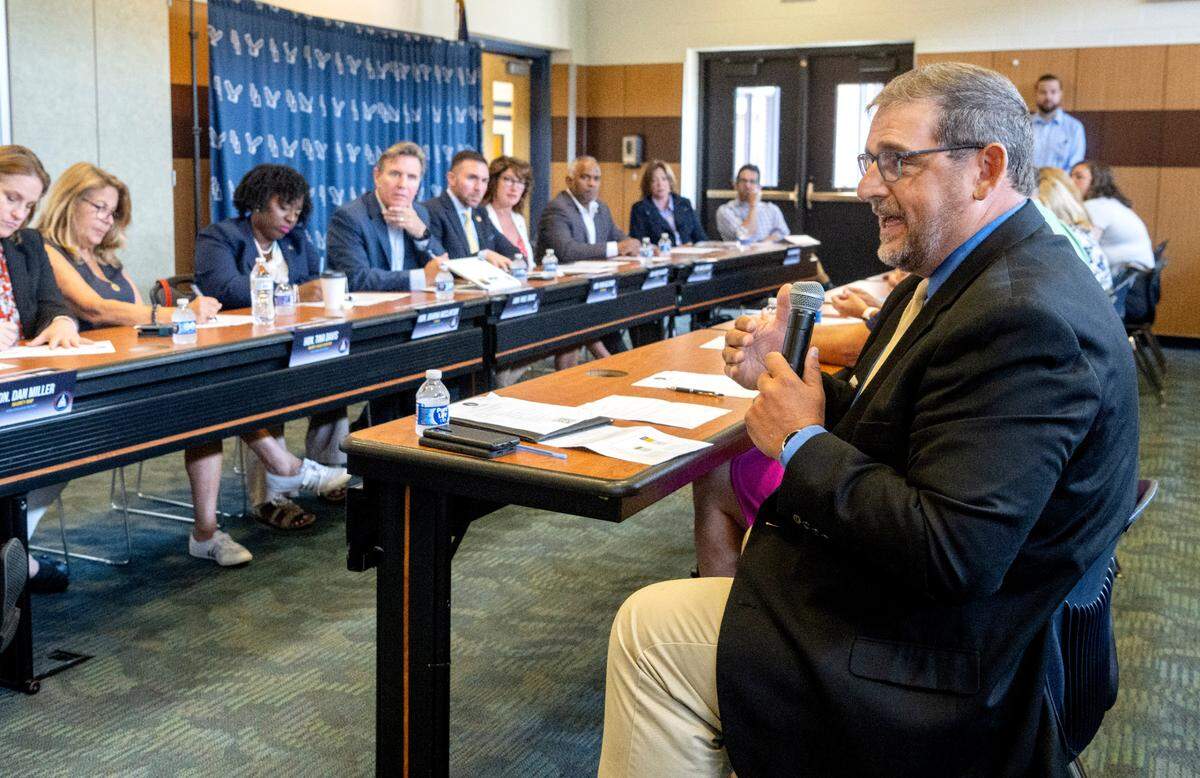
During a discussion at Bald Eagle Area High School, administrators from Forest Area, Keystone and Bald Eagle Area school districts gave testimonies and answered questions about the issues facing their students and communities. Educators cited charter costs, poverty, student homelessness, barriers to AP classes and regulations around career and technical education programs. Other area superintendents and board members attended the event, including Bellefonte Area superintendent Tammie Burnaford and State College Area board president Jackie Huff.
The visit was part of a statewide Save Our Schools tour by the House Majority Leadership and the Majority Policy Committee. The Democratic Representatives who attended the event included Speaker of the House Joanna McClinton, D-Philadelphia, Rep. Paul Takac, D-College Township and Rep. Scott Conklin, D-Rush Township.
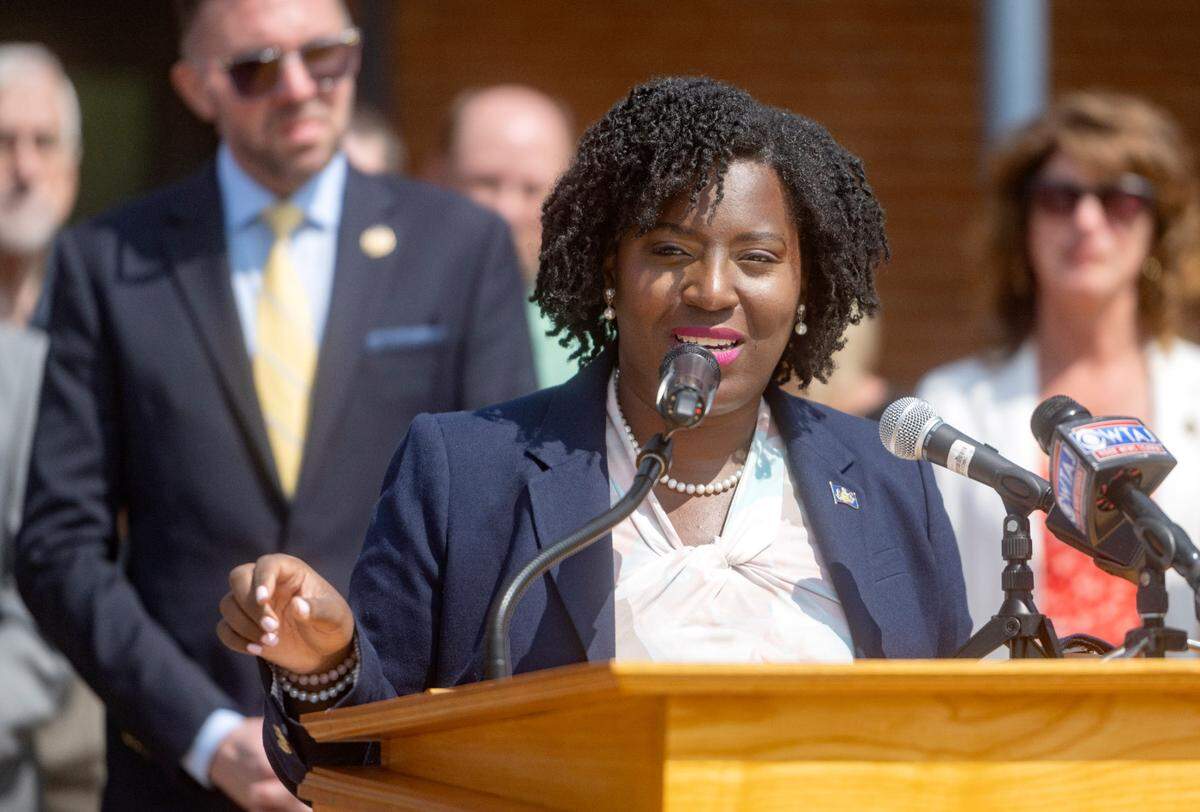
During the roundtable, several educators spoke about the rising enrollment in career and technical education programs and the lack of instructors. Jacquelyn Martin, superintendent of the Keystone School District, said state regulations are often a barrier to hiring CTE instructors, who may have years of experience in their field but are required to complete a three-year workplace education program before becoming certified. CTE instructors can teach with an emergency certification but only while enrolled in a workplace education program.
“The world around us and workforce needs have changed dramatically,” Martin said. “The laws and regulations governing CTE are inadequate. Now is the time to advocate for 21st century funding laws and regulations.”
CTE is not the only area in which rural schools are struggling to fill positions. Burnaford said teaching and support staff positions can go unfilled in Bellefonte for months with little to no applicants, a sentiment echoed by many of the administrators present.
“There’s no applicants and I think it’s hitting every industry — restaurants are closed all the time,” Burnaford said. “So I don’t think we’re unique in education but it’s a real problem.”
Although rural schools can pose unique challenges, several of the representatives from suburban or urban districts found common ground with rural administrators facing issues of student homelessness, poverty levels and food insecurity. James Orichosky, director of elementary education and principal of Bald Eagle Area’s Wingate Elementary, spoke about the importance of universal free meals and universal access to preschool in rural areas.
“We are putting our people behind before they even walk in and are able to walk through the door,” Orichosky said. “We know the results of a great preschool, we know the step up that gives them and so that is a huge part of what we want to see happen.”
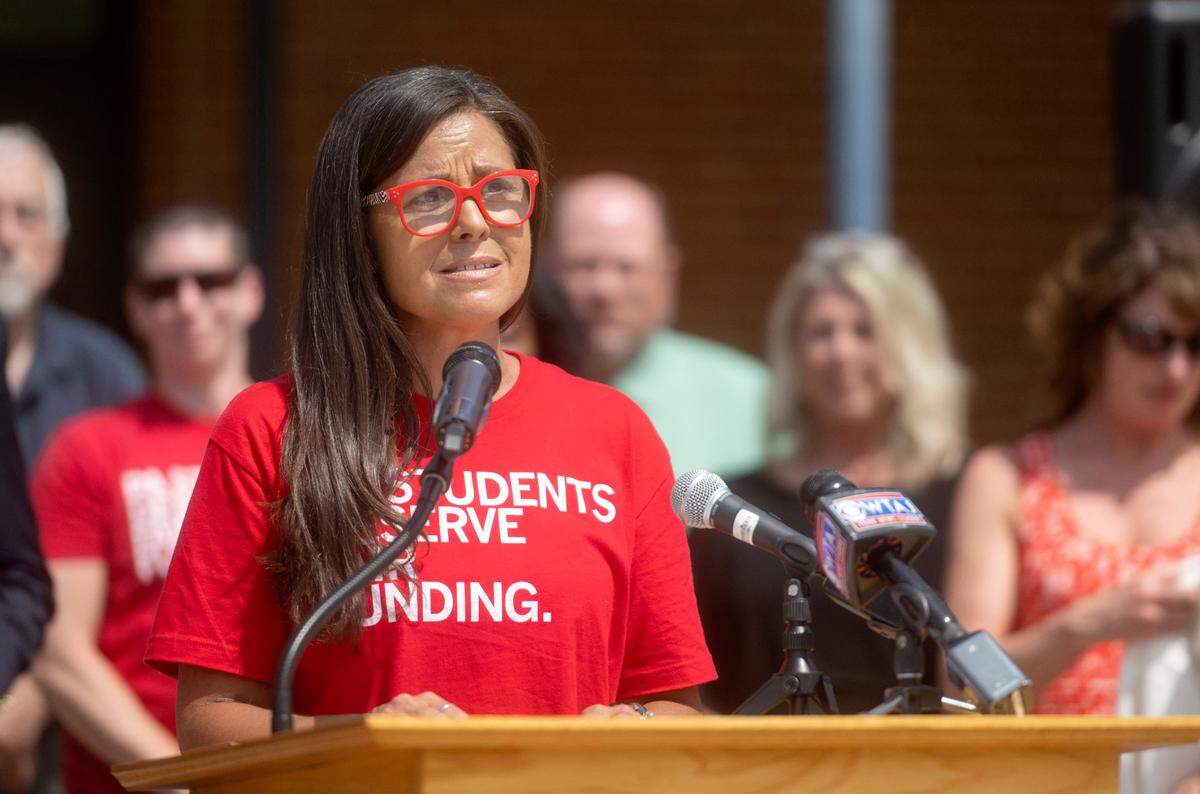
Many educators also spoke about fair funding and charter reform in response to a February ruling that found that Pennsylvania’s funding system was unconstitutional. Several members of the audience were in shirts supporting the fight for a better funding system.
Following the roundtable, representatives and educators held a public rally outside the high school, reaffirming the testimonies and issues covered at the roundtable. After the rally, Takac said the Representatives would use the comments and testimonies to help address issues in both education funding and policy in the future.
“I think many times, rural schools and communities feel overlooked and not made important, but I think what today showed is that every student in Pennsylvania matters,” Takac said. “It doesn’t matter if it’s an urban setting or a suburban or rural setting. We need to do better on behalf of all of our students.”
The Bald Eagle Area visit was the Policy Committee’s third event event in the statewide tour visiting schools across the commonwealth.