State College school board looks to conduct external review after teen’s suicide
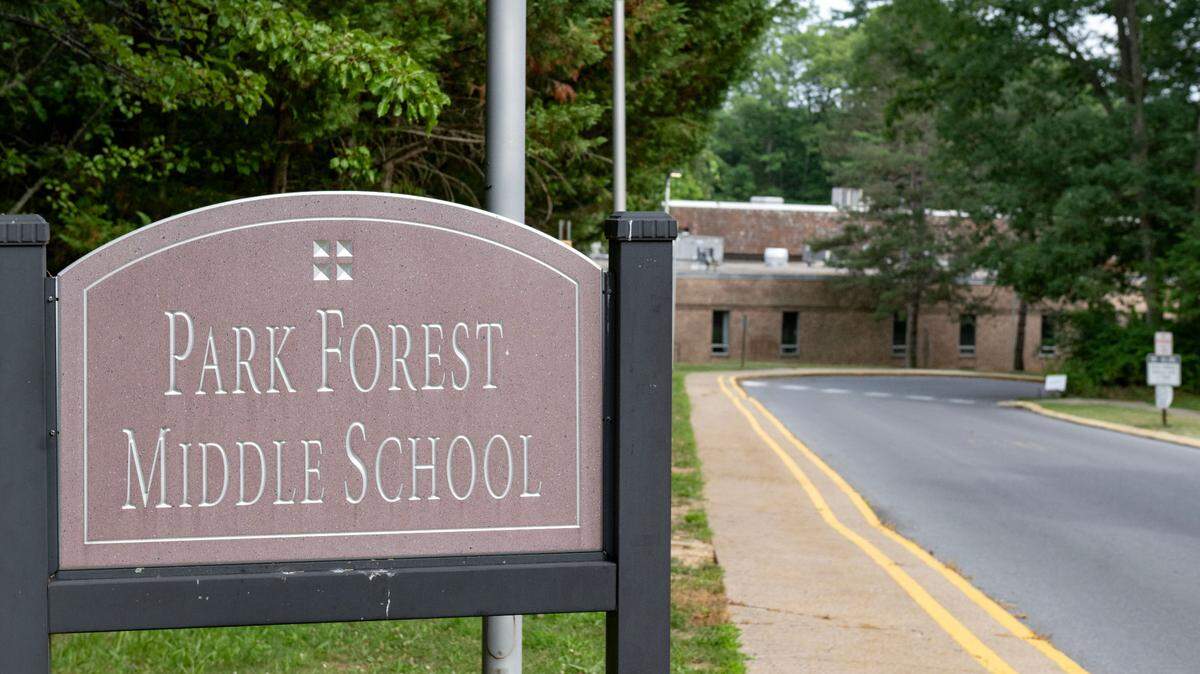
Months after the death of State College middle school student, the district is looking for an external review of its policies and procedures surrounding mental health and bullying after a push from community members.
Fourteen-year-old Abby Smith, an eighth-grade student, longtime Girl Scout and member of the school’s band, died by suicide on May 12. Following her death, rumors of bullying spread throughout the State College Area School District, prompting several current and former students to come forward about their own experiences with bullying at the school.
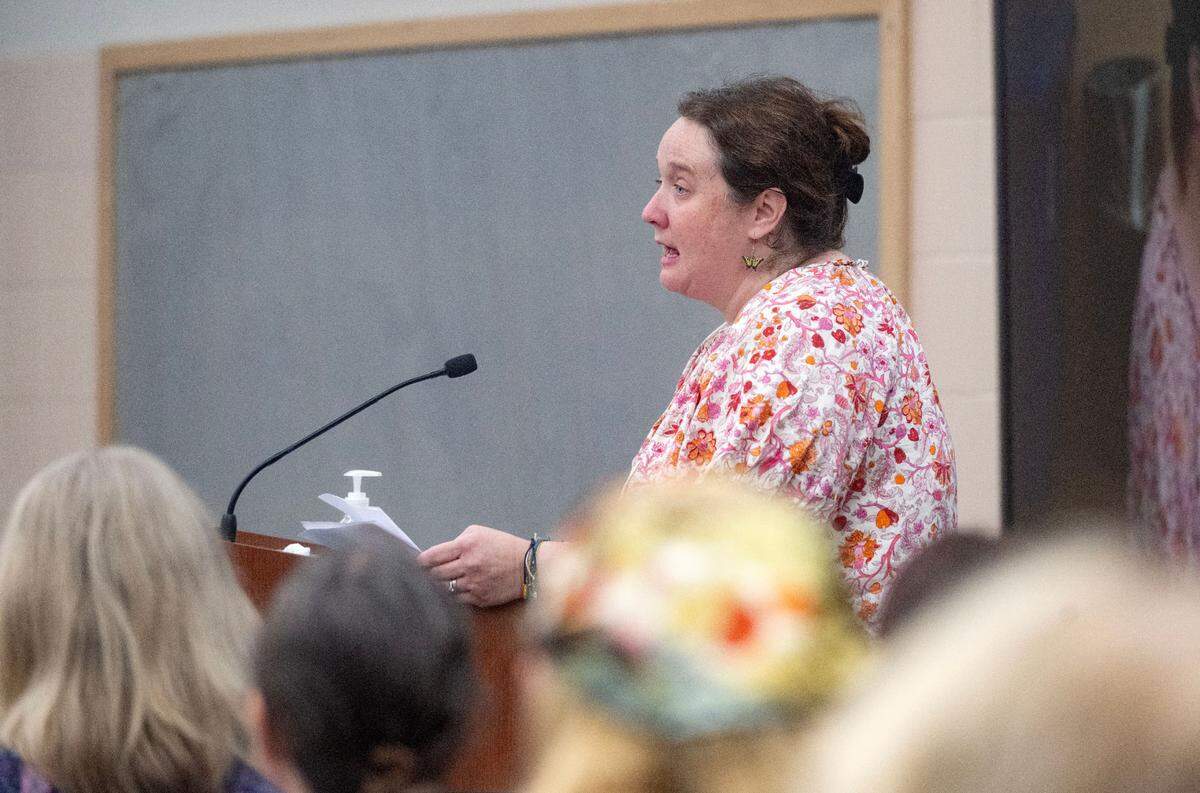
In the months that followed, community members — including Abby’s parents — have questioned the district’s policies and procedures surrounding bullying, mental health and parent communication. During an Aug. 19 school board meeting, her mother Jennifer Black gave a 19-minute public comment in which she called for increased transparency and an external review of the district.
Black returned on Monday night to hear the board’s Culture, Climate and Learning Committee give an overview of ongoing discussions surrounding mental health support and the district’s response in the weeks and months following Abby’s death. In the overview, the district wrote it would support an external review of mental health services and programs, but Superintendent Curtis Johnson said that finding an organization to conduct a review had been difficult.
“Some focus on suicide, not so much bullying, or focuses on suicide, not so much the mental health supports or focuses on both postventions or just creating the toolkit,” Johnson said. “So there’s various different expertise in various different things. So finding one organization that encapsulates it all is challenging.”
The focus of an external review would assess:
- the quality of mental health systems and supports
- the structure of multi-tiered support systems and social-emotional curriculum
- community conversations surrounding youth mental health
- postvention activities and resources
- board policies around school-based mental health, including suicide awareness and bullying/cyberbullying
In an interview last week with the CDT, Black said internal reviews by the district were not enough and that an objective, independent investigation was needed.
“No one likes to be shown where there are holes and where things need to be fixed,” she said. “But in a district where a growth mindset is so important, you can’t just rely on your own set of eyes, no matter how well-meaning and well-intentioned.”
The CDT filed a Right-to-Know request in August for any records involving an internal investigation or review but was denied by the district.
Despite challenges in initiating an external review, Johnson said Monday the district had not given up and had “a laundry list” of organizations to contact. Although a timeline for the external review has not been established, Johnson told the CDT he was looking to meet with people or organizations as soon as possible and hopes that a review could appear on an October board agenda.
Several board members supported the process of going through several external reviews if the district could not find a person or organization to conduct one that would accomplish all district goals.
“I’m not sure that there’s only one organization that would do that, so I’m open to adding an ‘S’ to the end of review and say we might need to do more than one,” board member Aaron Miller said. “Because there’s not going to be there may not be one organization that focuses on all of this.”
Additionally, the overview discussed Monday floated the possibility of a Mental Health Community Advisory Committee should the district be unable to find an organization to conduct an external review. The committee would include parents, district staff, district-associated mental health providers and outside mental health experts. The committee was also discussed as a second step to address any issues found by an external review.
The board memo also acknowledged a miscommunication between the district and Abby’s family. In the days after Abby’s death, the district sent out an email saying the family was not aware of her being bullied and did not believe it was related to her death by suicide.
Black had to push for the district to issue a correction.
“Our recent efforts in this area were well-intended, but we recognize, upon reflection, that we could have better served the needs of the family and our school community,” the board memo said.
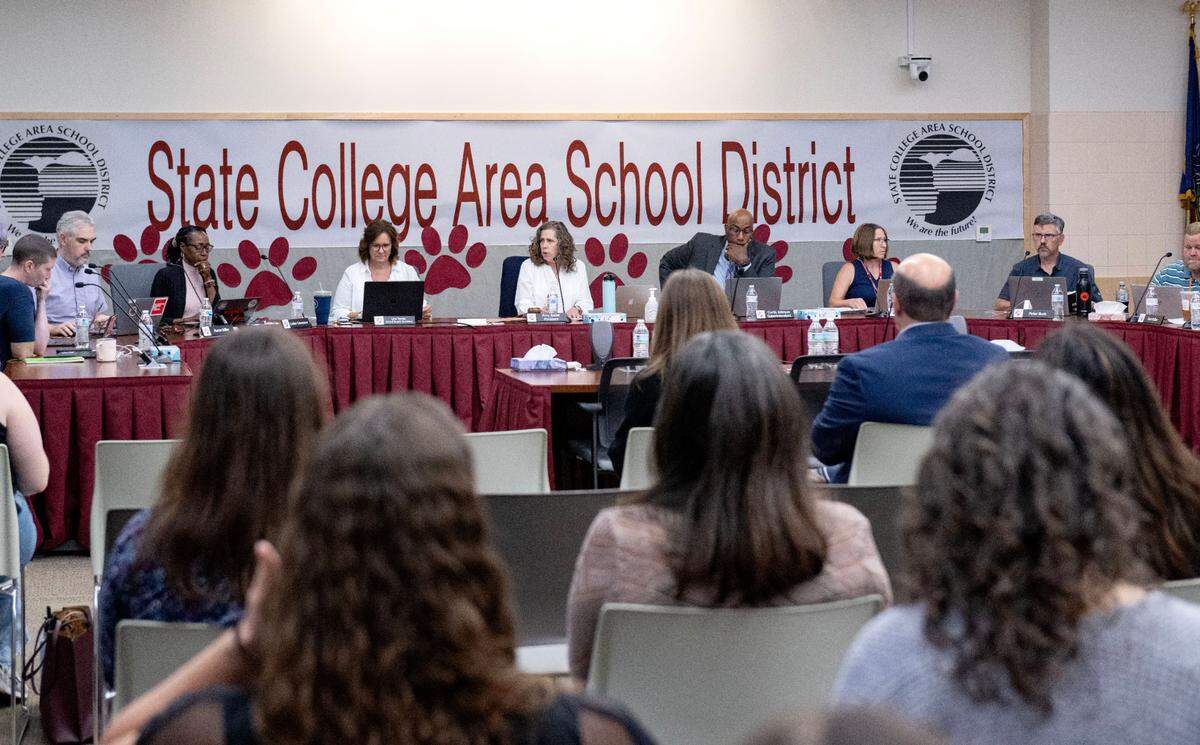
Nearly an hour of public comment was held in total throughout the meeting, nearly all in support of Abby’s family, calling for increased communication between the district and families when dealing with mental health issues and an external review.
During the board meeting, Black spoke twice during public comment. She called for increased transparency for families and said both students and staff members fear taking their concerns to the board or administration.
“We need to take a look at our culture and not just at the building level, but at the district-wide level as well,” Black said.
While Black said she was extremely happy with the support for the external review — especially the multi-pronged approach — she was disappointed in the district’s focus on communicating preexisting programs. The problem isn’t in the lack of awareness of the district’s resources, Black said, but the lack of communication between parents and the district.
She said her family was not ill-informed of the district’s many mental health support systems and had used them in the past for her other children, but was lacking necessary information about Abby’s struggles at school and visits to the counselors.
“We need to look at what went wrong and add more resources if we can find better ways of doing it,” she told the CDT during the meeting, fighting back tears. “But you can’t gloss over the fact that something went wrong and it didn’t work, and my child is no longer here because of that.”
The State College Area school board’s next meeting is Sept. 24.