
Bellefonte will close these two elementary schools once new building opens. What to know
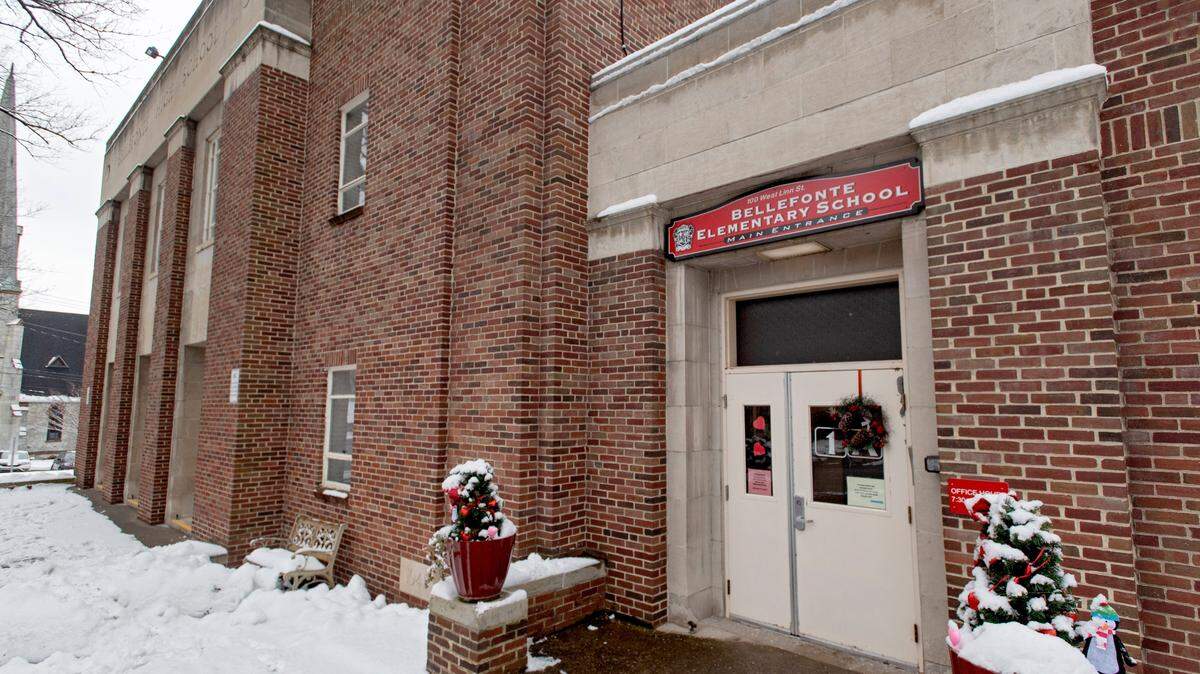
As construction continues on its new elementary school, the Bellefonte Area School District is finalizing plans to close a pair of existing schools.
In front of dozens of community members who attended the district’s Tuesday night school board meeting, board members voted 6-3 to eventually close Bellefonte Elementary School and Benner Elementary School. The long-awaited decision, spurred by the district’s work on a new $55.3 million elementary school, arrived following a lengthy series of required meetings, studies and hearings.
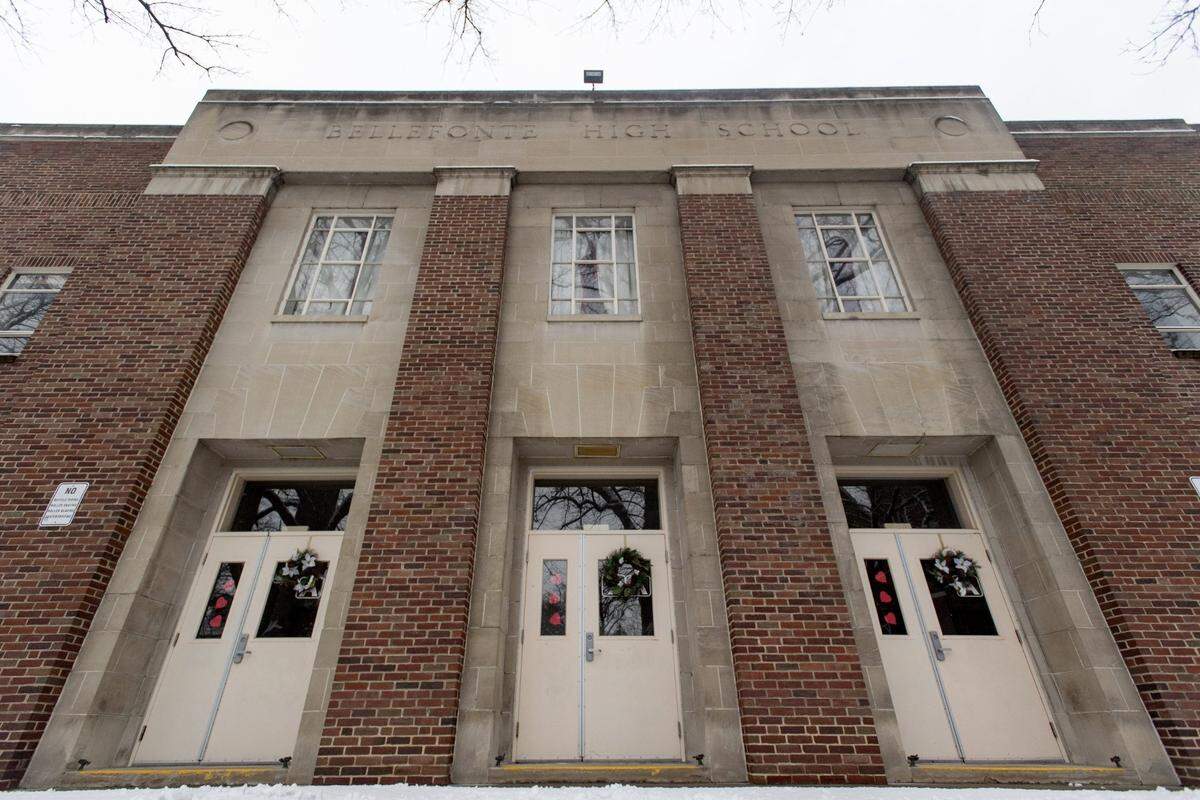
Bellefonte and Benner elementary schools will close at the conclusion of the 2025-26 school year, Superintendent Roy Rakszawski confirmed in a Jan. 23 statement. The courses coincide with the anticipated 2026 opening of Bellefonte’s new elementary school, which his under construction behind the high school.
Jon Guizar, the school board president, said the board will discuss additional details and form future plans, including how the closures will change students’ assigned schools, at a later date.
“I cannot guarantee, 100%, that we’re going to make the right decision,” board member Jennifer Barnhart said during discussion before voting. “But I can guarantee — and I will not speak for anyone else, though I feel very confident I could — that we will 100% guarantee that we will try and make the best, whether it’s holding accountability to our administrators, to the people doing the work on the different things like looking for grants and the best bonds, whatever it may be. The commitment does not end with this decision.”
Board members offered their opinions on the district’s four existing elementary schools during a wide-ranging discussion lasting more than 80 minutes Tuesday evening. Despite expressing sentimentality for each school, the board unanimously agreed Bellefonte Elementary — the district’s oldest school — should close, as it was strongly expected to cease operations due to its long list of required and expensive repairs. Board members also agreed Marion Walker Elementary School, renovated in 2007, should remain open.
Most of the discussion centered on whether to also close Pleasant Gap Elementary School or Benner Elementary, which require renovations and site upgrades to nearly the same extent. Board member Donna Smith, who lives within walking distance of Benner Elementary and saw her children and grandchildren study there, said closing the school would be difficult but necessary.
“My heart is with keeping Benner [Elementary], but, as my responsibility is to what’s the best interest of the district, I would put that aside and say it’s in the best interest of the district to close Benner and renovate or expand Pleasant Gap [Elementary],” Smith said during discussion.
Room for renovations at Pleasant Gap Elementary was a key factor behind its survival. The school sits on a roughly 25-acre plot with capacity for expansion in the future, board members said. January enrollment figures showed Pleasant Gap Elementary had 215 students enrolled with an estimated capacity for 264, while Benner Elementary had 253 students enrolled with room for just 11 more. Those capacity estimates come from an October 2016 study produced by Crabtree, Rohrbaugh & Associates Architects on behalf of the district.
Board member Jack Bechdel, who voted against the school closure resolution alongside Patrick Buck and Nate Campbell, took issue with using years-old data points to inform decisions that will impact students and families moving forward.
“We’re basing all of our decisions on old data,” Bechdel said during discussion. “To base everything on capacity right now is absolutely wrong, because we always said who is going where is up to the [administration]. We’re not going to be drawing lines here. That’s up to the administration. Basing things on capacity is wrong in that respect.”
What renovations are needed at the elementary schools?
A great deal of the evening’s discussion on elementary school closures focused on the current state of each school’s facilities and their needed repairs, largely fueled by studies conducted by SiteLogIQ, the district’s construction management firm. The schools were evaluated on facility condition index scores ranging from 0 to 100%, with a higher score representing the most dire need of renovations or closure, as calculated by dividing the cost of repairs by the cost of replacing the building entirely.
The firm also offered a number between 1 and 100 rating the severity and potential cost of repairs. A higher SiteLogIQ score indicates more renovations or repairs are needed.
In that study, Bellefonte Area School District’s elementary schools received the following scores:
Bellefonte Elementary — 86.1% FCI score and 99 SiteLogIQ
Benner Elementary — 77.4% FCI score and 89 SiteLogIQ
Pleasant Gap Elementary — 72.2% FCI score and 83 SiteLogIQ
Marion Walker Elementary — 27.8% FCI score and 32 SiteLogIQ
Bellefonte Elementary would require significant upgrades to meet Americans with Disability Act standards, plus new HVAC systems, plumbing, sewer and electrical upgrades, extensive foundation and masonry work, a new fire suppression system, compliant fire alarms and more. Previous estimates suggested maintaining the building, which was last renovated in the 1960s, would cost between $18 and $23 million, while building new on the site would run at least $32 million. The district’s efforts to fund and construct a new elementary school began, at least in part, due to Bellefonte Elementary’s structural failings and mounting costs.
Benner Elementary, which needs substantial ADA-compliant upgrades and improved fire suppression and HVAC systems, would require between $6.1 and $7.2 million in long-term maintenance over the next decade, the study concluded. New construction on its site would fetch at least $10 million.
SiteLogIQ’s study concluded Pleasant Gap Elementary would require improvement to its driveways, parking lots and walkways, plus new railing systems and plumbing upgrades. Total repair costs would cost between $1.3 and $1.7 million, but building new on the site could cost the district nearly $20 million.
Marion Walker Elementary is in the best shape of the four schools and requires only minor changes to meet ADA standards, plus some other upgrades. Proposed site improvements include the addition of a gymnasium and the removal of modular classrooms. Long-term maintenance costs would range between $9 and $10 million, with a total rebuild requiring at least $14 million.
What happens next?
After approving plans to close Benner and Bellefonte elementary schools, the district will now turn its attention to forming plans for students affected by their closures. Construction on the new school is expected to finish in the summer of 2026, according to the project’s approved timeline.
Shortly before adjourning Tuesday’s meeting, Guizar expressed interest in exploring options and hearing recommendations for the future of Pleasant Gap Elementary, including potential renovations.
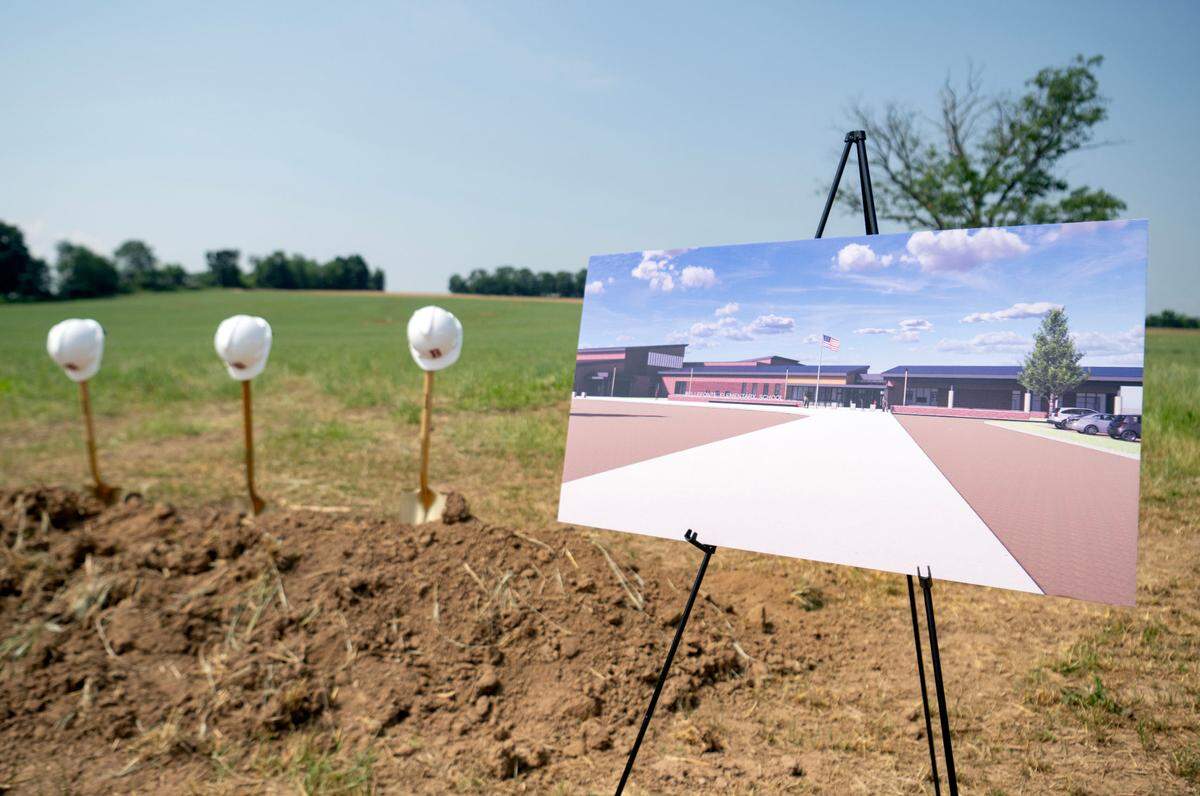
The district’s new elementary school will span 98,000 square feet and accommodate around 750 students. Key features include outdoor learning spaces, a STEM lab and a media center. Proposed site plans for the project showed room for athletic fields on the 107.6-acre property behind Bellefonte Area High School.
In compliance with its code, the district will hold additional hearings to determine the future purpose of any closed school buildings.
The school board’s next public meeting is scheduled for 7 p.m. Tuesday, Feb. 4, inside Bellefonte Area Middle School’s cafeteria. Though the public can’t attend remotely, the C-Net will record the meeting and post it online.
This story was originally published January 22, 2025 at 11:38 AM.
%202.JPG)