
Trump releases frozen funds after Centre County districts braced for shortfall
AI-generated summary reviewed by our newsroom.
- Trump administration ends funding freeze to release $230M to Pennsylvania schools.
- Centre County districts faced six-figure shortfalls before the reversal of the freeze.
- District officials warned shortfalls could force tough decisions for budgets and programs.
Millions in federal education funds are expected to return to Pennsylvania school districts after the Trump administration reportedly agreed to end an illegal funding freeze.
Roughly $230 million will head back to Pennsylvania schools, Governor Joshua Shapiro wrote in a post on X Friday. The Keystone State joined 23 other states in challenging the funding freeze in federal court last week to release billions of dollars that would benefit professional development programs for teachers, support for English language learners and before- and after-school programs.
“We sued the Trump Administration and now the Department of Education has told us that every dollar of the $230 million unlawfully withheld from Pennsylvania schools will be returned to us — critical funds that school districts rely on to meet their budgets, train teachers, provide afterschool programs and more,” Shapiro wrote online.
The U.S. Department of Education said it would start sending funds back to states this week, the New York Times reported. The agency has not yet made an official announcement.
The White House’s planned release of $5.5 billion in frozen education funds came roughly a week after it said it would unfreeze an additional $1.3 billion in federal funding for after-school programming. Administration officials notified states on June 30 that it would not release the already-approved funding as scheduled so the White House Office of Management and Budget could “review” the planned spending.
For Centre Centre schools, more than $450,000 was at stake. State College’s schools expected to lose nearly $275,000 in federal funding for the 2025-26 academic year, administrators said at July 21’s school board meeting.
The district said it received last-minute notice that the federal budget would not provide previously approved funding for several revenue categories, including educator training and recruitment, English language learning support and other student support needs. State College’s budget outlined expected revenues for these categories totaling $274,876 in federal funding.
State College’s administrators first received word federal funding would not arrive at around 7:30 p.m. on June 30, just hours before the district’s $211.5 million 2025-26 budget was due, assistant superintendent for elementary education Danielle Yoder said. Federal funding affected by the temporary freeze is usually available as soon as July 1.
The district’s 2025-26 budget included $250,000 in “contingency revenue” to help soften the blow of any revenue loss, administrators wrote in a memo. State College planned to use the budget’s surplus funding to maintain impacted programs if federal funding was not reinstated, but the district may need to “consider different programming choices” if federal funding is not available in the future.
Amy Bader, the school board president, said State College’s district would remain obligated to continue supporting mandated programming even if necessary funding doesn’t arrive from Washington or Harrisburg. Such a scenario may force administrators to find funding elsewhere in the district budget or reshape some school logistics, including implementing larger class sizes.
“I want to be clear for the community that when we lose these types of funds, it doesn’t just impact the students in those programs,” Bader said at July 21’s meeting. “Because when we lose that money, we have to find it somewhere else, and when we have to find it somewhere else, it impacts all students.”
“Losing these kinds of federal funds impacts all of our students and can most definitively impact our achievement when we have decreased resources,” Bader continued.
Superintendent Curtis Johnson said funding losses and other budgetary complications may have severe effects on districts across Pennsylvania and the U.S.
“We’re lucky that we have a contingency for this,” Johnson said at July 21’s meeting. “Many school districts — rural and urban — do not have contingency, nor do they have the funds. It’s going to affect them immensely. Some inner-city school districts are on the verge of collapsing and won’t be able to fund the basic necessities for their students. This is having immense impacts on our students across our country, I guess you would say.”
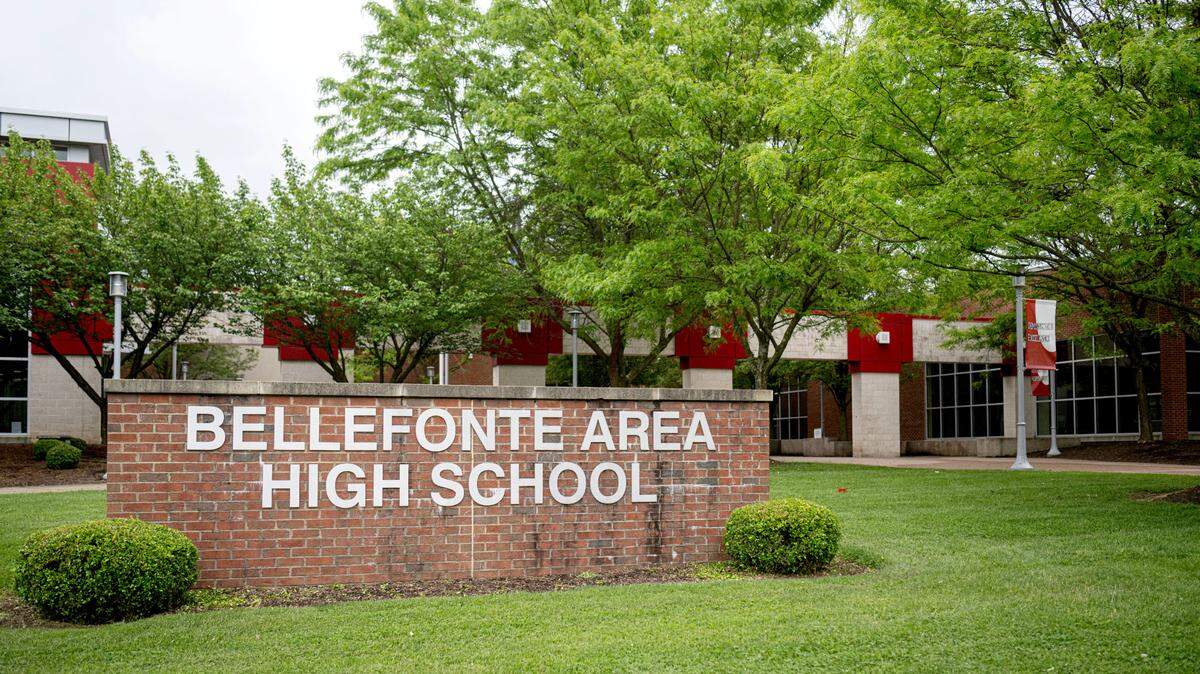
Delayed federal funding affected roughly $100,000 for Bellefonte’s district, according to director of fiscal affairs Ken Bean. He said the district “hedged its bets” with Pennsylvania’s overdue and still-under-development budget, noting that any additional funding from the state could help offset any gaps in federal or state funding.
“The unknown is the biggest challenge,” Bean said. “[Pennsylvania lawmakers] don’t pass the budget until after we have to pass ours. It’s always difficult when you’re making estimates on what you might get with funding. We tend to run a conservative budget, and whatever we get in excess of what we plan, we have that available for the following year.”
The Bellefonte Area School District approved a $65.2 million 2025-26 budget earlier this year that included roughly $605,000 in federal revenues. Funds from Washington make up just under 1% of the district’s budget.
“We get enough that it matters, don’t get me wrong,” Bean said. “But out of our overall $65 million-plus budget, I don’t get a whole lot from the federal government.”
The Philipsburg-Osceola Area School District, which is split between Centre and Clearfield counties, expected to lose roughly $84,000 in federal funding during the short-lived freeze, according to director of finance Thomas Martin.
Losing this budgeted federal funding would’ve directly impacted Philipsburg-Osceola’s $39.2 million 2025-26 budget, Martin said.
“The district did not have any funds built into its budget to account for potential lost revenue,” he wrote in an email.
The Bald Eagle Area School District expected to receive roughly $70,000 in federal dollars that were held up by the unexpected funding freeze.
Bald Eagle’s district planned to allocate those funds to offset wage and benefit costs for a teacher at Wingate Elementary School, which has the highest concentration of students who receive additional support in math and reading instruction, business manager Colette Tanner said in an email. She noted losing federal funding to cover that position would have impacted local taxpayers and required the district to use more local funds to provide ncessary support for Bald Eagle students.
Tanner said Bald Eagle’s district has not yet heard whether it would receive the affected federal funding following the short-lived freeze.
Finance officials from the Penns Valley Area School District did not immediately respond for comment.
This story was originally published July 28, 2025 at 2:48 PM.
%202.JPG)