
With no state budget in sight, Centre County school districts face tough choices
AI-generated summary reviewed by our newsroom.
- Pennsylvania’s 2025-26 budget is more than four months overdue.
- Without a budget, Pennsylvania school districts must operate with no state funds.
- Some Centre County districts may need to take out loans or take other drastic steps.
Public school districts in Centre County are grappling with tough decisions as they continue operating without a state budget.
Pennsylvania’s 2025-26 budget impasse has now stretched for more than four months past its July 1 due date. School districts that rely on state funds, including those in Centre County, are working to carefully manage cash flows, assess their options and even take out loans to cover operational expenses with prospects of a deal in Harrisburg still uncertain. Rural districts are especially impacted by the lack of state funding.
The Bald Eagle Area School District, for example, can likely continue operations into January before running out of available funds without a state budget, Superintendent Christopher Santini told the Centre Daily Times. The district relies on state sources to account for about $19.51 million of its 2025-26 budget’s projected revenues, or 51.2%.
Santini said the district would either take out a loan or cash in some of its investments if the district runs out of money and there’s still no state budget. The latter option would forego interest on those investments, which last year covered the district’s $800,000 in increased health care costs.
Bald Eagle’s superintendent says the district must prioritize its operational needs and withhold any payments that can wait until a state budget is passed.
“We encourage our state legislators to do their job, come to a deal on the state budget that includes meaningful cyber charter funding reform, and fund our schools fairly and equitably to take pressure off of our local taxpayers,” Santini wrote in an email.
The Philipsburg-Osceola Area School District, which serves both Centre and Clearfield counties, finds itself in a similar bind, Superintendent Daniel Potutschnig said during a financial sustainability presentation on Oct. 27.
Philipsburg’s district is waiting to receive funds from the state, whose sources amount to $24.2 million, or 63%, of its 2025-26 budget. The lack of state funding has already forced the district to miss out on roughly $20,000 of lost interest in August and September.
The district predicts it will run out of available funds at some point in December. If that happens, Philipsburg’s district would need to take out a $7.4 million tax anticipation note — essentially a short-term loan — to cover expenses for another month or two.
Losing out on interest and potentially needing to take out loans would place an even larger burden on district taxpayers, the superintendent said.
“We already know that we’re strapped for cash in our general fund, and oh, by the way, our state representatives aren’t helping us out,” Potutschnig said. “Right now, we stand to lose or have to come up with $220,000 that wasn’t part of our budget.”
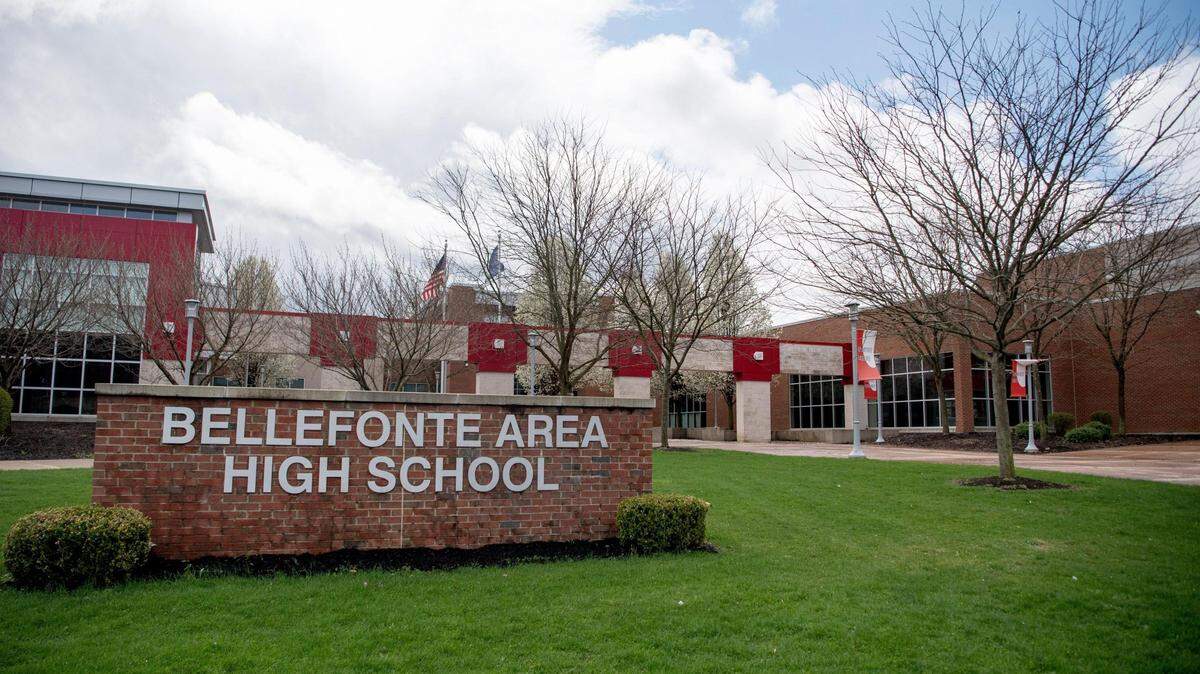
The Bellefonte Area School District is in a more stable situation, director of fiscal affairs Kenneth Bean said. The district is down roughly $3.5 million in state revenues it expected to receive since early July, but only 32% of Bellefonte’s budget comes from state sources.
Bean said budgets from Harrisburg were late in roughly half of the last 25 years. Those impasses provided the district with experience in similar scenarios, he said. With that in mind, Bellefonte’s district is carefully using some of its reserve funds to cover operational costs.
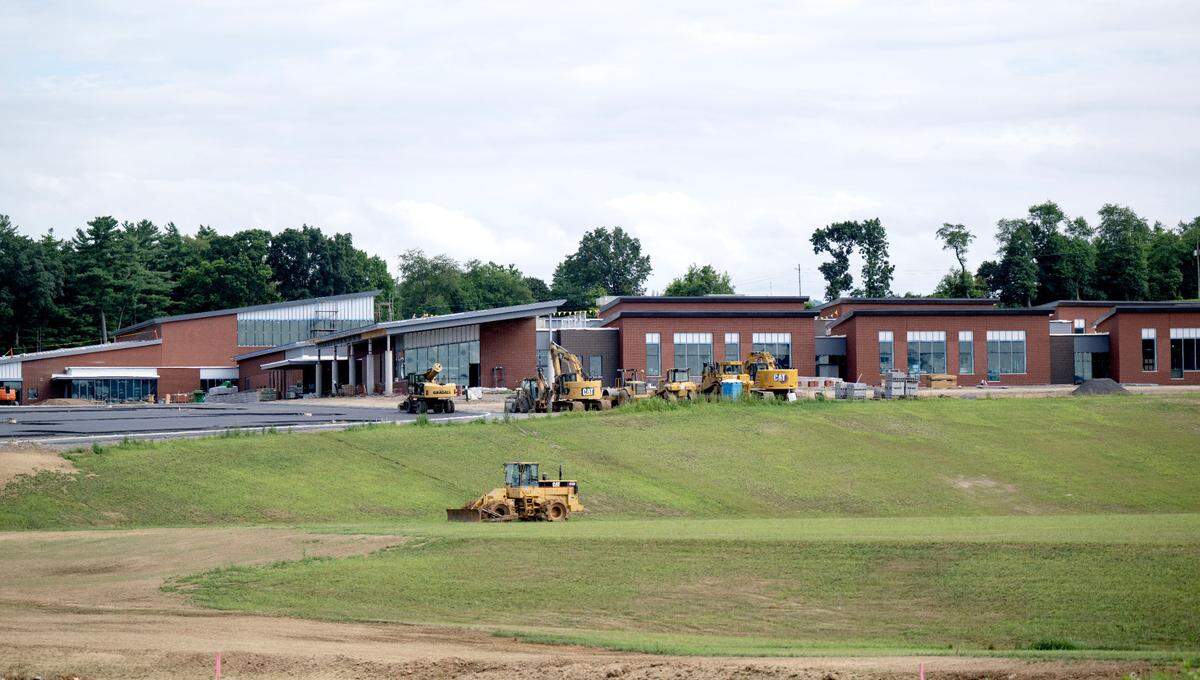
The ongoing budget impasse is not expected to impact the district’s large-scale construction projects, including the new $55.3 million Bellefonte Elementary School, because they don’t use state funds, Bean said.
“If we go through the calendar year and don’t have a budget, obviously, I’m going to start looking a lot harder,” Bean said. “We’re probably good past January. The last this went on this long, several years ago, I don’t think they had a budget until December. At that point, we were good until February, and I’d imagine we’re probably in the same boat.”
The rural Keystone Central School District, which stretches across Clinton, Centre and Potter counties, expects it will need to use reserve funds or take out a loan if the budget impasse continues into 2026, Spotlight PA reported. The Penns Valley Area School District, another rural school system in Centre County, is stable thanks to current real estate tax collections and cash reserves, but it would likely consider seeking a line of credit if no budget arrives by early next year, business manager Lynn Naugle said.
The State College Area School District, the largest in Centre County, is largely in control of its revenue streams, school board President Amy Bader said at Oct. 27’s board meeting. Roughly 79%, or $164.2 million, of the projected revenues in the district’s 2025-26 budget come from local sources, while about 20%, or $41.9 million, come from the state.
Though State College’s district is in a more stable position than some others, its board unanimously adopted a resolution prepared by the Pennsylvania School Board Association that urges Pennsylvania’s government and lawmakers to end the budget impasse. The resolution says flat funding for schools is “not an option.”
“This resolution is, in effect, all of us hopefully banding together — hopefully, many school districts across the state will pass this — and, frankly, a plea to our legislature to put politics aside and get done the things that need to get done,” Bader said at Oct. 27’s board meeting.
This story was originally published November 8, 2025 at 5:07 AM.
%202.JPG)