Library cuts will have ‘irreversible’ impact, heads of PSU’s College of Liberal Arts say
Seventeen department heads and four center directors in Penn State’s College of the Liberal Arts recently sent a letter to the administration, excoriating the university for “inequitable” University Libraries cuts that they say will have an immediate and irreversible impact on students and faculty in the college.
Penn State initially announced a $2.2 million cut to the University Libraries’ collections budget in May, as a result of the COVID-19 pandemic. But, last month, the university finally revealed more specifics — including a $400,000 cut to the arts and humanities and a $200,000 cut to the social sciences when it comes to books, journals and similar resources.
In other words, the College of the Liberal Arts, one of 12 academic colleges at the university, is accounting for more than a quarter of the cuts.
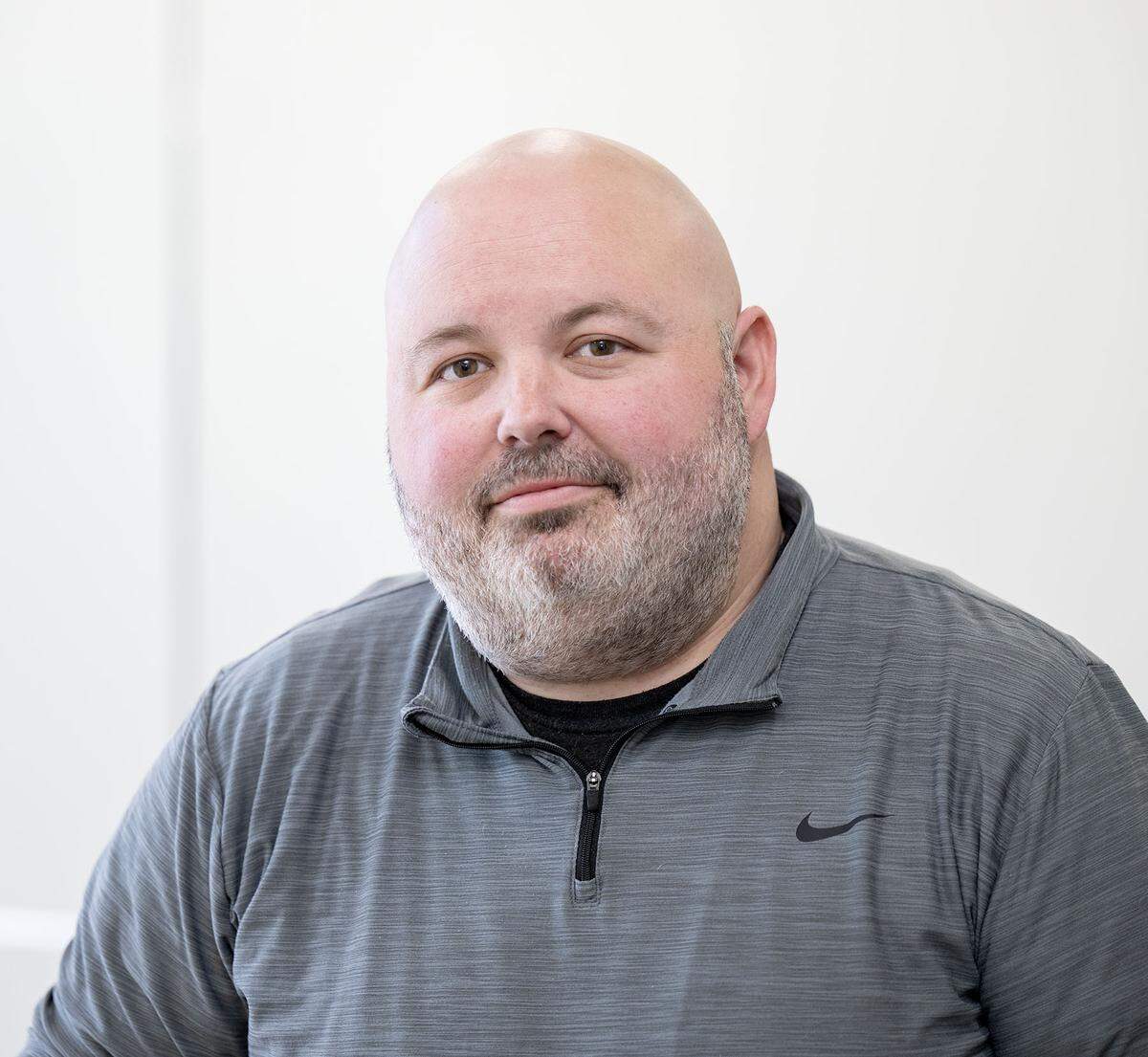
“It’s like having a chemist without access to chemicals,” said Michael Kulikowski, the head of the Department of History who drafted the letter sent to the administration. “Like, ‘Well, you can keep doing your chemistry research except we won’t allow you to have the supplies you need to do for experiments.’”
Kulikowski, part of the group that sent the letter Oct. 9, told the Centre Daily Times that he believed such cuts could have a chilling effect on the college. He wasn’t alone. In addition to the heads and directors, all 19 Edwin Erle Sparks Professors in the college — nationally prominent experts — sent a memo in support of the letter.
There is some nuance to the obvious concerns of the cuts. Although the university has promoted the use of eBooks and online databases, where some of the “cut” books might be available, Kulikowski pointed out that those copyrights aren’t guaranteed to last forever. Think iTunes songs, or “The Office”on Netflix, media that are technically not owned and could be gone tomorrow for subscribers.
The overarching problem with many of the academic books and journals is there is such a limited print run — generally less than 1,000 — that, if a book isn’t purchased upon printing, there’s no way to get it again in the future. Professors in the College of Liberal Arts could potentially borrow it from another university, but that process could take weeks or months.
“They need to be able to have that book there to work with when they need it,” Kulikowski said, referring to faculty, “or else they won’t be successful in the things they’re evaluated on.”
Signers of the letter received a reply from Provost Nick Jones on Oct. 13, saying he was working on a response. They have received nothing since.
Reached Tuesday by the CDT, a university spokesperson forwarded a written statement from Barbara Dewey, dean of University Libraries and Scholarly Communications.
“Through departmental budget reallocations, including funds redirected from the library’s operations budget, as well as support from the provost’s office and librarians’ careful management of annual print and digital titles’ acquisitions, they were able to minimize effects on the Libraries’ robust collections,” Dewey wrote, later adding, “Based on careful analysis, university librarians believe they are able to continue providing Liberal Arts and other academic disciplines’ faculty and students from all locations the materials needed to support their specific research and instruction needs.”
In the College of the Liberal Arts’ letter to the administration, the academic group acknowledged cuts must be made. But it noted that books and journals in the humanities are magnitudes cheaper than STEM fields that were not targeted for similar cuts.
At minimum, the heads and directors of the College of the Liberal Arts would like to see approval plans restored for academic and commercial presses — meaning Penn State automatically receives such scholarly works when they’re printed from those sources, like if a Harvard professor published a deeper look into fall of the Roman empire through Harvard University Press.
“Without that, you might as well say we’re a small college library without any real pretenses to being a world-class institution,” Kulikowski said.
He added, “The fact that the approval plan is on pause right now means there will probably be a few books that we never have in the library already. And those gaps in the collection are incredibly damaging both to student research right now and then to generations of students and future scholars.”