Penn State ranks near the top — globally — in THE’s 2021 Impact Rankings. Here’s the significance
Penn State has again been ranked near the top — globally — when it comes to satisfying the United Nations’ 17 goals for a better and more sustainable tomorrow.
Based on the 2021 Times Higher Education University Impact Rankings, which were released earlier this week, Penn State was ranked fourth in nation and 32nd in the world out of the 1,115 participating institutions. Universities were essentially assessed on the U.N.’s 17 Sustainable Development Goals — which include elements such as gender equality, no poverty, climate action, zero hunger and responsible consumption/production.
Last year, with just 767 participating institutions, Penn State was ranked No. 3 nationally and No. 35 globally.
“Critical research and other endeavors by faculty, staff and students have prioritized sustainability across the university and enabled us to achieve these prestigious rankings,” Executive Vice President and Provost Nicholas P. Jones said in a written statement. “We will build on this recognition by implementing Penn State’s Strategic Plan through 2025, which cites stewardship of our planet’s resources as one of five priorities and ensuring a sustainable future as a key foundation.”
Each institution, or at least those near the top, received a sub-grade for each of the 17 U.N. categories. Penn State fared the best in partnerships (No. 1 U.S., No. 25 world); sustainable cities (No. 2 U.S., No. 16 world); life on land (No. 2 U.S., No. 16 world); and zero hunger (No. 3 U.S., No. 12 world).
The U.N.’s 17 goals were developed in 2015 and are intended to be achieved by Member States by 2030. Each goal has targets and indicators to measure progress and, overall, Penn State cumulatively ranked within the top 3% of the world, when it came to higher learning institutions.
“This recognition is evidence of the vital role universities can play in accelerating innovation and amplifying impact, at both local and global scales,” added Tom Richard, director of the Institutes of Energy and the Environment.
In a news release, Penn State emphasized its commitment to the 17 goals by using several specific examples. Its water management programs have helped reduce annual water usage by 25% — and stream bank restoration, source water protection, 30 million square feet of facilities for research, etc., also vaulted it up the rankings.
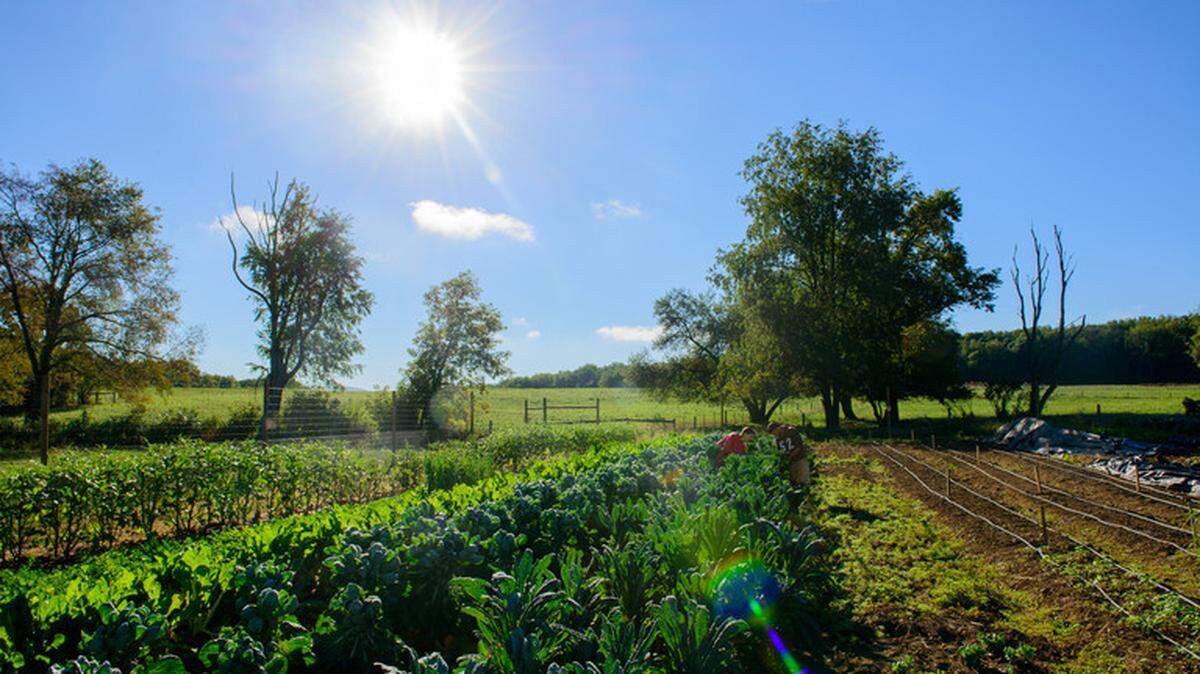
Outreach through facilities such as The Arboretum at Penn State, Millbrook Marsh Nature Center, the Student Farm at Penn State and Shaver’s Creek Environmental Center also positively impacted Penn State’s standing.
“In an era when institutions across the world are increasingly focused on impact and innovation, I am delighted that Penn State retains a global reputation as a world leader,” added Roger Brindley, vice provost for Global Programs at Penn State.
For more information, visit THE’s website at timeshighereducation.com or contact William Shuey in the Office of Global Programs at wts5003@psu.edu.