Historic University Club opens doors for last time. Here’s what State College, Penn State are losing
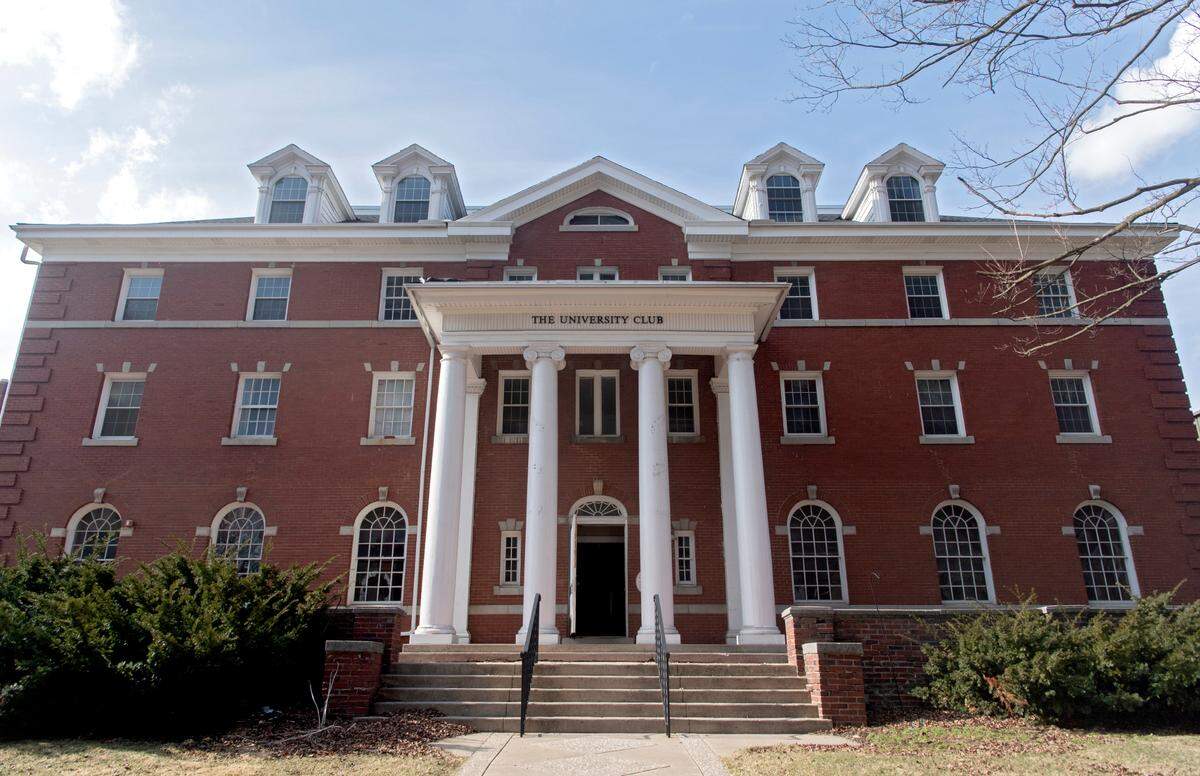
After 108 years, the historic four-story building on West College Avenue sits empty now — with only memories left inside, of a time starting when milk cost 6 cents a gallon and when the property embraced its role as the social center of State College.
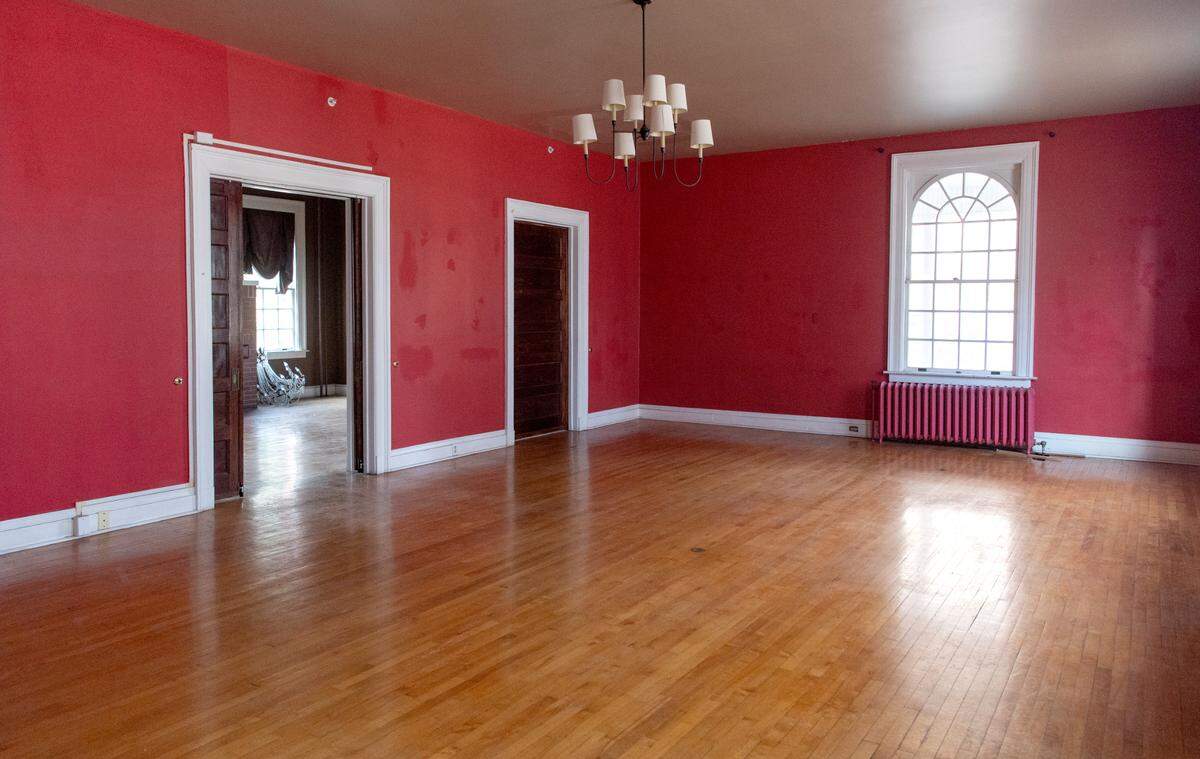
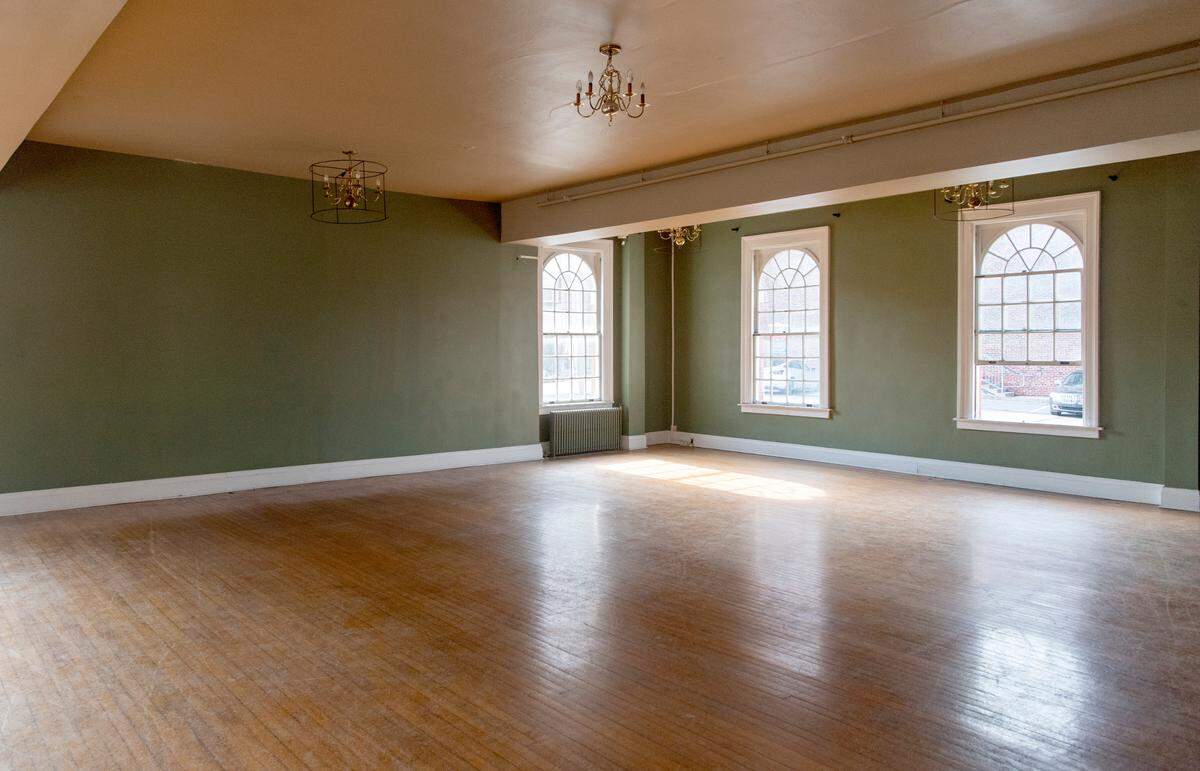
Built in 1914, the University Club at 331 W. College Ave. held its final walk-through for select visitors on Friday. The social club will soon be demolished, along with the hardwood floors that once hosted white-glove affairs with dancing university presidents and a living room that held lively academic discussions. William Howard Taft, the 27th U.S. president, even reportedly visited a few years after his presidency.
Penn State sold the property to the University Club for $1 in 1913 and, more than a century later, the 501(c)(7) social club sold it back to the university for $4.07 million, after progress and the pandemic forced the hand of club members. The club — which provided banquet facilities in addition to housing for grad students, staff and visiting professors — is no longer a gem of the town, not with nearby high-rises that boast larger rooms and private bathrooms.
The property is expected to officially transfer to the university on Tuesday. University trustees said last month that renovations would cost several million dollars, so the plan now is to demolish the property — a move some club members bemoaned.
“We’re losing a treasure, and people on campus do not understand that,” said Marilyn Haugh, 82, a member whose family often visited on Friday afternoons nearly 50 years ago. “The only people who understand it are the people who are members now, and who have been members for a long time, and remember the glorious times that that we have had at the University Club.”
Preserving history and sharing memories
The club opened decades prior to the area’s historic staples — 34 years before The Tavern, 24 years before The State Theatre, 19 years before the Rathskeller and 12 years before Jack’s Roadhouse changed its name to The Corner Room. Even Joe Paterno was born 12 years after orchestras started playing in the ballroom while the women danced in long dresses.
The University Club may not be able to preserve the building, but club president James Collins said it’s still trying to preserve its history. A cache of about 40 boxes of documents was recently unearthed, and the club has been in conversations with the Centre County Historical Society and a former Penn State archivist about digitizing the documents — or at least figuring out exactly what’s there.
Collins, who reiterated the club hopes to continue at a future location (without housing), also plans to update the club’s website and solicit stories of the club from those who remember it. One visiting man, who lived there in the mid-1990s, told Collins he and his friends found a flat spot on the roof — about 10 feet from the fire escape — where they’d party on occasion.
“It was really kind of fun to hear about that,” Collins said with a laugh, “because I had no idea that you could get up there.”
Vicki Fong, a club member, recalled a Christmas party around 1981 and years of people-watching from the front patio during Arts Fest. Thomas Daubert, who taught at Penn State starting in 1961, remembered hosting honors society meetings in the basement. And Haugh remembered with a laugh how the “Bavarian Stompers” would draw a crowd a half-century ago with polka music and dancing.
State College’s “social center” didn’t stay that way as the university grew and the town followed. It adjusted over the decades, from originally housing male professors who were widows or bachelors to primarily graduate students. But it always welcomed members who didn’t live on the property, during weekly and then monthly gatherings.
Haugh still fondly remembers the “Red Room,” the basement that was covered in red velvet. An adjoining room held a full bar, near lockers protecting members’ favorite liquor. On Friday afternoons in the 1970s, children would often play on the pool or ping-pong tables while dozens of husbands and wives would sip on Yuengling after work.
Now in its final days, that party room is stripped bare, save for exposed brick where the bar once stood with remnants of velvet stuck in the corners.
“It’s so painful for me to remember the wonderful people that I met there and the people who became very, very close friends,” Haugh said. “You can’t believe that pain in my heart when I came to the realization that that place is going to be gone forever.”
What’s next for the property?
Penn State does not yet have plans for the space. But the purchase is considered an important one for the university, as it completes its ownership of all the parcels on the northern side of College Avenue.
Club members agreed selling the property was the right move for the University Club. Of the club’s 49 members, only three voted against the sale. The money will allow the club to pay off the mortgage, open a new social club elsewhere without housing, and donate money to The State Theatre (if any is left over).
But, Daubert said, many didn’t realize at the time the university intended to tear it down.
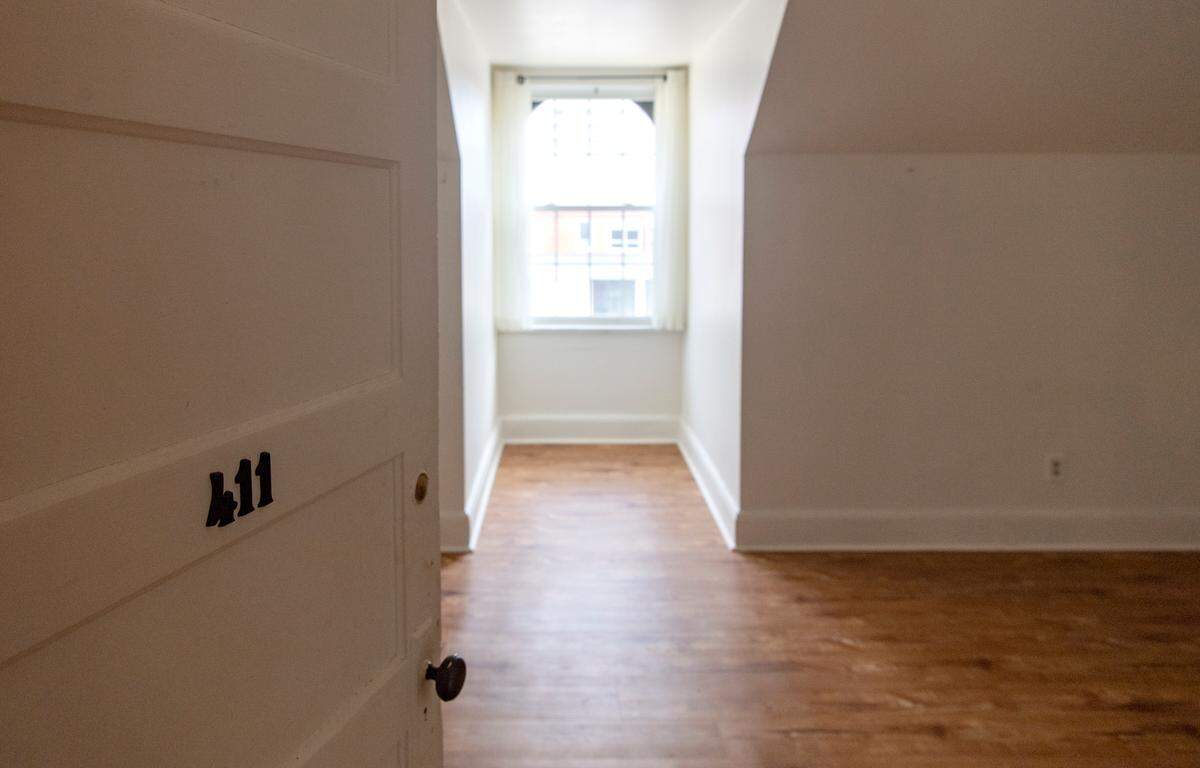
Soon, the building will be just a memory. But, for decades, it made a lasting impact on both the town and the university. For more than a century, conversation stirred near the sliding doors of the dining room, conversation echoed off the walls of the living room, and three floors of small bedrooms hosted great minds. (Pulitzer Prize-winning poet Theodore Roethke once lived on the fourth floor.)
Now, still full of history, it sits empty.
“There are a lot of memories there,” Haugh added. “A lot of amazing memories.”