
DOJ won’t intervene for now in case of Penn State allegedly mishandling US government info
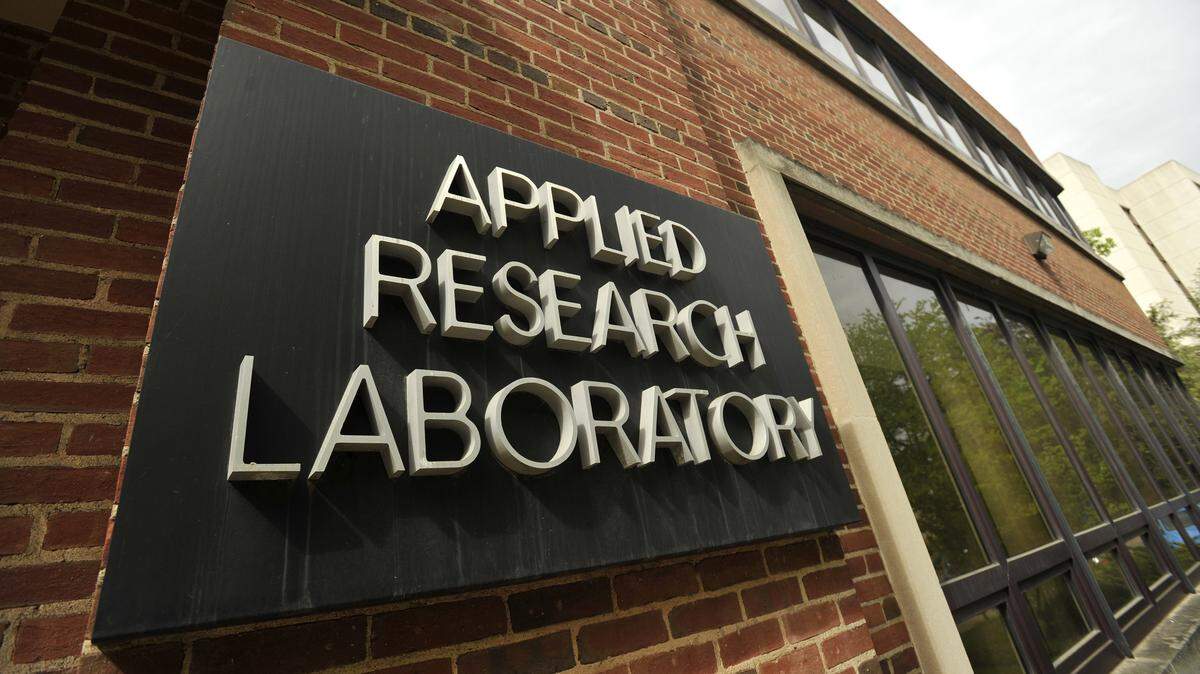
The Justice Department declined Friday to intervene in a whistleblower lawsuit that alleged Penn State mishandled sensitive government information for years by either lying or misleading the government about its adherence to cybersecurity protocols.
The federal government’s investigation into the claims has not been completed, prosecutors wrote, leaving the agency unable to decide ahead of the Friday deadline set by a judge if it would proceed.
The department’s probe is ongoing. Investigators are obtaining and reviewing information produced by Penn State and “may need to take further investigatory actions” before they determine whether to intervene at a later date, prosecutors wrote.
The lawsuit brought by Matthew Decker — the former chief information officer for the university’s Applied Research Laboratory — may continue. Litigation would be led by his attorneys, rather than the Justice Department.
It was not known if his attorneys planned to continue pursuing the lawsuit. Messages left with Darth Newman and Julie Bracker were not immediately returned Monday.
Penn State “remains committed to its compliance obligations and will continue to cooperate with the government in its ongoing investigation,” university spokeswoman Lisa Powers wrote in an email Monday.
A lawyer who has litigated lawsuits like the one brought by Decker for more than 30 years said the Justice Department’s decision to not intervene is not unusual. The agency intervenes in only about 20% of False Claims Act cases that are filed annually, Marc Raspanti said.
What was unusual, Raspanti said, was the amount of time federal Judge Paul S. Diamond gave the Justice Department to investigate Decker’s allegations.
Most investigations take years to complete. Diamond gave the Justice Department about a year from the time Decker first filed the lawsuit to decide if it would intervene.
“In my world, this is a fairly short period of time. Sometimes the government in these complicated cases can take years to make that decision,” Raspanti said. “The statute says they get 60 days, but that 60 days is routinely extended.”
Decker served as the chief information officer for the university’s Applied Research Laboratory for more than seven years. He was responsible for ensuring the lab upheld its end of the contracts it has with multiple federal agencies, including the Defense Department and NASA.
Decker alleged the university has lied about its compliance with more than 100 security controls for sensitive government research and national security information since at least December 2017.
He also claimed Penn State “did not appear even to be working toward compliance” even after alerting key university officials multiple times.
Penn State, Decker alleged, submitted at least 20 falsified records. Some of the submitted reports were template documents entered to merely “check the box,” his attorneys wrote.
“Penn State has, at best, inconsistently sprinkled in some small levels of cyber security best practices, but these half measures are not systemic,” his attorneys wrote. “... There is no chance that comprehensive protection or compliance can be truthfully attested.”
They later added: “It seems there is virtually no chance that Penn State could respond effectively and quickly enough to maintain the contract if a sponsor should investigate the false attestations.”
If a settlement is reached or Penn State is otherwise required to shell out money, Decker could receive upward of 25% to 30%. He may also be entitled to legal fees and other expenses. The Justice Department must sign off on any resolution.
Decker no longer works for the university. He is employed as the chief data and information officer at NASA’s Jet Propulsion Laboratory. He was appointed to the position in April, one month after he left Penn State.
“I spend a lot of time talking potential whistleblowers out of being a whistleblower because, for a whole variety of reasons, it’s not a sure thing. It will take a longer time than anyone thinks. It will have ups and downs. It will be expensive. It will be stressful,” Raspanti said. “I’ve had successful cases that have gone eight, nine, 10, 12, 13 years. It takes an unusual person who is willing to invest the time, the effort, the emotion, the money into that kind of a case when you might end up losing.”