Inside the new $85M Palmer art museum and how it creates a ‘welcoming gateway to Penn State’
The Palmer Museum of Art is set to open Saturday in its new location near Penn State’s arboretum after years of planning.
The 73,000-square-foot building amid a 5-acre landscape is nearly double the footprint of the museum’s previous location on Curtin Street on campus. The museum includes 20 galleries, event space, a cafe and museum store, and an administration and education wing with offices, classrooms and study areas.
The museum held a media event on Wednesday for local news outlets to explore the new space. Erin Coe, director of the museum, recalled her first day at Penn State seven years when she learned about the vision to create a new destination for discovery, exploration, learning and engagement — while bringing together two “cultural icons.”
With the opening of the museum at its new location at the arboretum, that vision has become reality, she said.
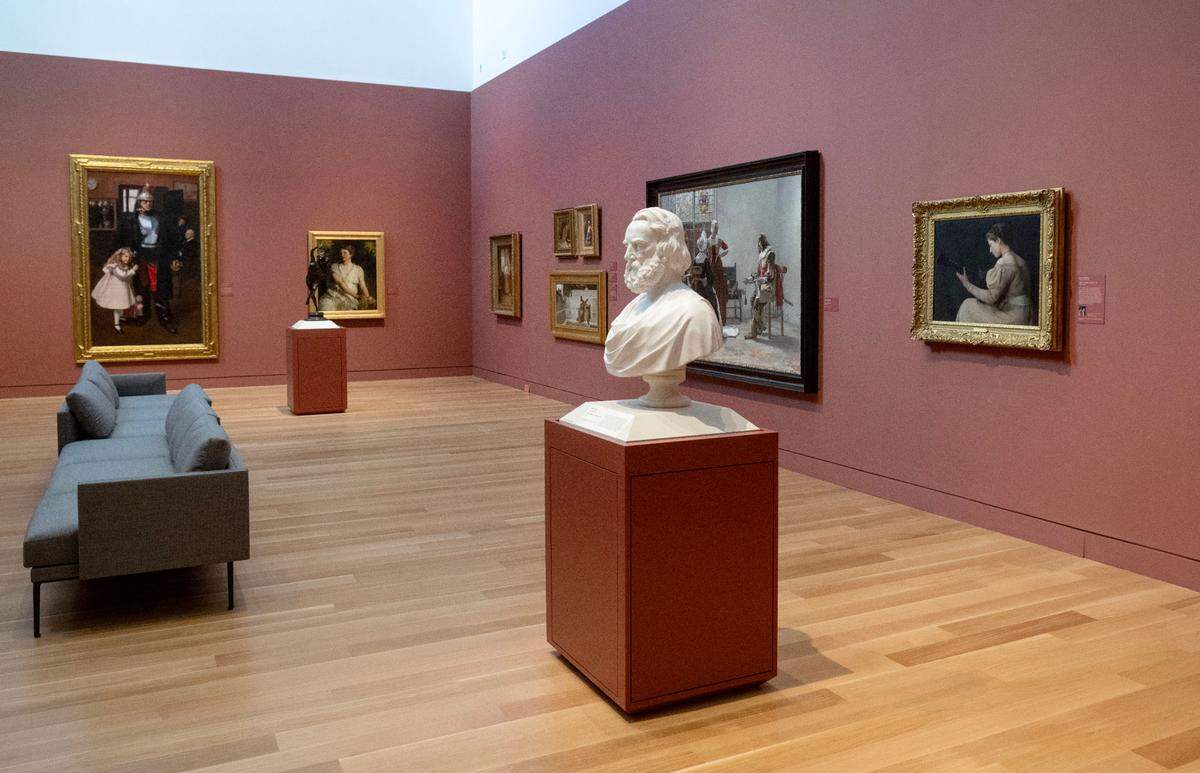
The museum has several different types of art, including American art, contemporary studio glass, ceramics, African art, Asian art, European Old Master paintings and sculptures, modern and contemporary art, and paper works like drawings, prints and photographs. There are 15 permanent galleries that showcase pieces from the museum’s collection of 11,000 works of art.
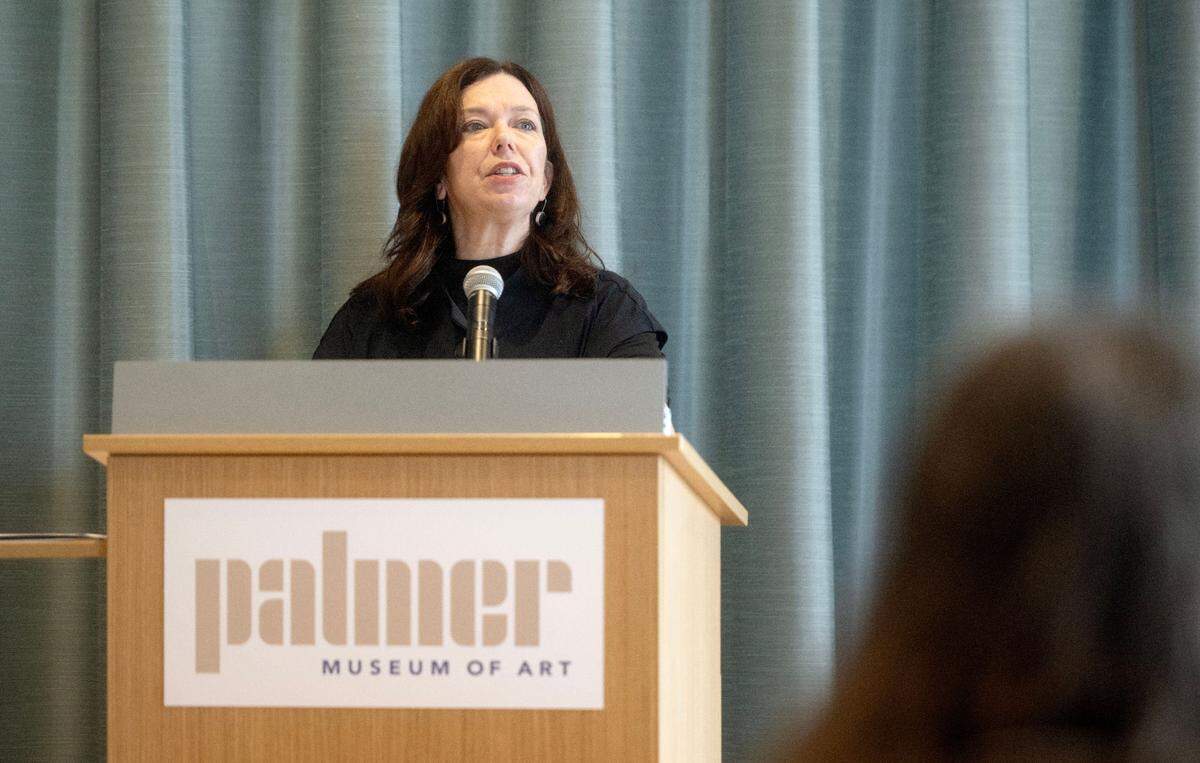
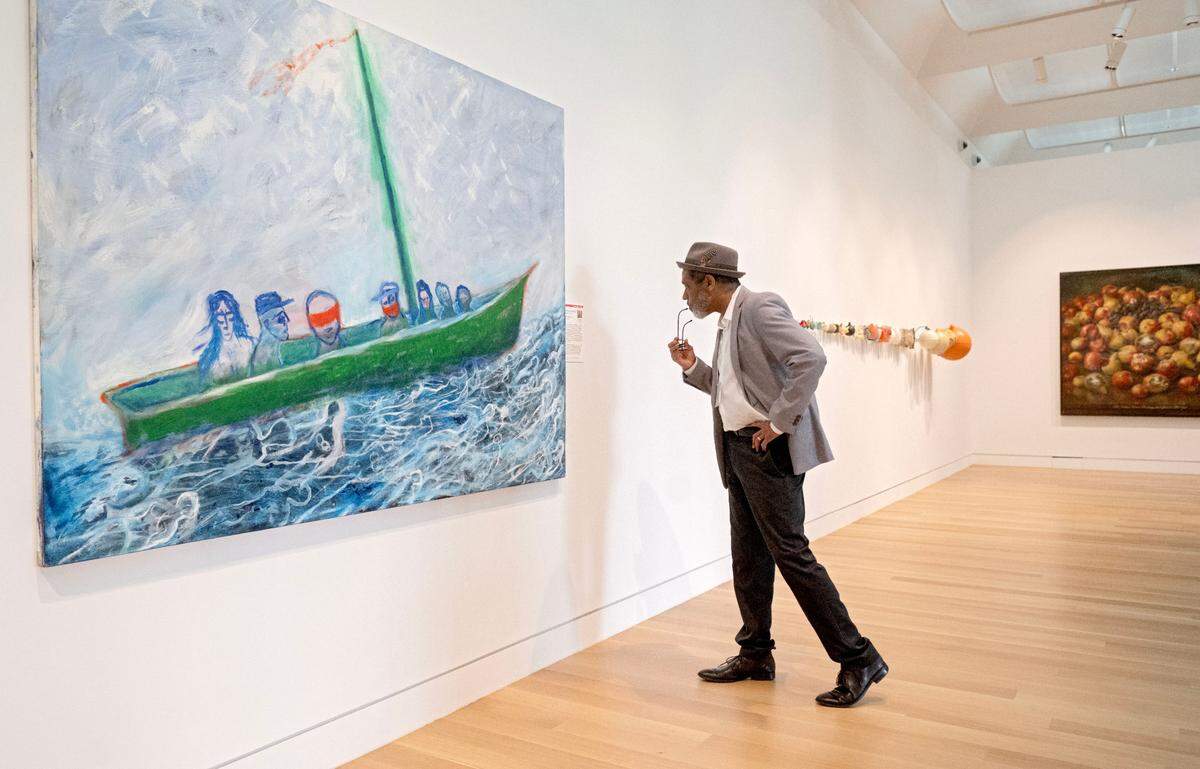
Additionally, there are temporary exhibitions that will engage the community “like never before,” Coe said. That includes the inaugural exhibition Made in PA, which highlights artists who are local to Pennsylvania or who built their careers here. Another exhibition, The Art of Teaching: Medical Education and the Integrated Curriculum, is a partnership between the museum and the university’s College of Medicine. It connects art and science, Coe said.
“I like to think it’s the museum’s track record of building strong and long standing connections with our local audiences that is truly the hallmark of this vibrant institution. The Palmer’s new museum will greatly expand on that track record to serve our local and regional communities and student populations and connect these audiences to and with each other in new ways,” Coe said.
Stephen Carpenter, dean of the College of Arts and Architecture, said the space is more than a museum that displays and collects artwork.
“In my view, the Palmer Museum of Art is an interdisciplinary institute for inquiry, knowledge, construction, and wonder. That’s what happens here. There’s so many ways that we can make sense of the world through numbers. Those are important. There are incredible ways that we make sense of the world through stories and words — also important. But if we leave out the symbolic and the visual and the tactile and the embodied, there’s so much that we miss out on what it means to be human, on what it means to interact with other people,” Carpenter said.
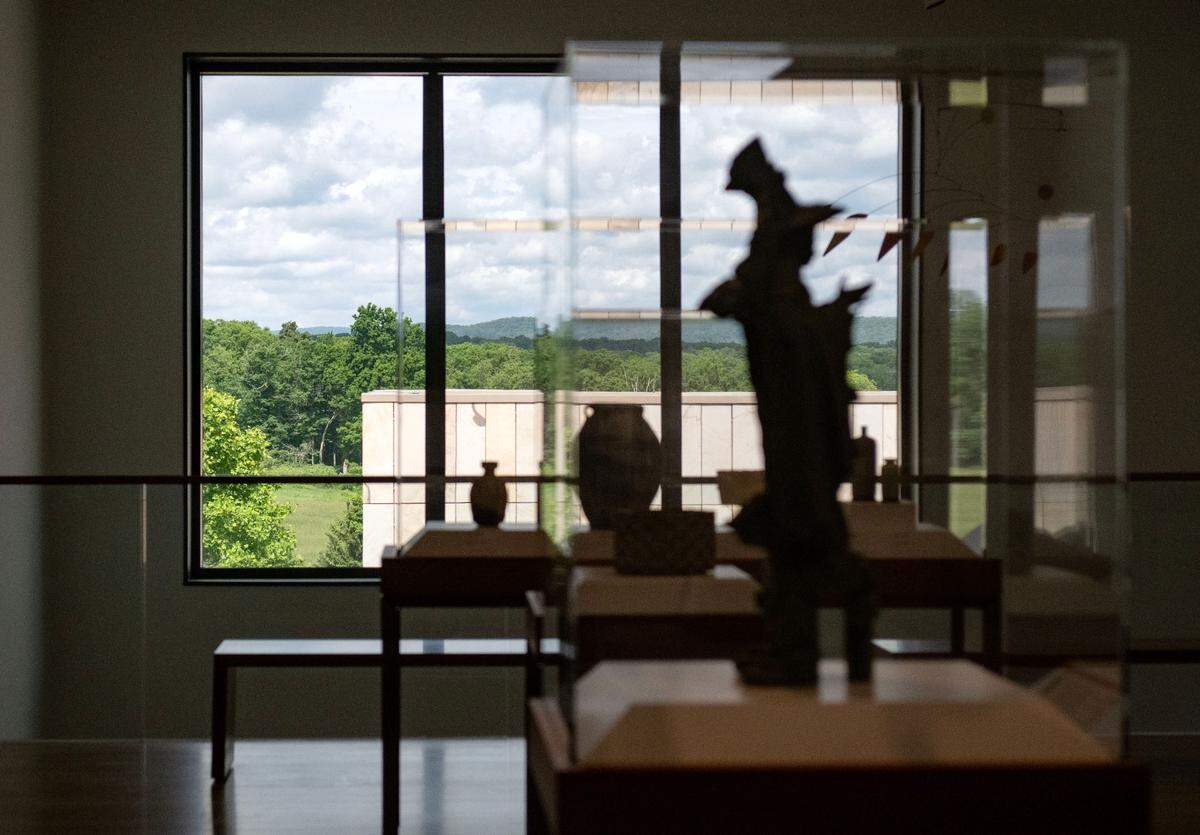
The intentionality of the space goes beyond the artwork that is displayed. The building has tons of natural light through skylights and large windows. The skylights and blinds automatically open and close depending on the light level outside. Stainless steel “lenses” are also suspended across some of the facade to help mitigate light and heat.
Some windows frame the landscape so it looks as if Happy Valley’s mountains are part of the exhibits.
“As you gaze out the windows of the Palmer Museum, upon the grounds of the arboretum and the vistas beyond, it is easy to see how the landscape has provided the inspiration for the presentation of a collection … as well as the design of the building itself,” Coe said. “Indeed, by seamlessly integrating art architecture in nature, the Palmer has created an accessible and welcoming gateway to Penn State, and with the arboretum a cultural destination for the entire region.”
The museum, located at 650 Bigler Road, University Park, will open to the public on Saturday, June 1. Its hours are 11 a.m. to 5 p.m. Wednesday, 11 a.m. to 8 p.m. Thursday, 11 a.m. to 5 p.m. Friday and Saturday, and noon to 5 p.m. Sunday. Admission is free. There are several programs planned at the facility throughout the summer, including tours, workshops, summer camps and yoga.
Inside the galleries
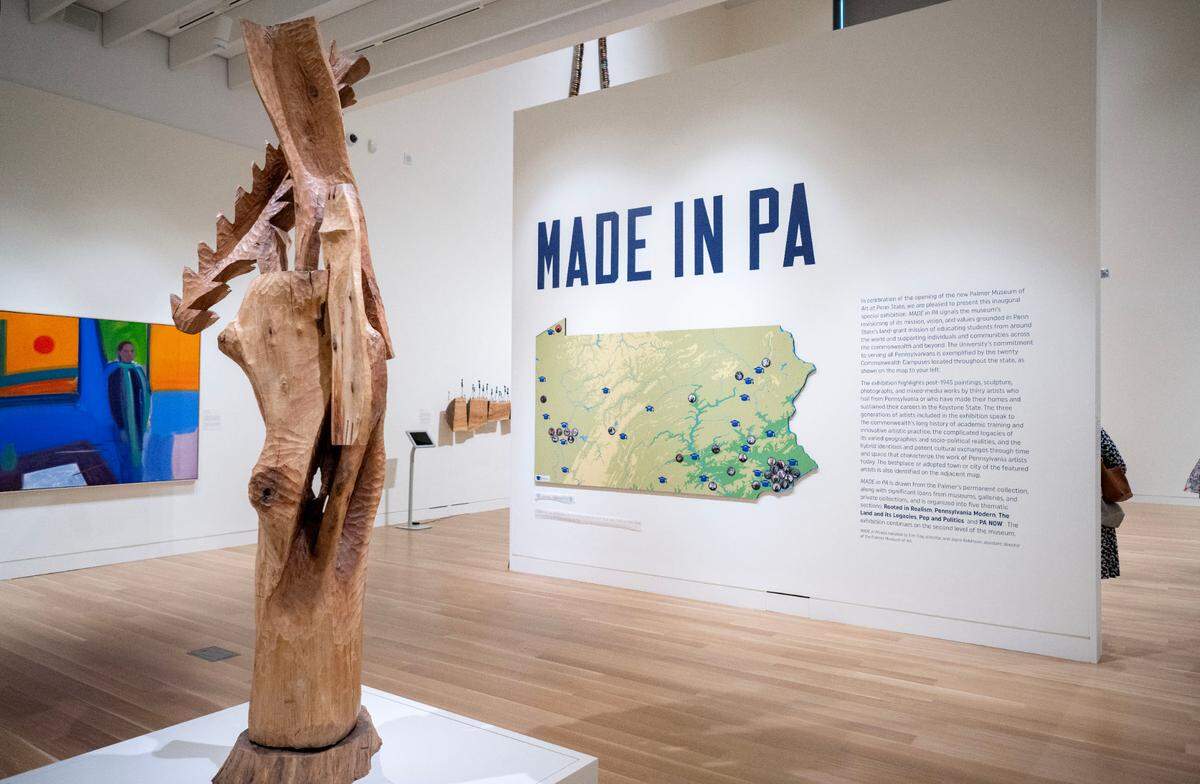
The Palmer’s inaugural special exhibition, Made in PA, will be open through Dec. 1. It focuses on artists and artistic traditions from Pennsylvania, Brandi Breslin, the museum’s director of education, said during a tour of the museum. It even features artwork from some Penn State alumni.
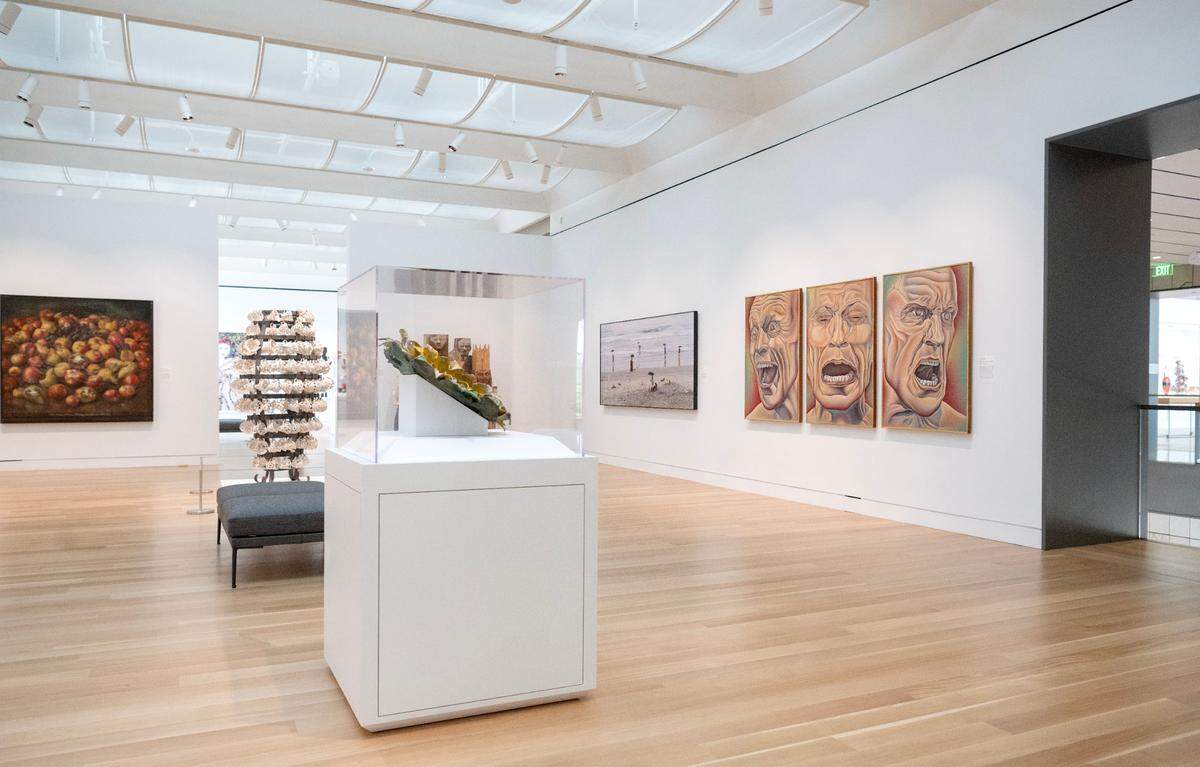
The contemporary gallery includes pieces created since 1980.
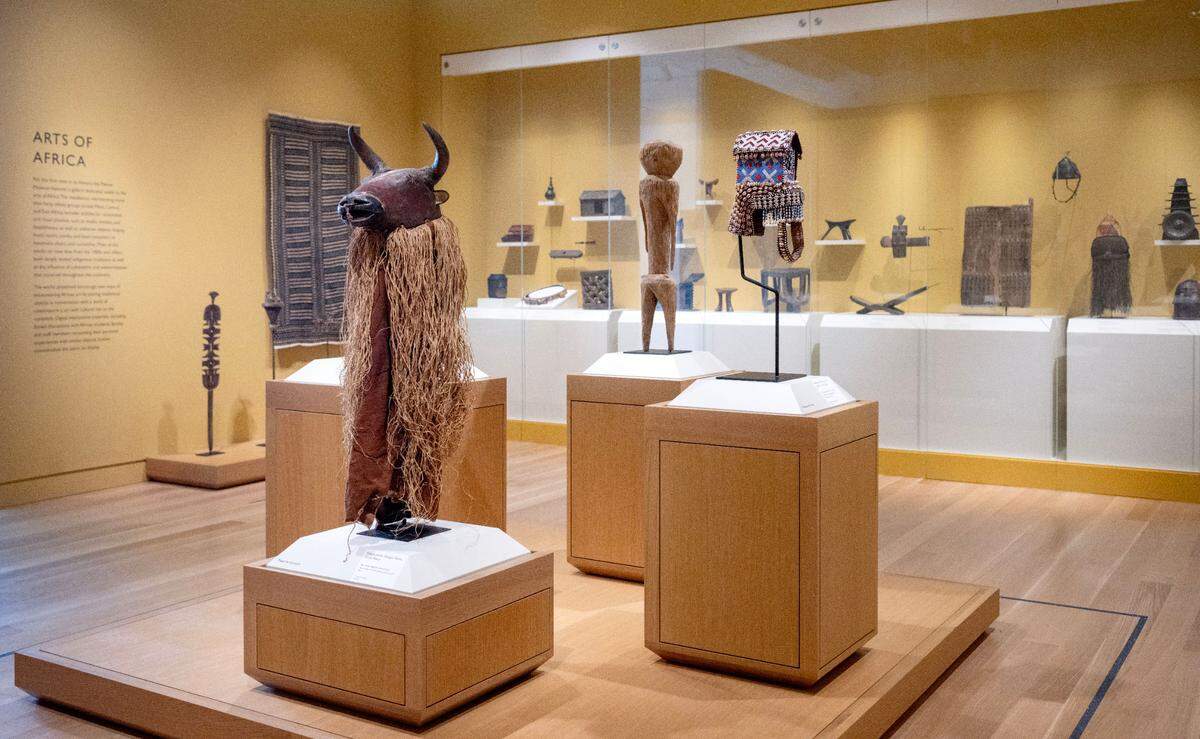
The Palmer’s previous location didn’t have a gallery dedicated to always having a portion of the Arts of Africa collection on display, Breslin said, so they’re excited to have this space now.
Lighting is a unique focus throughout the museum and the Arts of Africa gallery isn’t an exception. While many spaces are filled with natural light, this specific space doesn’t have any skylights. The African collection is made of works that need lower light levels as the textiles used are much more sensitive, Breslin said.
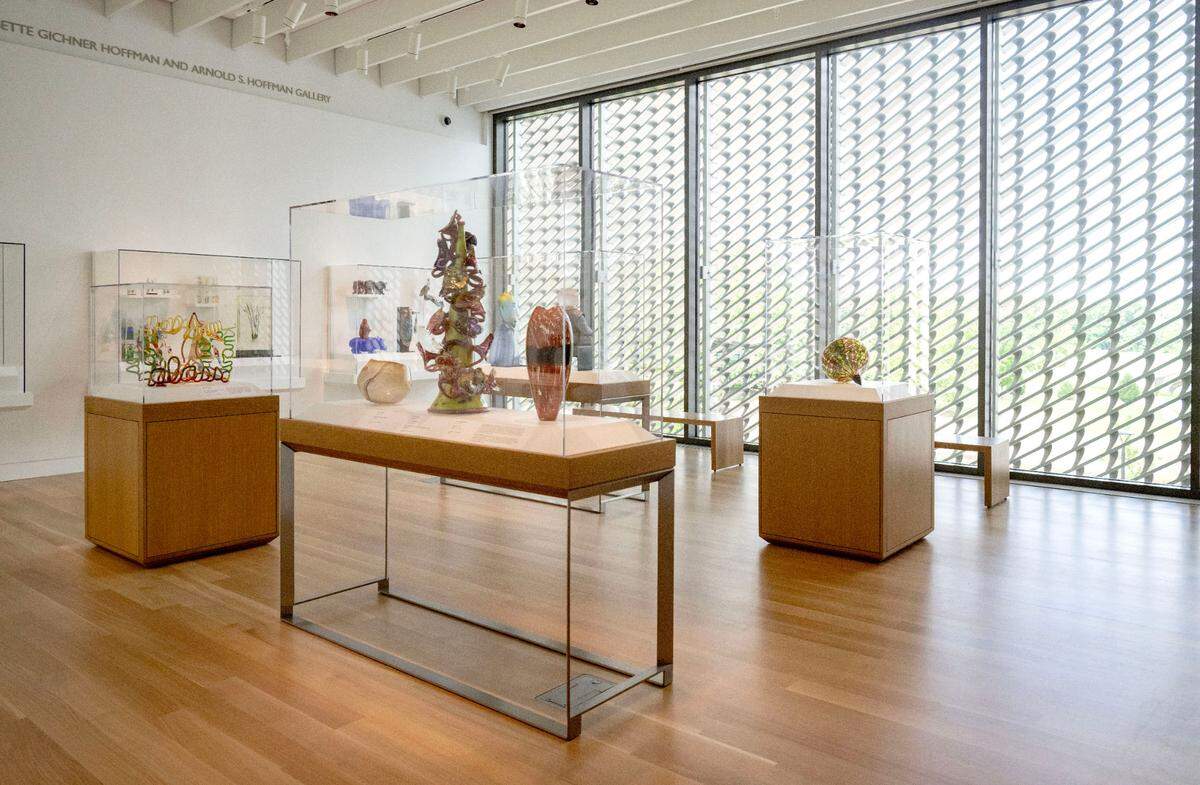
The studio glass gallery is a “crowd-pleaser,” Breslin said. It’s a bright, colorful and reflective room.
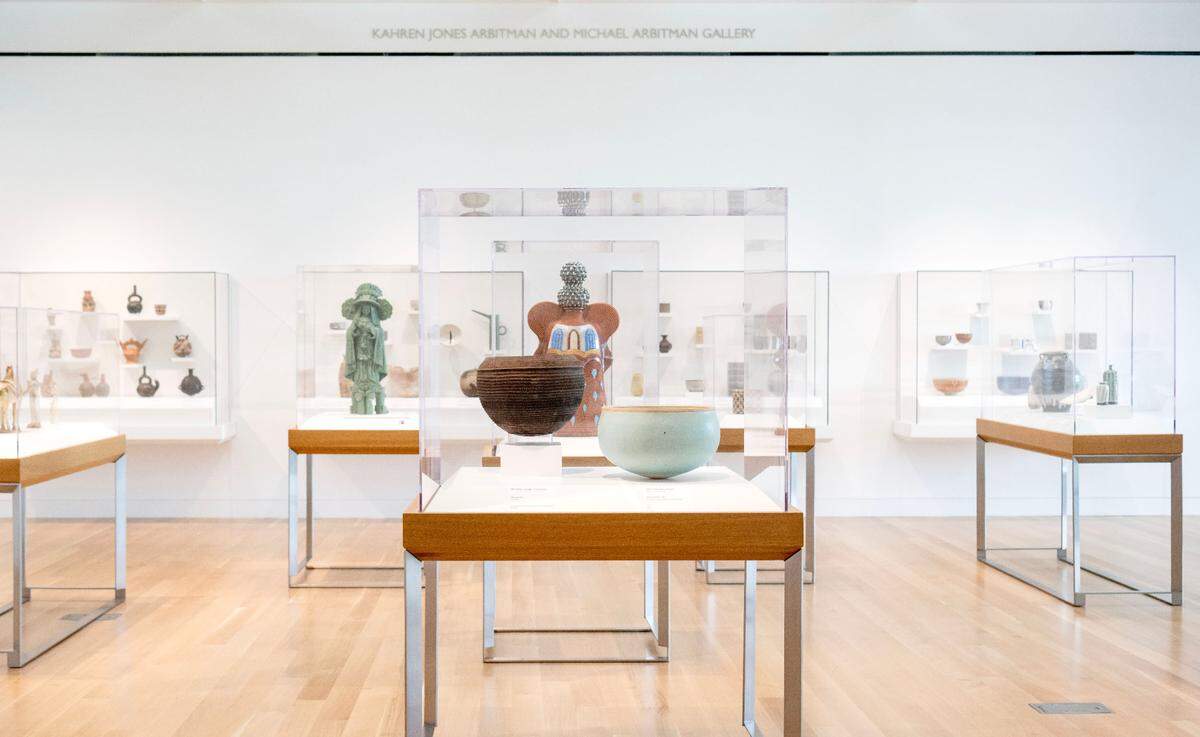
The glass and ceramics selections at the Palmer’s previous location on Curtin Street were “nudged together” in one small gallery; this space allows both to be showed off to its fullest, Breslin said.
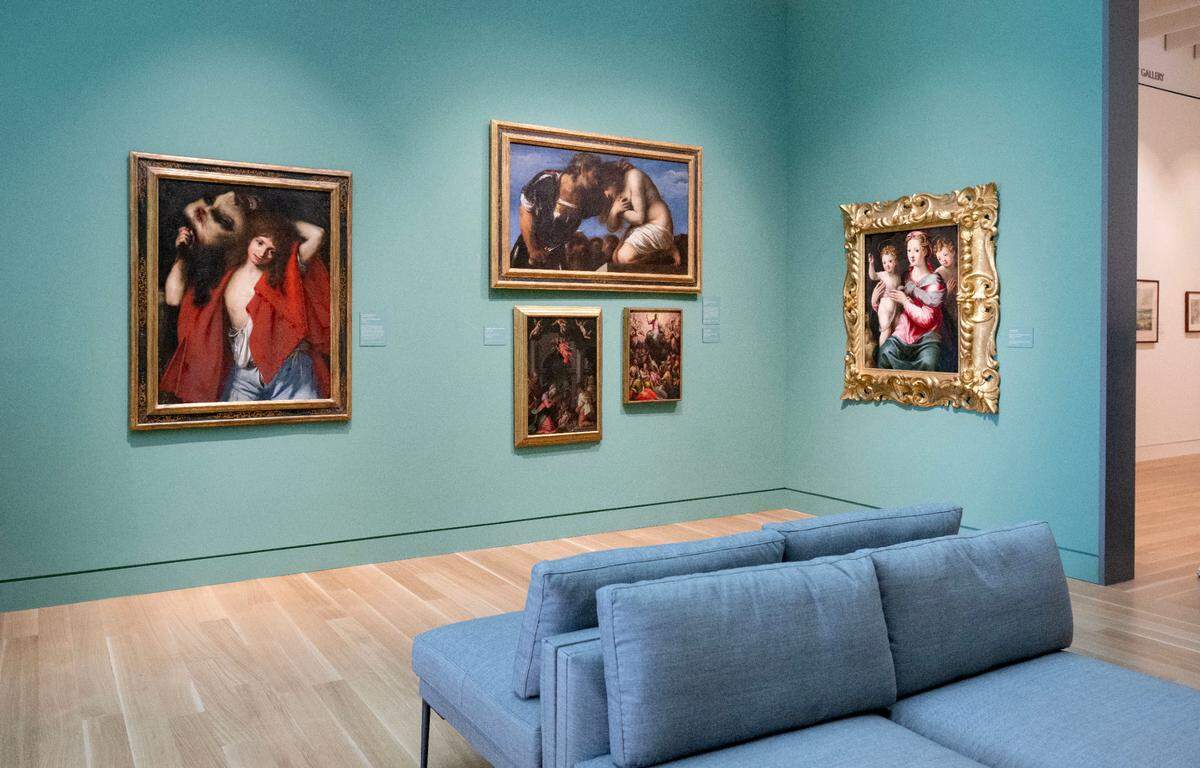
The European gallery, among others throughout the museum, includes seating areas for visitors to stop and take in the art. Breslin said
This story was originally published May 29, 2024 at 4:34 PM.