
Penn State confirms chickenpox outbreak on campus. Here’s who may have been exposed

In a Friday release, Penn State said three cases of varicella, commonly known as chickenpox, have been confirmed by health officials on the University Park campus.
The contagious virus brings a telltale red, spotted rash and often leaves infected individuals itchy.
In the release, the university said the outbreak had been traced, and those in Mifflin Hall from Feb. 17 to Feb. 24 or the Thomas Building Feb. 20 from 1 to 3 p.m. may be at risk of exposure to the virus. Those who have received both doses of the varicella vaccine should be protected.
If you think you may have been exposed to the chickenpox, university health officials advise you check your vaccination records and consider getting the shot series through University Health Services or a pharmacy or primary care clinic, if needed.
The university has reported chickenpox exposures in the past, including in 2015, when a possible exposure occurred ahead of Thon, a fundraising celebration to fight childhood cancer.
If you are displaying symptoms, the university requests you isolate immediately and contact UHS at 814-865-4847 or their local health care provider.
What to know about chickenpox and the vaccine
Chickenpox is highly contagious and caused by the varicella-zoster virus. Shingles, which generally occurs in older adults who have had chickenpox, is caused by the same virus.
“The virus can be spread from person to person by direct contact, inhalation of aerosols from vesicular fluid of skin lesions of acute varicella or zoster (the fluid from the rash blisters); and possible through infected respiratory secretions that also may be aerosolized,” the U.S. Centers for Disease Control and Prevention reports.
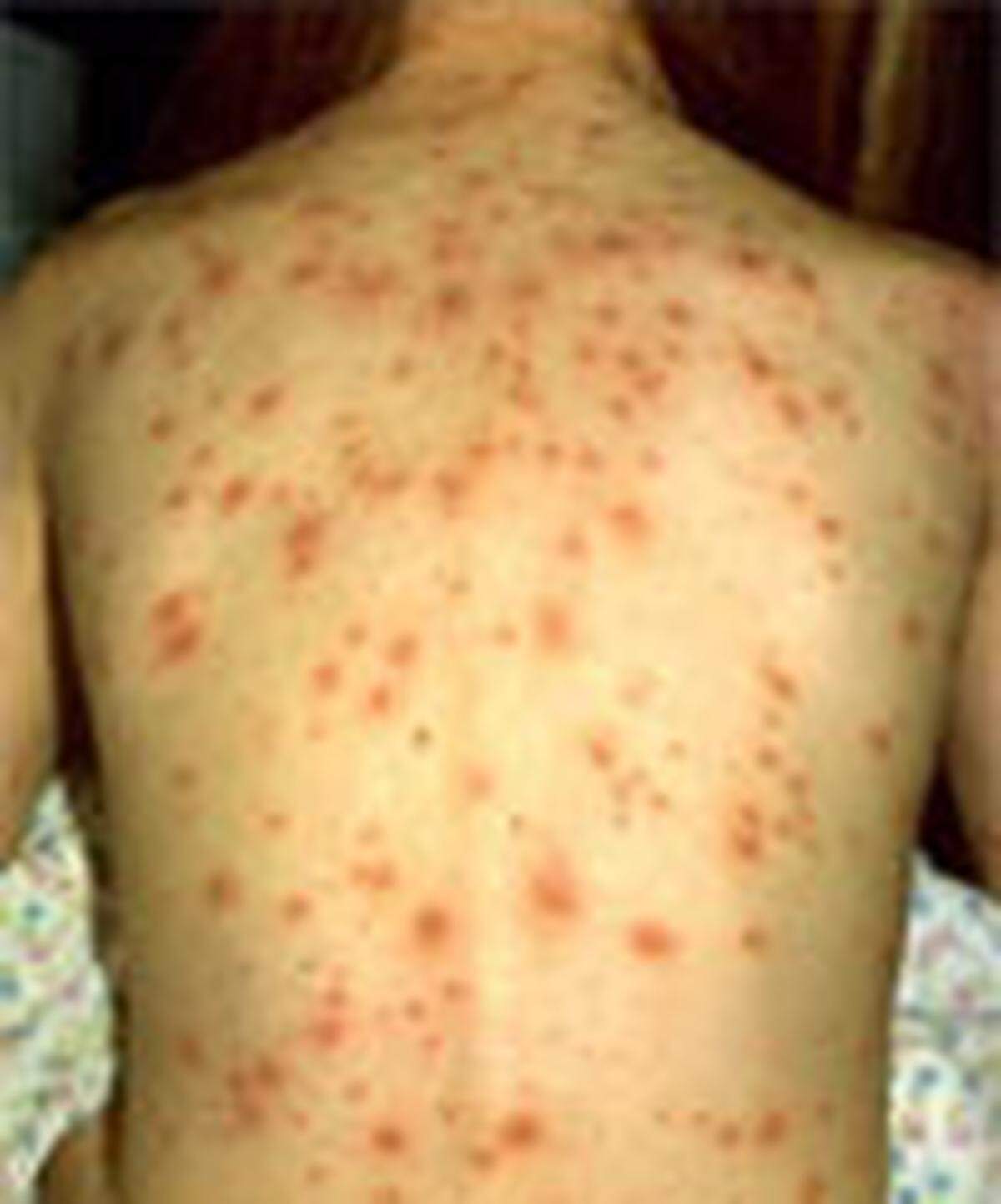
Prior to the introduction of the vaccine against chickenpox, it was most common in children, and the CDC reports 90% of cases, 70% of hospitalizations and about half the deaths from varicella occurred in children, citing data from the early 90s.
The varicella vaccination program has been widely successful, reducing U.S. chickenpox cases by 97% from 1995 to 2019, the CDC reports.
The shot is a two-dose vaccine administered to children at 12 to 15 months and again at 4 to 6 years old. However, adults who have never had the chickenpox can also receive the vaccine. The shot is required for all grade-school Pennsylvania children.
Chickenpox risk factors and symptoms
More cases from the Penn State outbreak may be found, as the incubation period of chickenpox is more than two weeks. The CDC reports infected adults may feel poor and have a mild fever a day or two before the rash presents. In children, the rash typically is the first symptom.
Generally, chickenpox in unvaccinated individuals results in hundreds of lesions on the body as part of the rash and an illness that lasts five to seven days. A fever is another common symptom.
More serious cases of the chickenpox can lead to bacterial infection or pneumonia.
The CDC reports particularly at-risk groups include:
- Those who are immunocompromised
- Pregnant women
- Newborn and premature babies