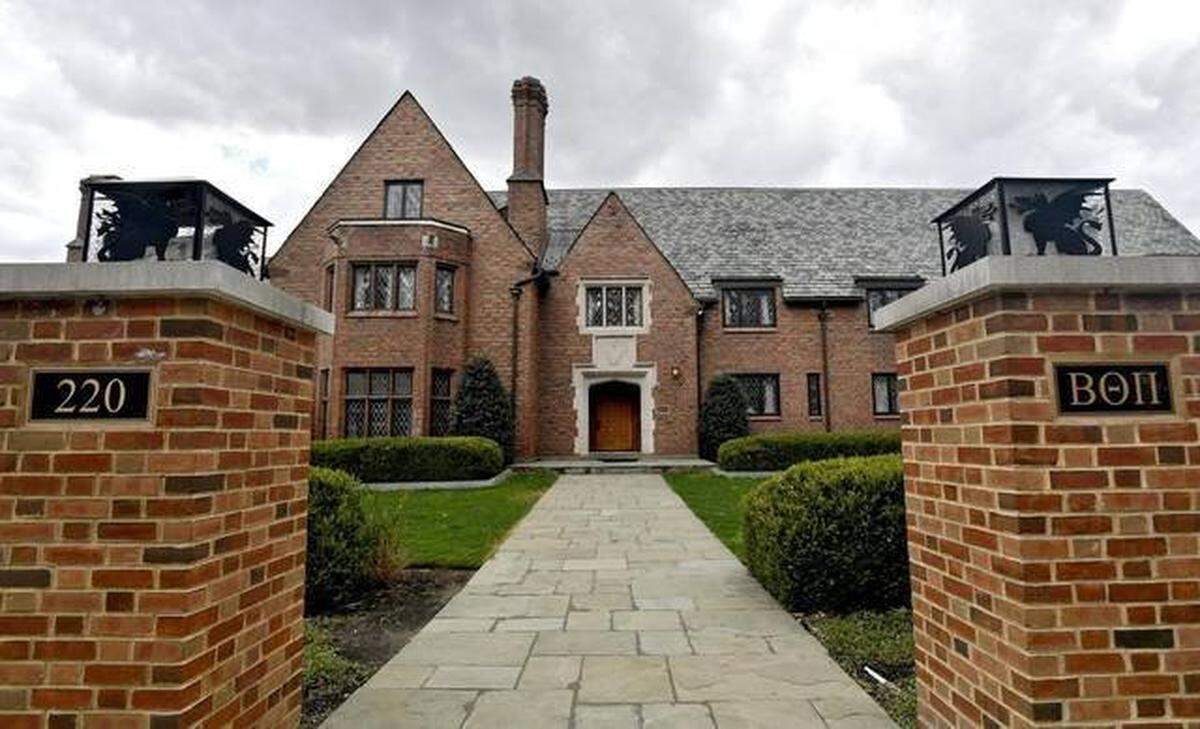
Penn State moves closer to repurchasing shuttered on-campus fraternity
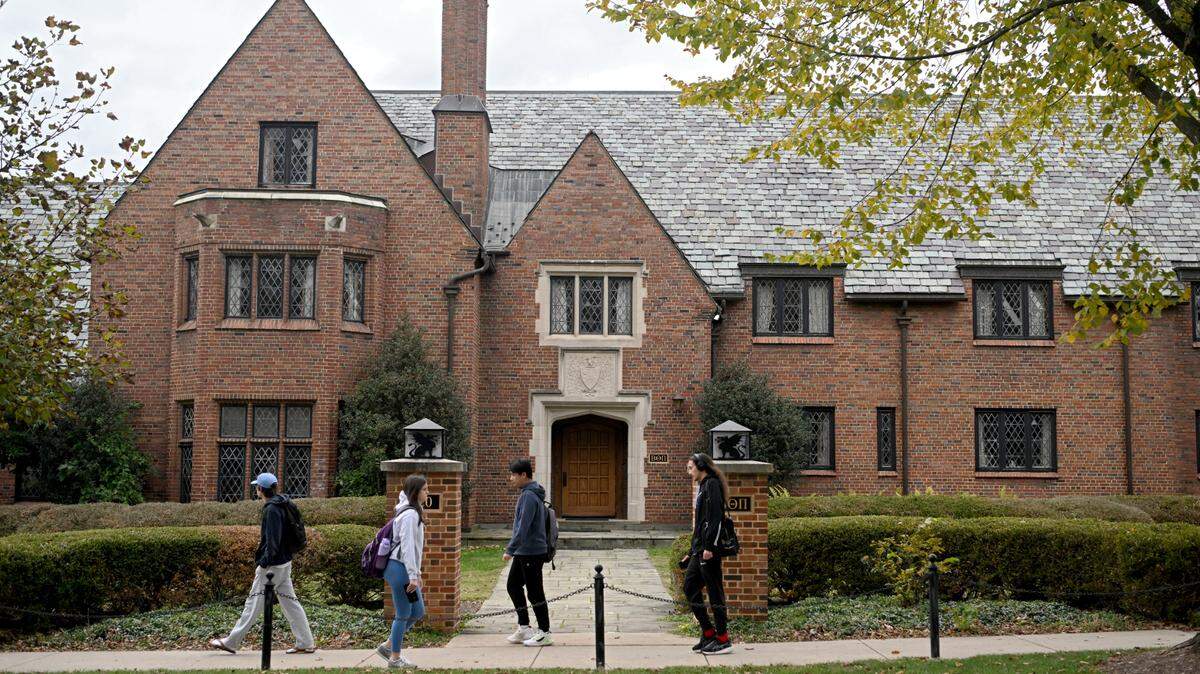
Penn State is preparing to clear what could be one of the final hurdles before it can repurchase the shuttered on-campus fraternity where a pledge fell and later died eight years ago.
The university and alumnus Donald G. Abbey said in a court document filed Tuesday they agreed in principle to a settlement. They’ve been at loggerheads since Beta Theta Pi was closed and Abbey sought to recoup the more than $10 million he loaned the fraternity.
No terms were released. The two sides are working to finalize the settlement, which the university’s board of trustees is scheduled to vote on at its July meeting.
Penn State has spent years trying to repurchase the house since the February 2017 death of Timothy J. Piazza, a 19-year-old sophomore engineering student who died of severe head and abdominal injuries after a series of falls inside house at 220 N. Burrowes Road.
Former Penn State President Eric Barron testified during an October 2021 non-jury trial that Piazza’s father pushed “very, very strongly” to ensure the house was not used as a fraternity after his son’s death.
In emails to the university’s top administrator, Jim Piazza suggested demolishing the building, repurposing it as an engineering building in his son’s name or simply acquiring the land. Family attorney Tom Kline previously told the Centre Daily Times the university should be “commended for its leadership in taking back the house and what it symbolically represents.”
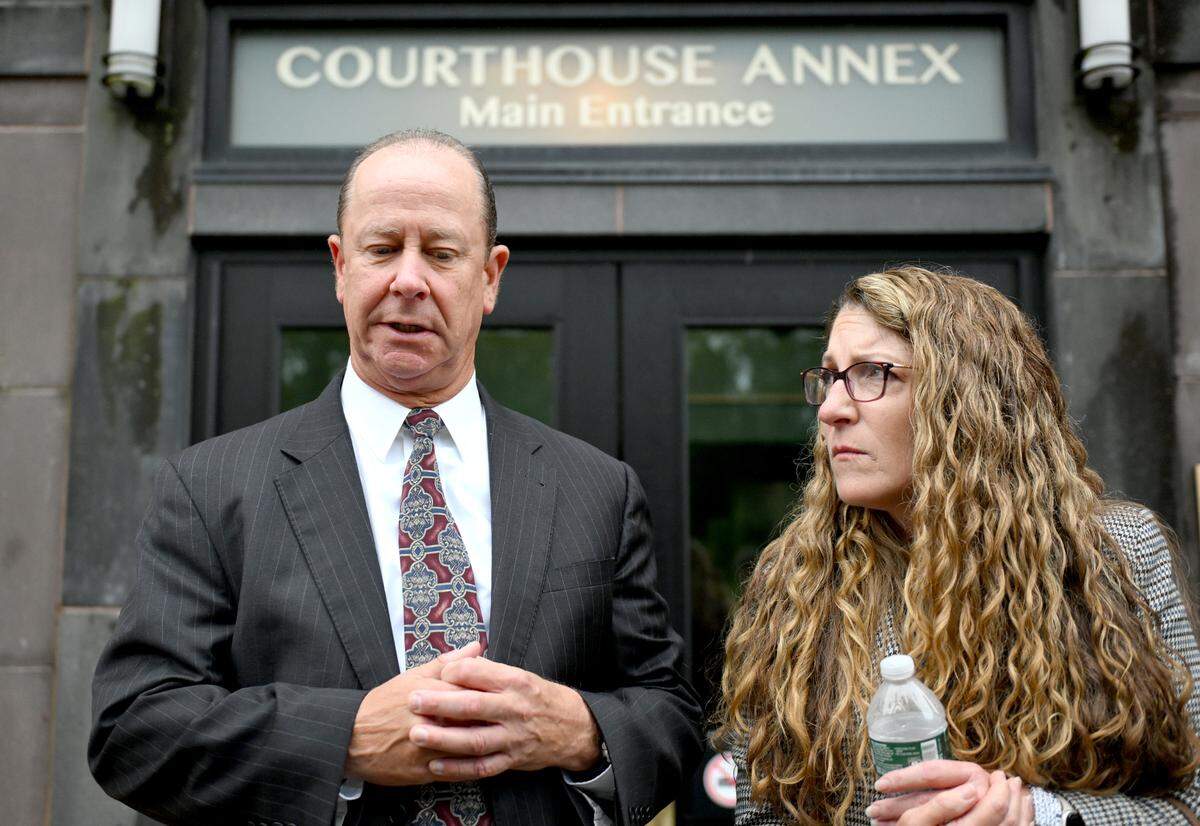
Centre County Judge Brian Marshall ruled in December 2021 the university had the right to repurchase the property because of a clause in a 1928 deed. His ruling was upheld by the state Superior Court two years later.
Abbey, a former Penn State football player turned CEO of a real estate business in California, has sought repayment of the millions he loaned the fraternity for renovations. His lawsuits claim he only loaned the money because the university said in a 2005 email that it had “no intention of taking over your house.”
“Despite repeatedly assuring Abbey that it did not have the legal right or intention to take over the subject property — which assurances Abbey relied on in making the loans — Penn State now seeks to force a discounted sale of the property,” Abbey’s lawyers wrote in one of his lawsuits.
Under an August ruling from Marshall, the price at which Penn State can repurchase the property is to be determined by a pair of arbitrators.