‘New era in astronomy.’ Penn State helps develop world’s most powerful survey telescope
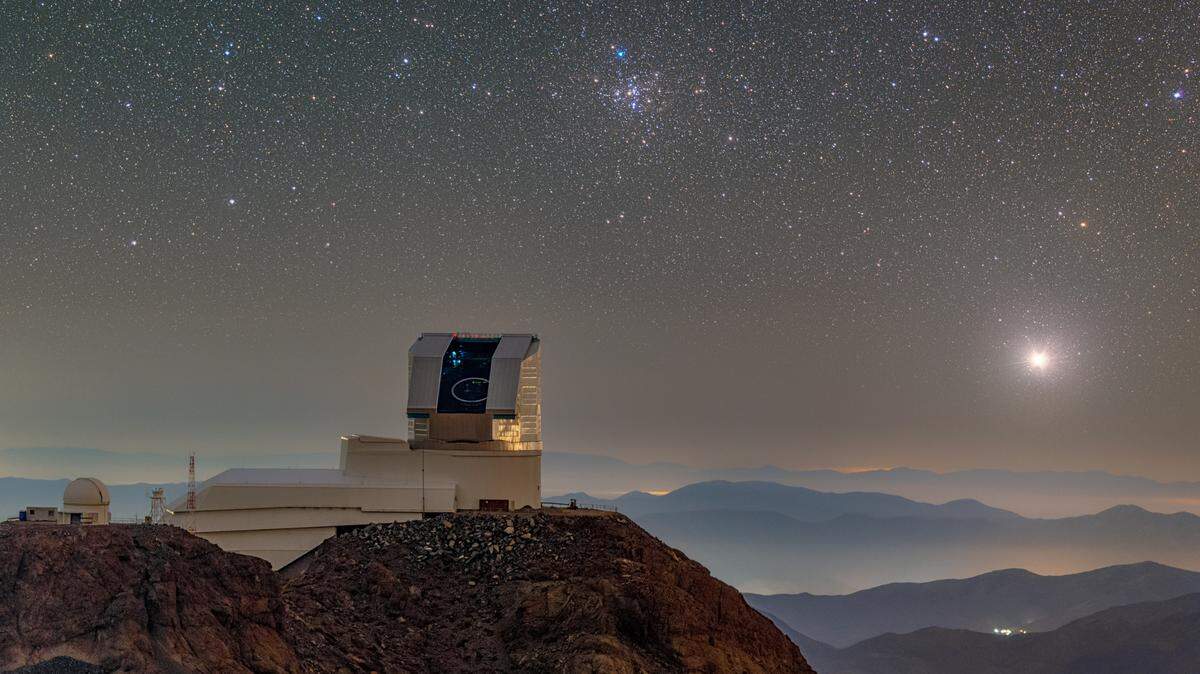
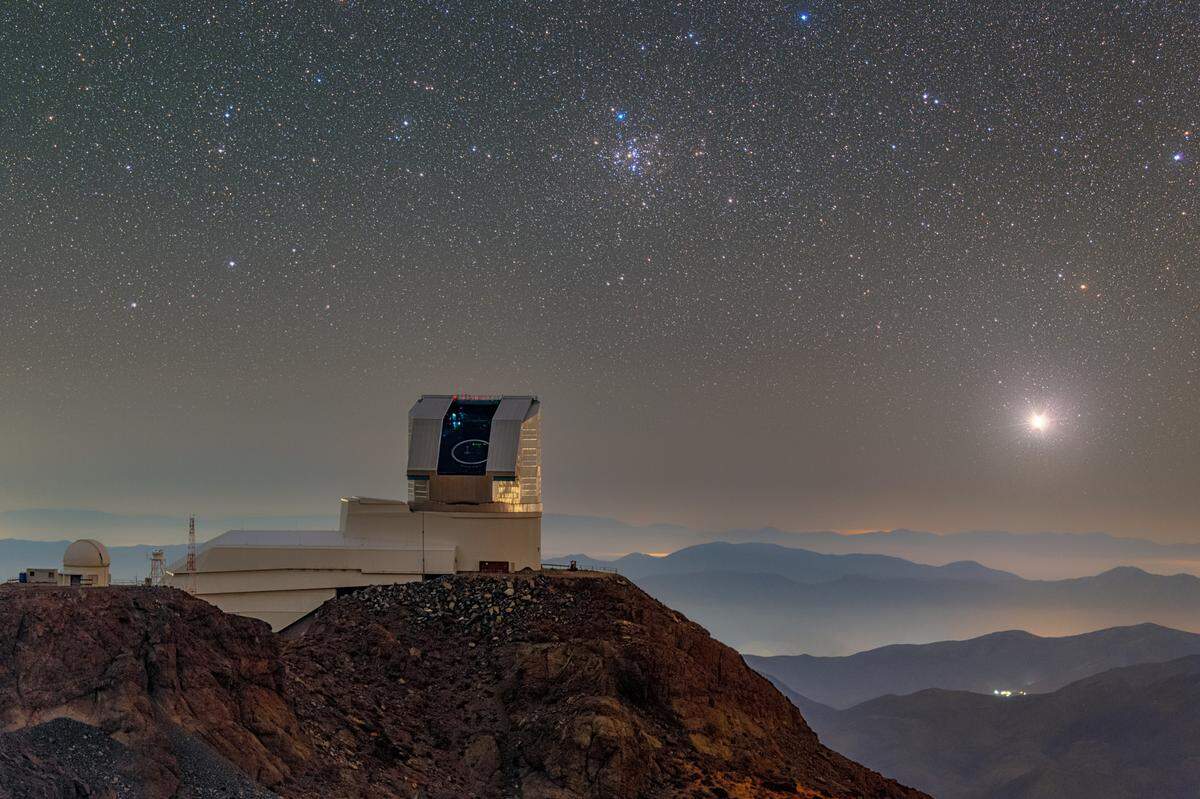
Professors at Penn State helped develop the world’s most powerful survey telescope, which released its first images earlier this week from the Vera C. Rubin Observatory in Chile. The images capture cosmic phenomena at an “unprecedented scale,” the observatory said in a press release.
For the next 10 years, the observatory will conduct the “Legacy Survey of Space and Time,” an international project to create an ultra-wide, ultra-high-definition time lapse record of the universe, a release from Penn State says. The university has been an LSST member institution since 2005, and faculty members have had roles on the LSST board and other committees and collaborations.
Donald Schneider, distinguished professor of astronomy and astrophysics at Penn State and the university’s representative on the LSST-Discovery Alliance Institutional Board, has been interested in this project since he first heard about it around 2000. J. Anthony Tyson, now the Rubin Observatory LSST chief scientist, came up with the general concept of a telescope that could take deep pictures of the entire sky every night to look for things that moved, changed in brightness, and other aspects, Schneider told the CDT. Penn State joined the collaboration and had roles in both the science collaboration and in project management, he said.
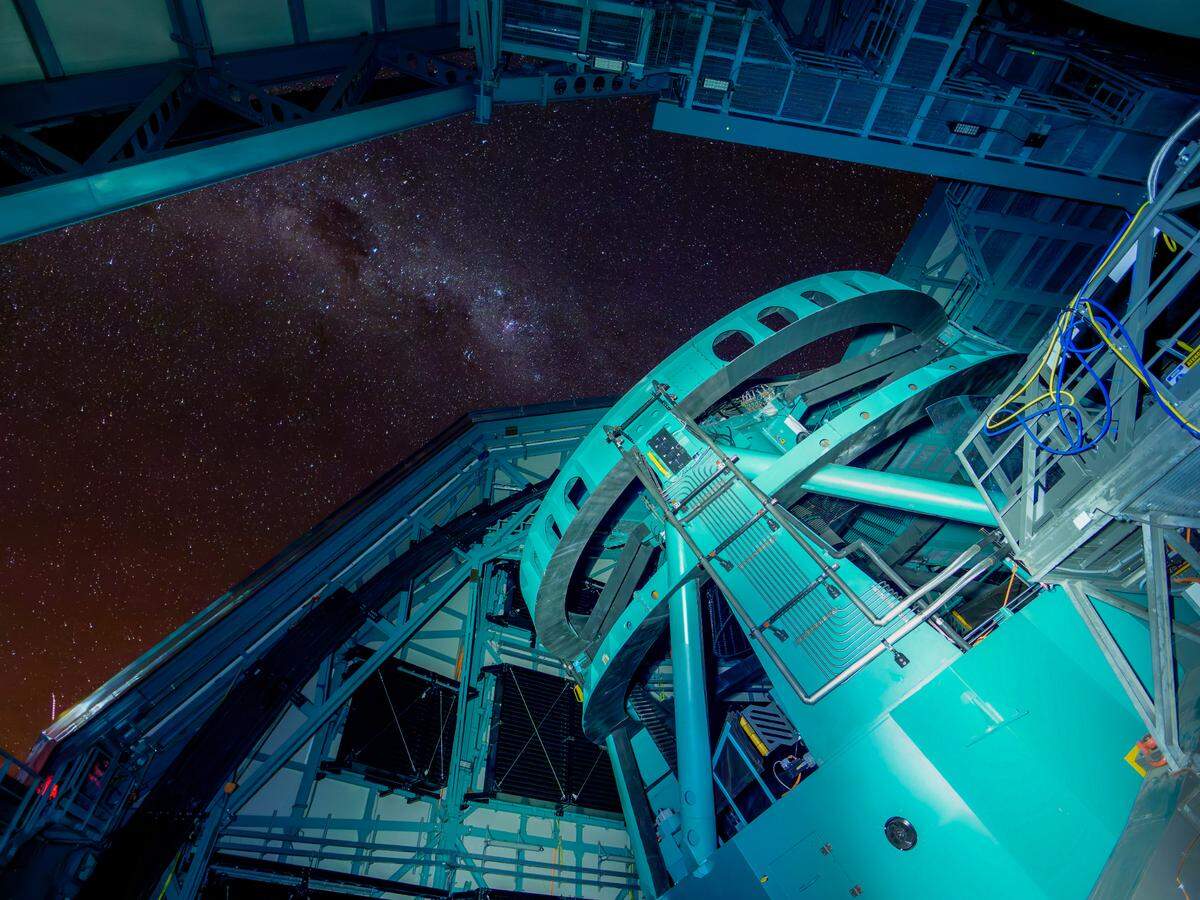
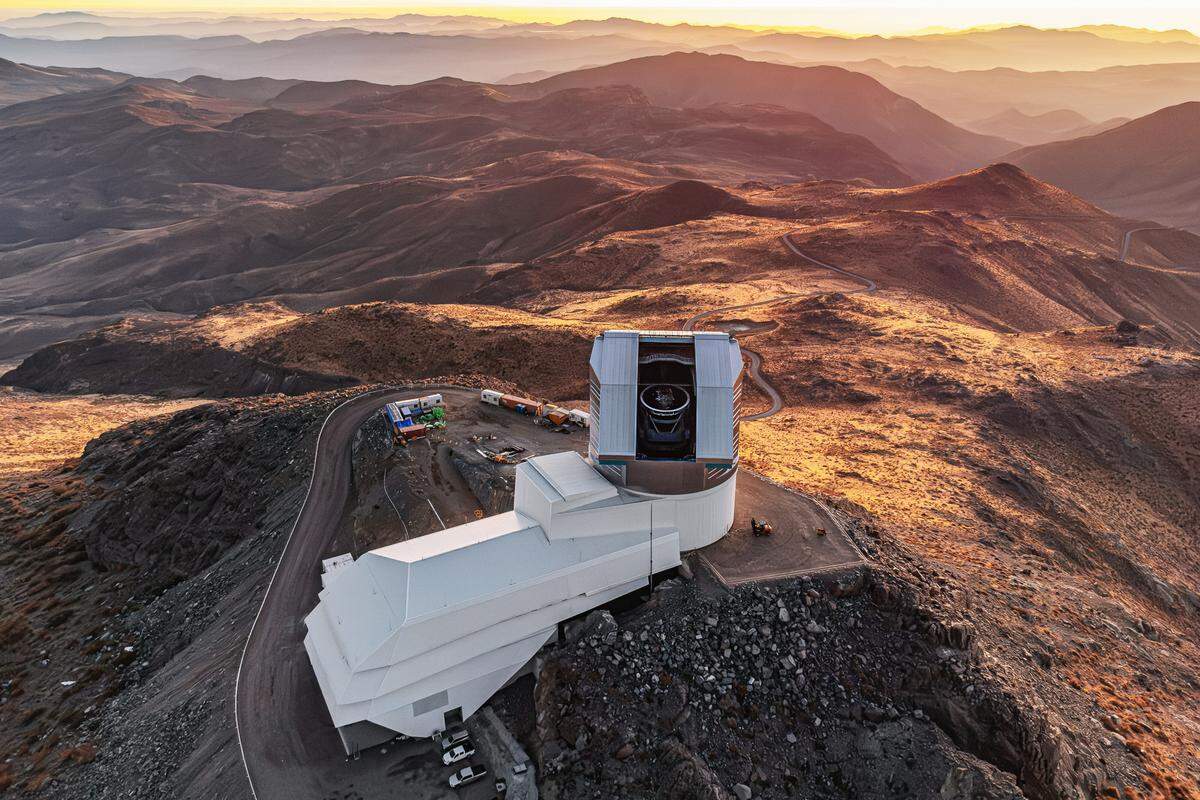
The Rubin Observatory on the Cerro Pachón mountaintop in Chile uses a 3,200-megapixel camera the size of a car to scan the entire visible southern sky every three to four nights.
“The sky will be imaged in six different filters covering the range from blue to near-infrared light. By stitching the resulting clips together, the LSST collaboration will produce the most detailed time-lapse view of the cosmos that has ever existed,” the university said in a release.
W. Niel Brandt, the Eberly Family Chair in Astronomy and Astrophysics (and professor of physics at Penn State and co-chair of the LSST Active Galactic Nuclei Science Collaboration), said in a release between the impressive camera and the wide field of view, the Rubin Observatory will “launch a new era in astronomy.” It will allow them to better detect real-time changes in the sky and rare events, he said.
Schneider said the telescope has a large mirror, about 320 inches across, so it can gather a lot of light and detect very faint objects over a large part of the sky.
“You’ve heard of the James Webb and the Hubble Space Telescope, they can go very deep. They can actually go deeper than the Rubin telescope can, but only over a tiny fraction of the area,” he told the CDT. “So, when the Rubin takes a picture, it takes 45 full moons. … Every time it takes a picture, it takes that much sky. With the Hubble Space telescope or the James Webb, it’s just a tiny fraction of the moon that they can take a picture of.”
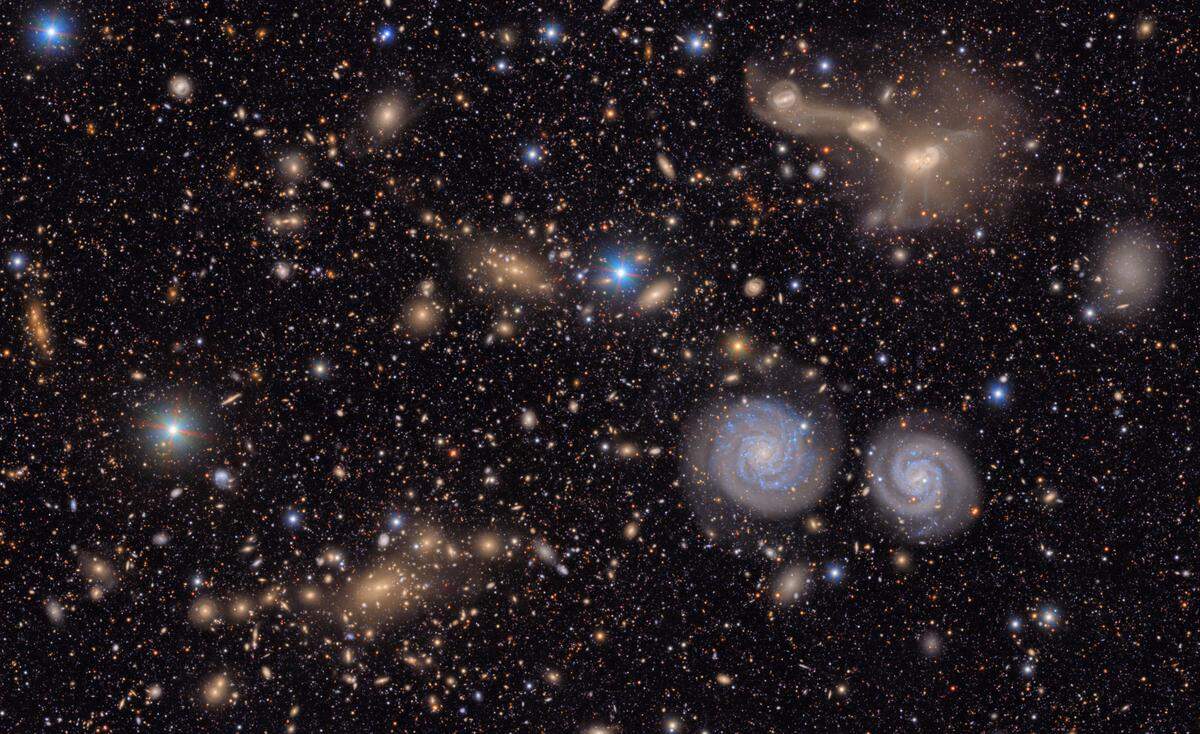
The first pictures released on Monday were “spectacular,” Schneider said. Looking at a picture on your TV or computer screen doesn’t give the full effect because there aren’t enough pixels, so the image is super compressed.
“It’s just so compressed, there aren’t enough pixels on the TV to show what the picture does. They’re 3.2 billion pixels … your eye just can’t grasp it, and the TV just can’t display it. You need something the size of a basketball court to display it,” he said. “It takes seven of those pictures every minute throughout the night, so you can imagine how many basketball courts you would have to rent in order to display a night’s worth of data.”
The facility is jointly funded by the U.S. National Science Foundation and the U.S. Department of Energy’s Office of Science. Brian Stone, performing the duties of the NSF director, said in a press release the Rubin Observatory will “capture more information about the universe than all optical telescopes throughout history combined.”
The telescope was designed with many science programs, but one that may be particularly interesting to the public is about near-earth asteroids. Schneider said they know where the big asteroids are, but there are still rocks out there that he thinks are the size of a football field or larger. If one of those hits earth, it would be a bad situation, so Schneider said they need to be able to track them so they can find them early and adjust their orbits.
When the first images from the telescope were released this week, he said one thing that impressed him the most was a chart that showed all of the new asteroids they discovered from just one picture.
The data gathered during the survey will be public, so you don’t need to be a professional astronomer to learn from the project.
“There’s a great opportunity for amateur astronomers, or just people that are casually interested in astronomy, or high schools, for example,” he said. “It would be great lab experiments. You know, you get your part of the sky, what’s there? What’s interesting? So I’m very excited by this opportunity.”