Thousands sign Penn State’s petition in support of federally funded research
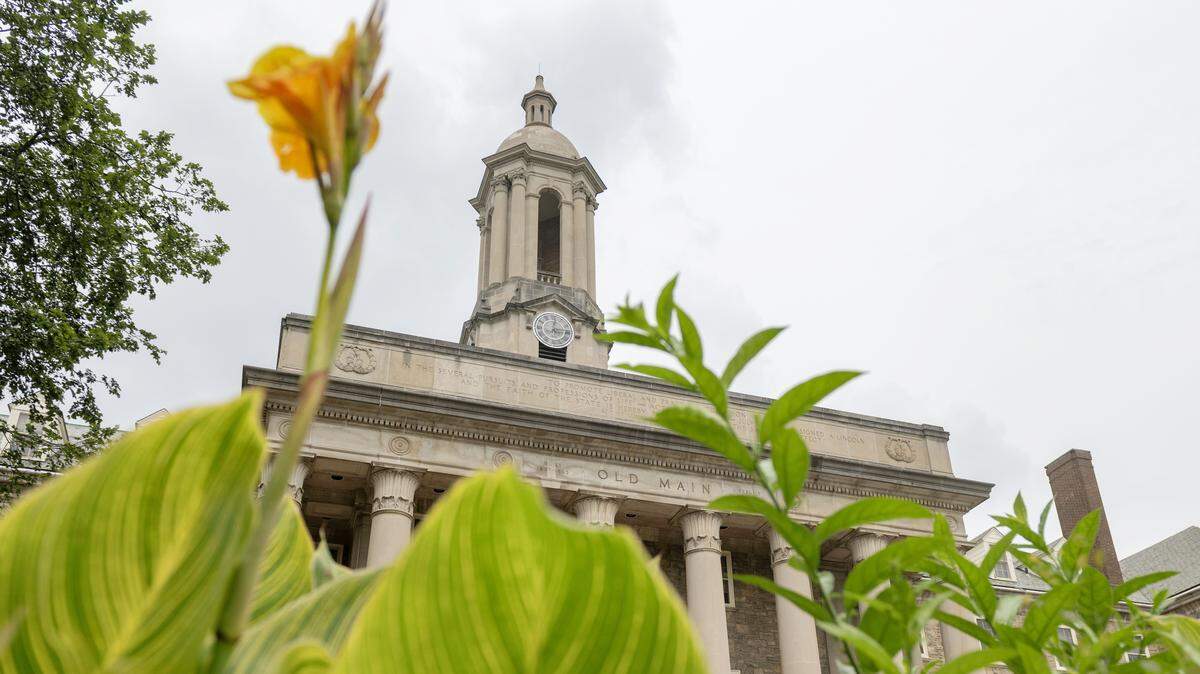
As federal funding for research continues to be under attack, Penn State has launched a petition to support such investments that lead to real world impact.
Researchers at Penn State work on a number of solutions to some of the “toughest problems facing our nation,” the university wrote in a news article Thursday, adding that can’t continue without investment from the federal government.
“A petition launched by Penn State invites the University community to support continued federal investment in research that plays a vital role in life-changing solutions, powering economic growth across the commonwealth and beyond, and driving transformational discovery,” the article states.
The petition already has more than 4,500 signatures. It can be viewed and signed at psu.edu/supportresearch.
“For decades, federally funded research projects have made our nation safer, stronger, and more prosperous. Cutting that funding now would put all of this at risk, as well as America’s standing as a global leader,” the petition states, which is addressed to members of the U.S. Congress. “Research is not a luxury. It’s how America leads.”
Andrew Read, senior vice president for research, said in the article that the impact of research can be seen all around, like in life-saving medical treatments, the food we eat and the phones we use. Signing the petition will help Penn State in its mission to serve students and people across the state, Read said.
The university, as well as other research institutions across the country, has already seen research funding decline between grant terminations, award slowdowns and proposed federal agency cuts since President Donald Trump started his second term in office. In May, Penn State said while it had not been impacted as heavily as some of its peer institutions, it still lost 45 federal grants and about $10 million in funding as the federal government canceled research grants at institutions.
A proposed 15% cap on facilities and administrative costs associated with research grants would result in a $90 million annual loss in research infrastructure support at the university, the article states.
Last month, the Chamber of Business and Industry of Centre County joined the Business for Federal Research Funding Coalition, a growing nationwide alliance of business organizations and chambers of commerce, as part of an effort to advocate for maintaining and increasing federal funding to research.
Greg Scott, CEO and president of CBICC, previously said their participation ensures the county is represented in “high-level budget conversations” and that the region benefits from research.