Penn State trustees approve bylaw changes that further limit media interactions
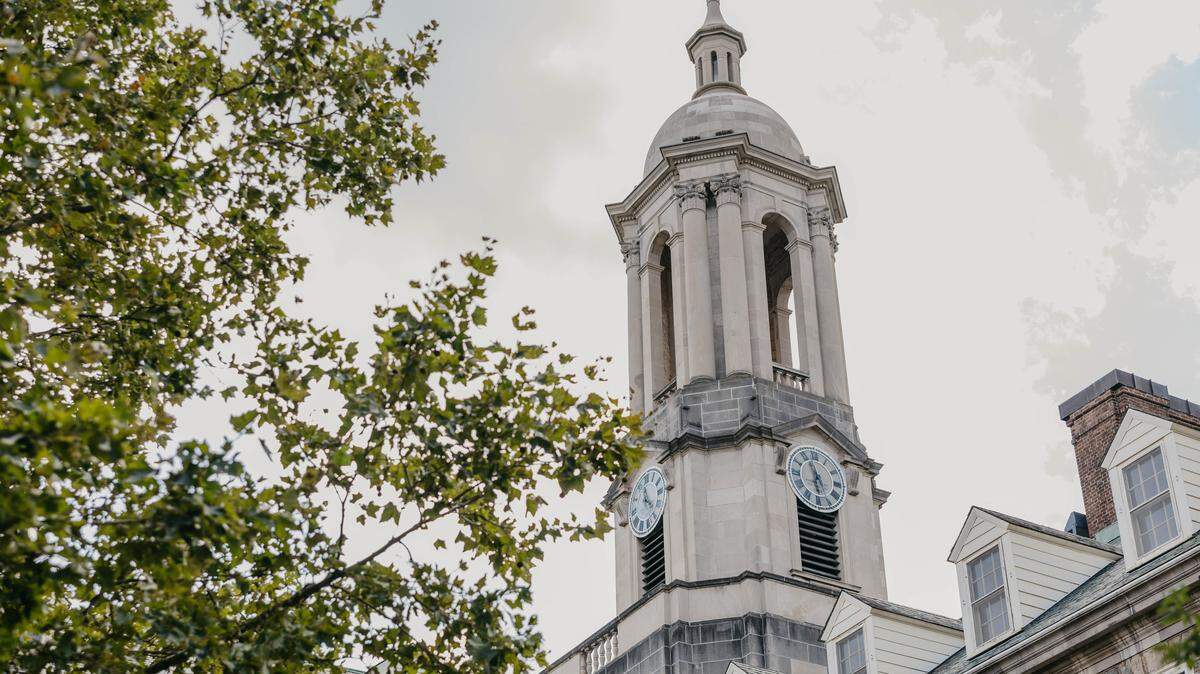
The Penn State trustees approved revisions to their bylaws, including eliminating the option for write-in trustee candidates and further limiting trustees from speaking to the press.
The governance committee approved the changes Thursday and the full board voted on the matter during its meeting on Friday.
A change to the bylaws states trustees “shall coordinate all media and press interactions relating to matters that have come before the Board with the Board Office in advance and shall respect guidance regarding such interactions that might be conveyed by that Office or the Office of Strategic Communications.” The bylaws previously said trustees had to coordinate media interviews and press statements with the board office, who then could work with strategic communications. That rule came when the bylaws were last updated roughly a year ago.
Another sentence of the bylaws states trustees “shall be cognizant of their special roles and fiduciary responsibilities” in interactions with students, faculty, staff, and university-affiliated groups. A proposed change adds “press and media” to that list.
During the full board meeting on Friday, Trustee Anthony Lubrano was the only vote in opposition to the changes.
“I don’t think what we’re suggesting here is best practices, particularly around the notion that our speech be limited any more than it already has been limited,” Lubrano said. “I voted no previously to the changes we made and I stand in continued support of that position.”
Thursday was the first time trustees publicly reviewed the proposed changes, and there was little discussion among committee members. The committee has had at least two executive sessions about the bylaw changes.
Tabitha Oman, vice president and general counsel sat Penn State, said a line was also added so the bylaws clearly state trustees are encouraged to debate their views during a board meeting.
“A public meeting is a very appropriate place for vigorous debate, no limitations based on what members of the public or press are present,” she said.
Although they’re encouraged to debate during meetings, the bylaws state “external communication of an individual Trustee’s views can be misconstrued to be an expression of the Board’s position as a whole and Trustees should make diligent efforts to avoid such misunderstandings.”
Changes to board elections
Revisions to the elections appendix to the bylaws includes adding a section that states candidates who did not complete the requirements determined by the board office are ineligible to be nominated or elected. Therefore, write-in candidates are not allowed.
A revision would add a review of the candidate’s social media and online presence as part of the background check process.
A number of changes were made to the section outlining trustees emeriti status, which states the role of a trustee emeriti will be an honorary title for any board member who served for at least nine years (a change from six years) with distinction, Oman said. Moving forward, that role will no longer involve an active role in the work or meetings of the board, she said.
The bylaws were last updated in July 2024. The controversial changes gave existing board members more say over who can be on the ballot for alumni-elected seats, created a code of conduct for trustees and more.
The bylaws have been a point of contention for some, including former trustee Barry Fenchak, who was removed from the board this past summer for code of conduct violations after a court battle.
Fenchak previously filed a lawsuit against the university that alleged the trustees adopted unconstitutional bylaws to silence dissent and unfairly targeted him for his critical questions. Centre County Judge Brian Marshall found the governing rules — which require trustees to support majority decisions and not publicly criticize the university — represent a “right to self-governance.” He dismissed Fenchak’s lawsuit with prejudice, meaning it cannot be refiled.
After the board said he was unqualified to appear on the ballot for reelection, Fenchak ran an unsuccessful write-in campaign.
This story was originally published November 6, 2025 at 6:51 PM.