
How Penn State international students are navigating uncertainty, ICE concerns
AI-generated summary reviewed by our newsroom.
- Penn State says it's unaware of ICE activity; students report rising fear.
- Visa revocations and enrollment drops spur calls for clearer university assurances.
- University offers resources; students seek stronger public assurances and legal aid.
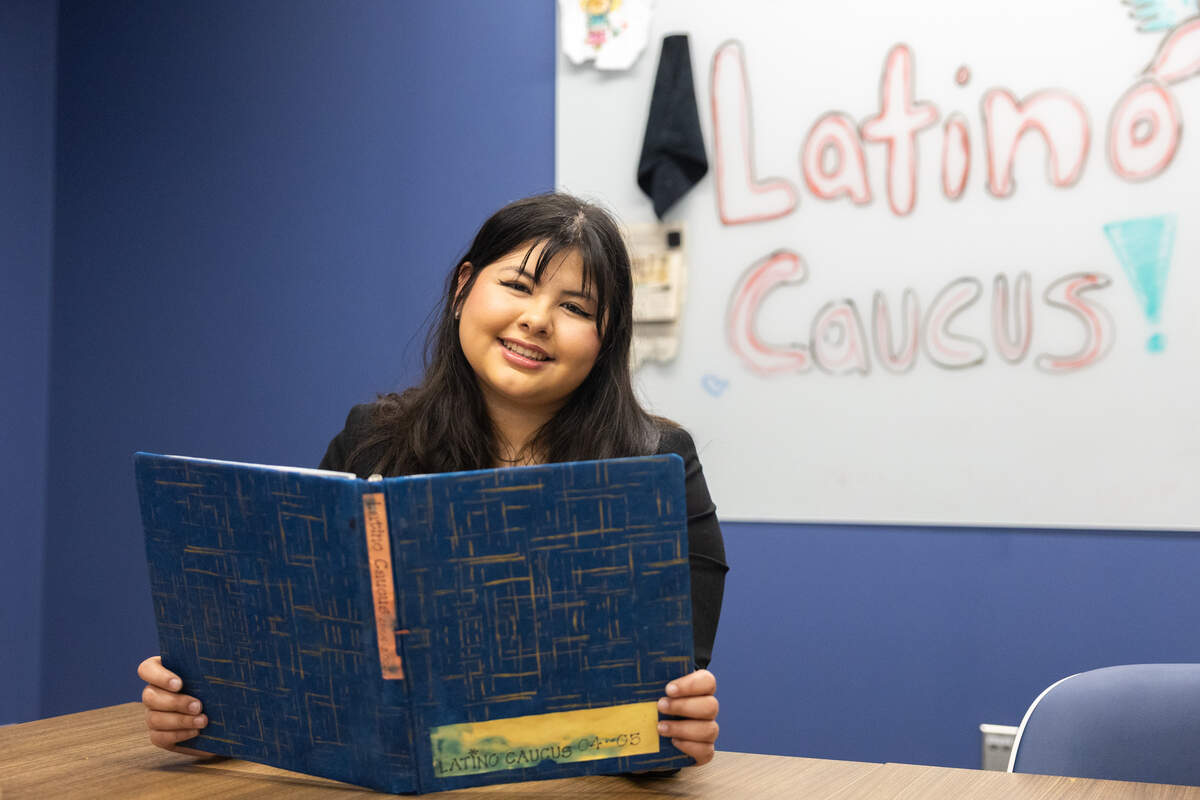
In the past year, some Penn State international students started carrying their passports around campus, a new reality that Maria Lopez, vice president of the university’s Latino Caucus, said became clear to her as the nationwide immigration crackdown intensified.
Lopez said she advises students to carry their passport even when they have citizenship as a way to help give peace of mind amid widespread uncertainty.
“I completely understand that fear,” Lopez said. “As somebody who lived in Peru most of my life, yet I am privileged to be an American citizen ... I know that it is my duty, since having that privilege, to look after those people.”
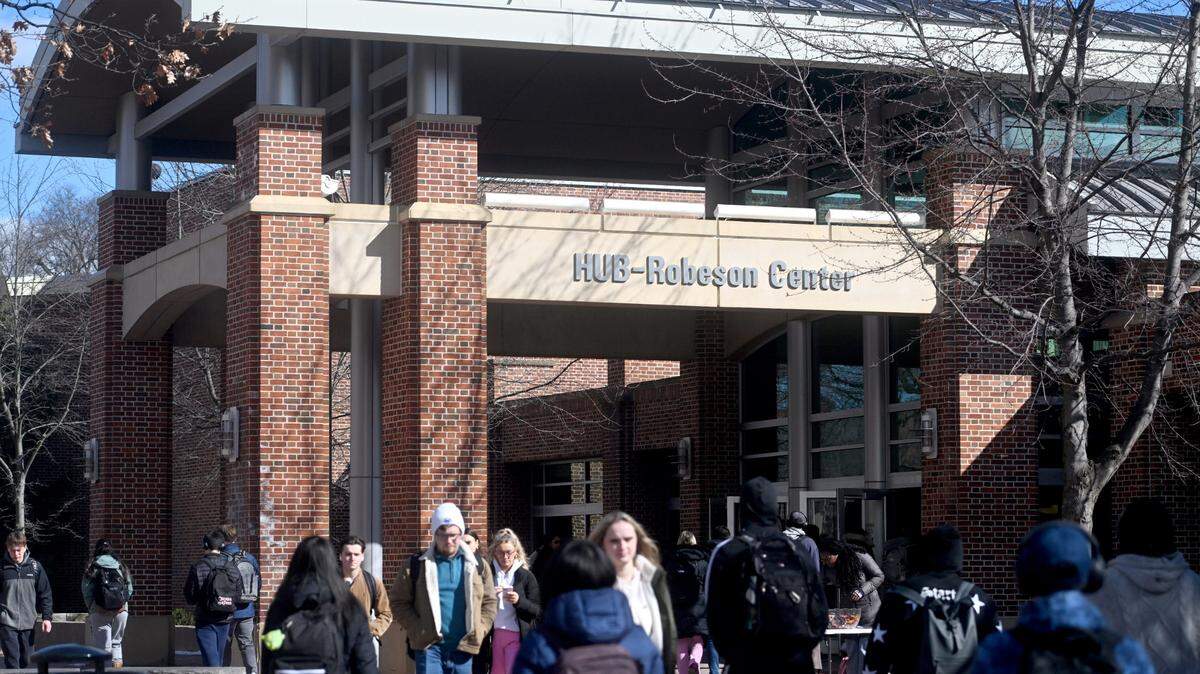
The university is not aware of any ICE activity on any of its campuses, spokesperson Wyatt DuBois told the Centre Daily Times in a recent email. But with visa revocations rising and immigration raids expanding across the country, Penn State’s international students are grappling with uncertainty while pressing university leaders for reassurance about what would happen if ICE came to campus.
The Department of State has revoked the visas of about 8,000 foreign students since the start of President Donald Trump’s second term, Insider Higher Ed reported, and Penn State has not been immune. In April 2025, at least 25 Penn State students had their Student and Exchange Visitor Information System (SEVIS) status revoked. The visas were later reinstated due to a Trump administration policy change, but several international students told the Centre Daily Times that the situation sparked fear that has not gone away.
The students had not been convicted and were in diversion programs, mostly due to retail theft, Centre County District Attorney Bernie Cantorna said at the time.
About 9,000 international students are enrolled at the university, but that number decreased by 523 students in 2025. In an October news release about the enrollment numbers, the university cited “larger trends and pressures” that have impacted many universities, likely pointing to actions taken by the Trump administration, including delaying visa processing, travel bans, the threat of deportation and more.
State College Mayor Ezra Nanes said he is concerned about continued impacts on international student enrollment.
“Students come here to seek education and connect with people from different cultures, and they should not be afraid while they are here doing that,” Nanes said. “Campuses are supposed to be environments of intellectual curiosity and free expression, that’s something that people even in this (Trump) administration have said is important.”
Penn State remains committed “to recruiting and enrolling a robust class of international students,” DuBois said.
“Their presence on campus, in and out of the classroom, greatly enriches the Penn State experience for all, with the diversity of thought, culture and experience that they bring with them,” he wrote. “Their contributions have a significant impact on the University — and all of those who work and study at Penn State — as well as in the local communities around our campuses.”
International students face growing concerns
Prithvi Saha, a third-year student from India, said he knew of international students that had their visas revoked last spring and began to fear for the safety of himself and his peers. Since then, Saha has become more aware of ICE raids and concerned about what will happen if they take place on campus.
“There isn’t any basis to what (ICE) confirms if someone is a civilian or an immigrant or international student, they just go suspecting based on how someone looks,” Saha said.
Nanes said he is particularly worried about ICE agents carrying out a more “militarized” style of raid on campus.
“That is a great concern and I feel confident saying that there are very many people who would not welcome that kind of incursion into the community,” Nanes said.
Two international students from Italy and Dubai who requested to remain anonymous due to fear of retaliation from the U.S. government said they’re committed to staying at Penn State and are prepared to show their paperwork to federal agents if asked.
“We’re not citizens, we don’t have the right to say anything (about) the politics of the United States, because we’re foreign,” the student from Dubai said. “We understand our place, we just don’t want to overstep.”
Lopez said most international students she knows also plan to finish their studies in State College rather than go back to their home countries.
“Their main goal and their main priority always aligns within finishing their degree, doing their best they can to complete their studies in the U.S., and then plans afterwards ... being always hopeful that they can stay,” she said.
Students ask for more support from Penn State
Saha questions how the university would react to possible ICE raids and said there’s been a limited response from university leaders.
“Being an international student, I have no idea to what extent we would get legal support or any support from even university police or what kind of authority they have against ICE,” Saha said. “It definitely becomes a point of concern, but I feel like the university could definitely do more to make students feel safe or at least aware of what to do in these situations.”
After the visa terminations last April, Tracy Langkilde, then-interim executive vice president and provost, addressed the situation in a community letter and offered support to the community. Since then, there have been few public statements from university leadership about international students or potential ICE activity.
DuBois wrote in an email that Penn State Global “is in contact with our international community to provide information, support and resources.” He pointed to two websites that provide updates, including resources from Penn State Global and the university’s community updates on federal actions page.
“Our Penn State campuses are comprised of public and private spaces,” the university’s guidance reads. “If you are approached by ICE or other federal law enforcement officers on campus, please alert University Police at 814-863-1111. You should remain calm and ask for identification. If the officer produces identification and a signed warrant, you must comply with their orders. You do, however, have the right to remain silent. Bystanders should not attempt to interfere with the actions of the federal law enforcement officers.”
But Lopez, of Penn State’s Latino Caucus, said international students want a statement from the university to feel assured that they’d be protected if there were an ICE presence on campus.
“You can be a brilliant student, you can be involved, and you can be a hardworking person. However, when you have these constant thoughts in the back of your head, that you don’t know what’s gonna happen and that some people are breaking the law when it comes to warrants then that definitely causes fear and anxiety,” Lopez said.
There has also been tension across campus over the past year, including a recent flyer that depicted an ICE agent being hung, sparking condemnation by the Penn State College Republicans and the university itself.
A number of anti-ICE protests have been held in the area, some related to Pennsylvania’s largest immigration center. The Moshannon Valley Processing Center is located roughly 40 minutes from State College, which Saha said creates a sense of fear and awareness of ICE presence for him and other international students.
“I think that in times like this, it is the university’s responsibility to do its best to protect international students and anybody who could be in a situation where they feel alone and they feel scared,” Lopez said.