Pa. lawmakers question Penn State funding request after campus closure decision
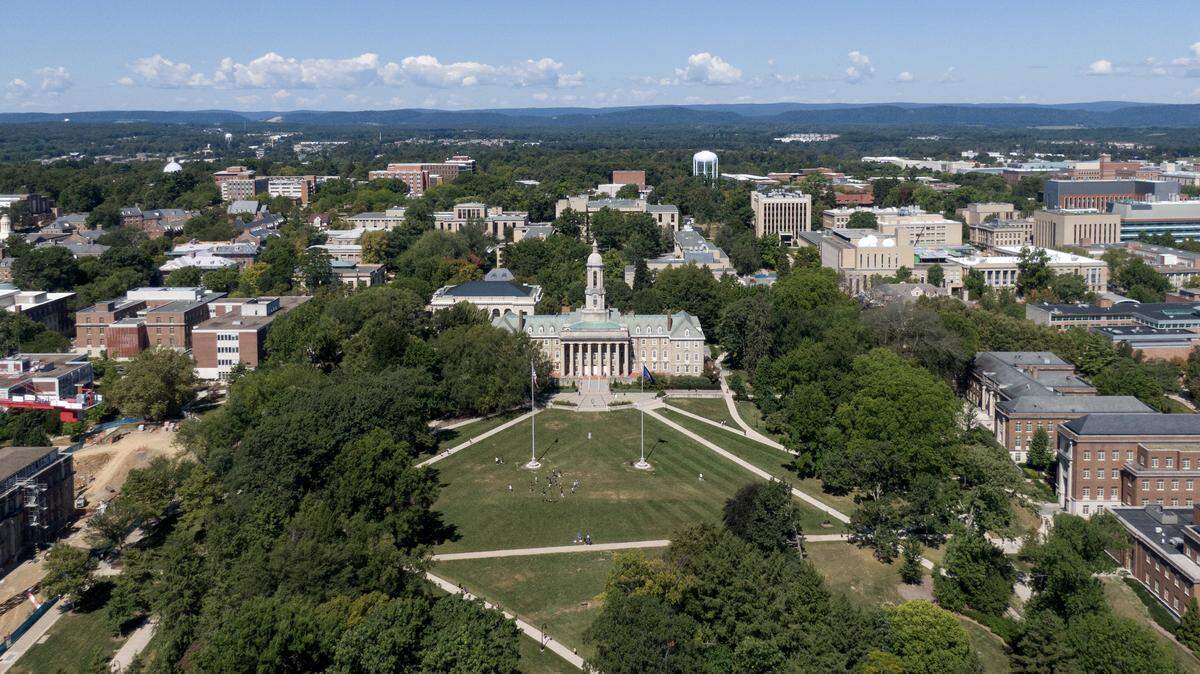
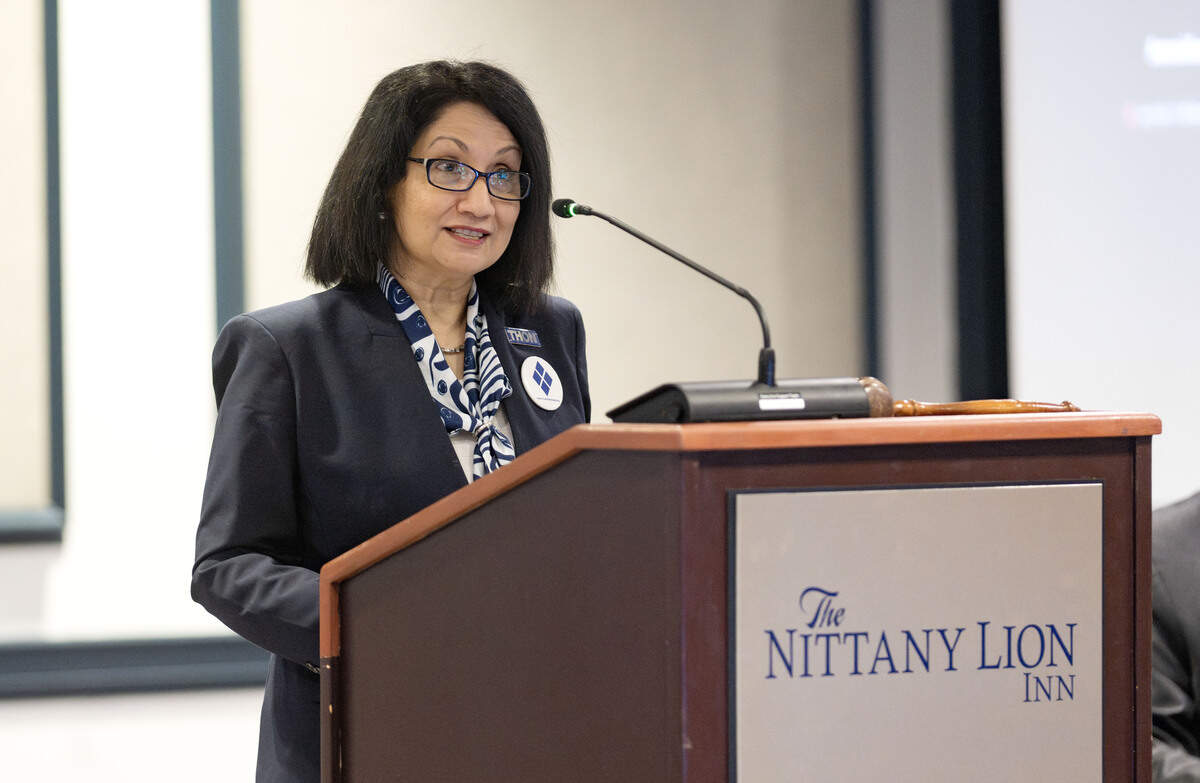
Penn State President Neeli Bendapudi testified in front of the Pennsylvania House Appropriations Committee on Wednesday, alongside presidents of other state-related universities, and advocated for additional funding for the university.
For about three hours, Bendapudi and other university leaders — Lincoln University President Brenda Allen, Temple University President John Fry and Pitt Chancellor Joan Gabel — fielded questions from state legislators about funding, tuition, campus closures, workforce readiness, artificial intelligence, rural health and more.
Legislators frequently pointed to the same topics when addressing Bendapudi, such as tuition rates, closing campuses across the state and requests for more funding. The Penn State board of trustees in September approved requesting $410 million, an increase of $59 million, in total funding from the state for 2026-2027, with plans to avoid an undergraduate tuition increase for 2027-28 if it is received.
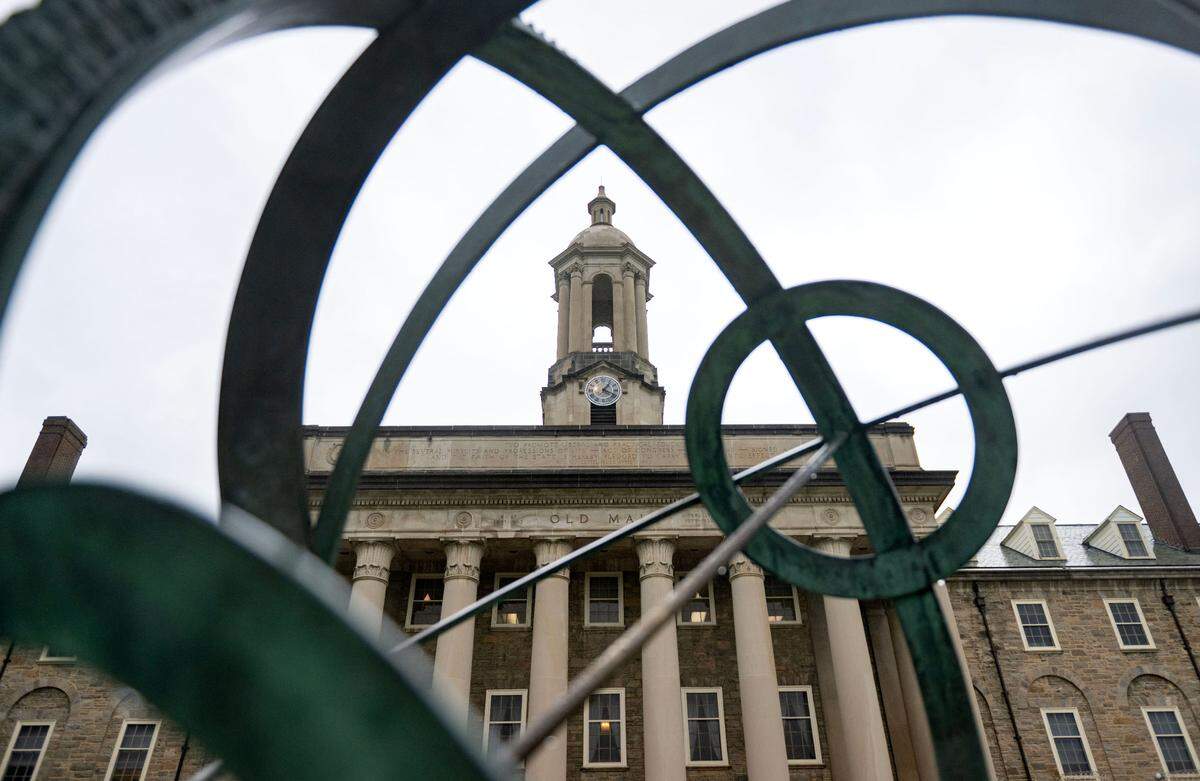
But some representatives found requesting an increase of state funding to be at odds with Penn State’s plans to close seven commonwealth campuses. Last May, the board of trustees voted to close the DuBois, Fayette, Mont Alto, New Kensington, Shenango, Wilkes-Barre and York campuses after the 2026-2027 academic year, often citing declining enrollment, poor financials and minimal room for growth. How the campuses will be used after they’re closed is still being determined, and the university has not provided much detail about it publicly.
Funding and Tuition
Penn State has not received an increase in general support appropriations since 2019, Bendapudi said, and the state funding has remained largely unchanged since the early 2000s.
“I would note that unadjusted for inflation ... Penn State’s general funding now is less than it was in the year 2000. So think about the inflation that has occurred over the last 26 years,” Bendapudi said in her opening remarks. “If Penn State’s allocation had simply kept up with inflation from the year 2000 on, today, our appropriation would be more than $450 million. So we get about $200 million less than if we had just kept up with inflation.”
Another hurdle Penn State faces is that it gets less funding per student than PA State System of Higher Education schools, Pitt and Temple, something that Bendapudi said is “untenable” for the university, and urged the lawmakers to begin closing the gap.
State Rep. Marla Brown, R-New Castle, compared Penn State’s tuition to other public Big Ten universities; she said Penn State has the highest tuition of those universities and questioned why that is the case. She compared it to Ohio State, saying the Ohio land-grant university does receive more per-student funding, but the difference in tuition is larger than the state funding per student. Bendapudi pointed to the decades of state funding that did not keep up with inflation, deferred maintenance and that Penn State has a presence in all 67 Pennsylvania counties, which is not the same as Ohio State.
Pennsylvania Gov. Josh Shapiro’s proposed budget includes flat funding for the state-related universities, something state Rep. Zach Mako, R-Walnutport, said concerned him. Each university requested an increase of funding — Penn State requested an increase of $49 million — and Mako asked what kind of pressure flat funding would put on the universities’ budgets and if it could lead to tuition increases.
Penn State has a two-year budget model, so its budget has already been approved by its trustees. In Bendapudi’s opening statement, she noted that if the full funding request is approved, the university will commit to freezing tuition for all students, at all campuses, for the 2027-28 academic year.
If Penn State received more state funding, it could further reduce tuition, invest more into programs where students can be in the community, and attract more industry, Bendapudi said in response to a question from state Rep. Joe Webster, D-Collegeville.
Shapiro’s proposed budget also includes $30 million for a performance-based funding model, which Bendapudi has long advocated for.
“I have been a strong proponent of performance-based funding everywhere I’ve been, because it ties the goals of the Commonwealth, U.S. stewards of taxpayer dollars and our mission and what we are trying to do. So very, very supportive of it,” she said. “First we need to get the funding, then we need to make it truly performance-based. And I’m very proud of the bipartisan work that was done.”
Commonwealth campus closures
A few questions about Penn State’s decision to close seven of its commonwealth campuses were posed to Bendapudi throughout the hearing.
Republican state Rep. Charity Grimm Krupa, who represents parts of Fayette County in the 51st district, said it was “super hypocritical” that Bendapudi is talking about the state investing in Penn State when it’s closing a number of campuses — a move she said is a departure from Penn State’s land-grant mission.
“At the same time Penn State is closing campuses like Fayette, the university is asking taxpayers for more money than ever before,” Grimm Krupa said. “… And yet, while asking taxpayers for more funding, the university has approved hundreds of millions in discretionary spending, including ($700) million in a stadium renovation, tens of million paid to a football coach to walk away from his job and a seven-figure salary increase for you in the role of university president.”
She continued: “I think it’s reasonable for taxpayers to ask, if there is money for all that, why is there suddenly no money to keep our rural campuses open? Beyond the financial decisions, what concerns me is also the lack of transparency and accountability surrounding these closures.”
Bendapudi tried to again stress that athletics has a separate, self-sustaining budget from academics, and not a single dollar of state appropriations or student tuition (or fees) goes toward athletics projects, but Grimm Krupa interrupted her, calling it a “shuffle game.” She asked Bendapudi if Penn State will keep a physical footprint in Fayette County, namely with the nursing program. Bendapudi said a final decision has not been made and a three-person team has been looking at each campus to figure out next steps.
State Rep. Chad Reichard, a Republican from Franklin County, has the Mont Alto campus in his district.
“(In a blog post), you mentioned that Penn State is a gateway to opportunity, but it looks like that gateway is being closed at the seven universities. How do we reconcile that as we’re going through the appropriations process? How do we reconcile appropriating money to Penn State for this mission when it’s being discontinued at seven campuses?” he asked.
Bendapudi said there’s no denying how painful the closure is to the community, and it was a very difficult decision to make. A team of university leaders — including the vice president for commonwealth campuses, the vice president for government and community relations, and members of the board of trustees — are actively working with the communities, like Mont Alto, to find alternative uses of the campuses. More information on future uses will be announced in the coming months.
State Rep. James Struzzi, chair of the appropriations committee, had concerns about lack of transparency with the campus closures and moving forward with using taxpayer dollars for higher education. He said he was offended when during last year’s appropriations hearing in February, he was told campuses wouldn’t close, but then a few days later, Penn State announced some would close. Bendapudi explained the timing, and said she told the committee “all options are on the table” when asked if campus closures were being considered.
“The challenge for me was, our board meeting was the 20th and 21st. Until the board met, I could not get ahead of them because everything has to be approved by them. At that time, the board agreed the 12 campuses would be under review. So I could not get in front of them,” she said. “Once they started on the 25th, I believe, of February, was when they said what the 12 would be, that we would actually be reviewing. So that was the dilemma of the timing. Because, truly, I cannot say what is going to happen until all of my bosses vote on it.”
State Rep. Emily Kinkead, a Democrat from Pittsburgh, said Penn State previously made a commitment to the Teamsters union members at closing campuses to find them comparable jobs at campuses remaining open, but as of January she said 45 people were still without an offer. She asked if that has been addressed and how many still remain without an office.
Bendapudi said she didn’t have that figure with her but conversations with Teamsters are progressing “productively.”
This story was originally published March 12, 2026 at 6:01 PM.