
Judge hears arguments from NCAA, Paterno estate
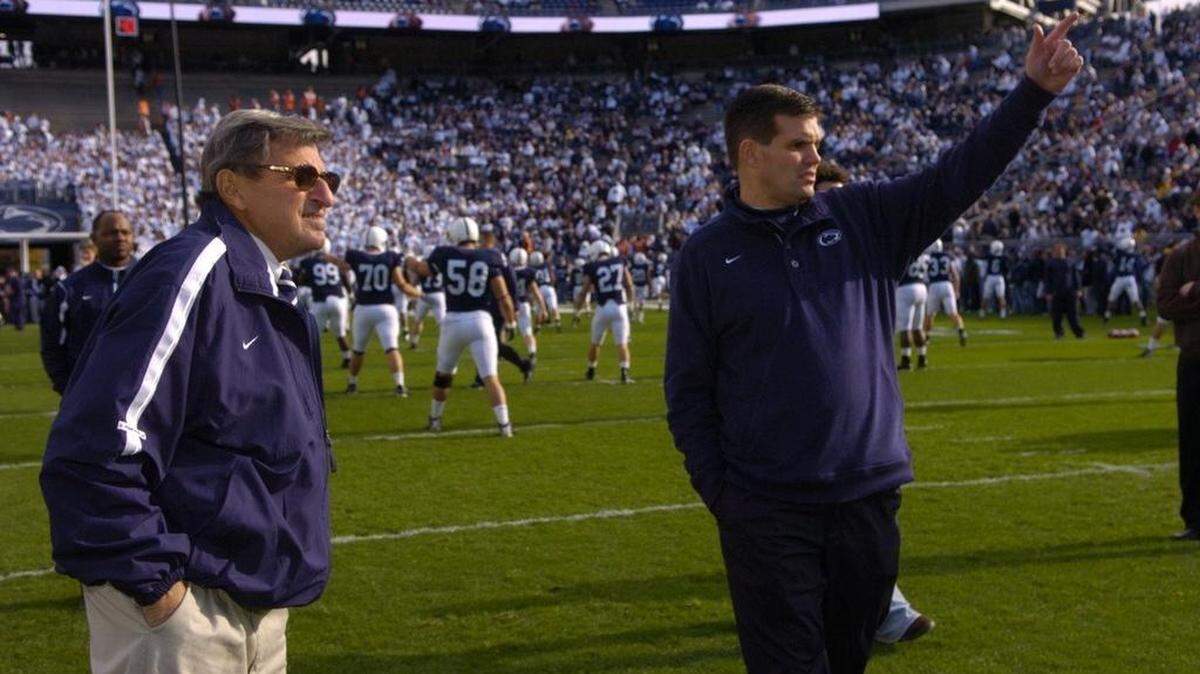
Judge John Leete’s long exposure to the parties in the Paterno estate lawsuit against the NCAA and others let him sum the whole case up in one succinct sentence as he heard oral arguments in the case on Wednesday.
“Everyone seems to accuse everyone else of something in this case,” he said.
That remark came as NCAA attorney Brian Kowalski brought complaints about two plaintiffs in the lawsuit, former assistant coaches Jay Paterno and Bill Kenney, not being as forthcoming with discovery as the NCAA would like.
The plaintiffs have likewise accused the defendants, including Penn State, which was released as a nominal defendant in July, and third-party law firm Pepper Hamilton, of not producing documents when asked.
As about ten lawyers clustered at tables in front of the Potter County senior judge, while he borrowed Centre County Judge Pamela A. Ruest’s courtroom, the accusations continued.
Kowalski renewed the NCAA’s demands for plaintiffs to turn over information, such as draft copies and notes from Paterno’s memoir about growing up the son of football legend Joe Paterno and how that career ended amid the scandal of Jerry Sandusky’s child sex abuse. Kowalski cited the thousands upon thousands of documents turned over by the NCAA, Penn State and Pepper Hamilton.
“One would probably expect an individual to produce far less documents than those entities. What do you think you aren’t getting?” asked Leete.
Kowalski noted that text messages had originally been requested but were said to be unavailable. Then 100 text messages were discovered and turned over.
Plaintiff attorney Patricia Maher said that is an example of compliance with the discovery requests, not evasion of them, claiming that the original denial was made by a different firm but that her office had been able to locate more communications through the service provider and turn them over.
Maher in return accused the NCAA of a “fishing expedition” with repeated requests for information about the memoir, claiming the first requests actually predated publication.
“We believe we are entitled,” said Kowalski. “We think it is all absolutely relevant.”
Leete seemed to question that.
“It’s not ‘You produced X and they must produce Y,’ ” he said. “That’s not how the law works.”
The NCAA also wanted information about Paterno’s short-lived candidacy for lieutenant governor, requesting polls and analysis of his appeal to voters, which Kowalski said would go to the defamation claims.
Maher conceded that if there were communications that related to that aspect, they would be relevant but did not say that such documents did exist.
What she said did not exist were documents that related to the consent decree between Penn State and the NCAA, the basis of the post-Sandusky sanctions, or anything about Jerry Sandusky. In fact, of about 30 categories of discovery requested, Maher said that most of them did not actually apply to Paterno and Kenney, leading to the comparatively small number of documents produced, including tax returns, financial data and job search information.
What Penn State wanted in court was to get something back. The university inadvertently turned over more than 120 interview notes and draft chapters of the Freeh report to the plaintiffs over the summer, and is now asking to have them returned.
Maher argued that the same documents had been turned over by Pepper Hamilton, but stamped with a “highly confidential, attorney eyes only” designation, as had 140,000 pages turned over by the law firm that merged with the law group of former FBI director and federal judge Louis Freeh, the man contracted to conduct the inquiry into the Sandusky events.
Pepper Hamilton and Penn State have both contested the subpoenas asking for documents from the firm, but Leete has repeatedly ruled against them, including his most recent May ruling. Pepper Hamilton is asking the Superior Court for relief, but until that happens, Leete said his ruling to produce discovery stands.
Maher said she views that blanket use of the “highly confidential” designation to be an attempt to skirt that ruling and asked it be struck.
Leete said he was as concerned by the broad use of the categorization as he was with the equally broad attempt to dismiss it.
No decisions were rendered Wednesday, but Leete did ask the parties to weigh in on a schedule which would push the ongoing lawsuit toward a conclusion.
This story was originally published September 9, 2015 at 7:15 PM with the headline "Judge hears arguments from NCAA, Paterno estate."