Ancient ‘blob’ fossils aren’t jellyfish after all. ‘Been looking at them upside down’
_fitted.png "For the past 44 years, paleontologists thought “blob” fossils found in Illinois were jellyfish, according to a Colorado museum. Turns out, they are sea anemones.")
For the past four decades, paleontologists thought ancient “blob” fossils found in Illinois were jellyfish, according to a Colorado museum.
But it turns out, “we’ve been looking at them upside down,” James Hagadorn, a paleontologist with the Denver Museum of Nature and Science, said in a TikTok video.
A recent study published in the journal Papers in Paleontology shows that the fossils are instead the “world’s largest fossil deposit of sea anemones,” dating back 310 million years, the museum said in a March 27 news release.
“This study demonstrates how a simple shift of a mental image can lead to new ideas and interpretations,” Roy Plotnick, the study’s lead author, said in the release.
‘Hiding in plain sight’
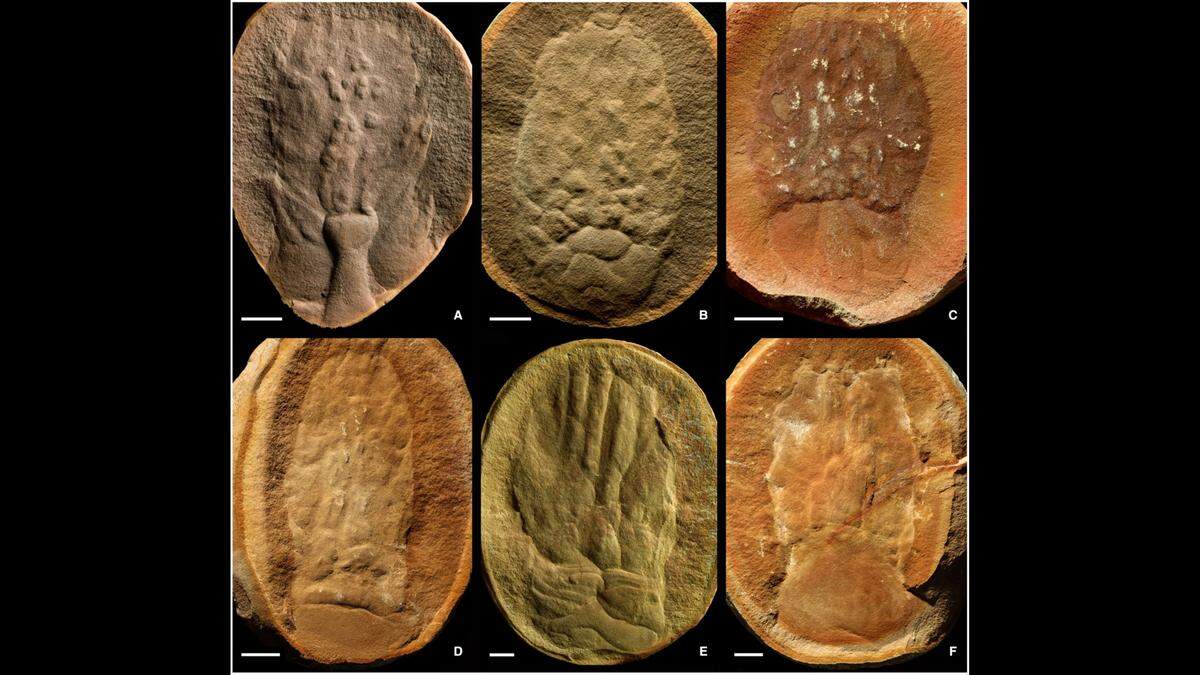
The fossils were part of a deposit in the Mazon Creek in northern Illinois, the museum said.
“This deposit formed as an ancient river spewed sediment into a shallow sea where soft-bodied animals like anemones were living,” according to the museum. “These underwater avalanches buried the animals quickly, entombing them to become fossils.”
In 1979, the fossils, which were part of the form known as “the blob,” were misidentified as jellyfish, the museum said.
Since then, they “have been hiding in plain sight,” according to the museum.
Turning things upside down
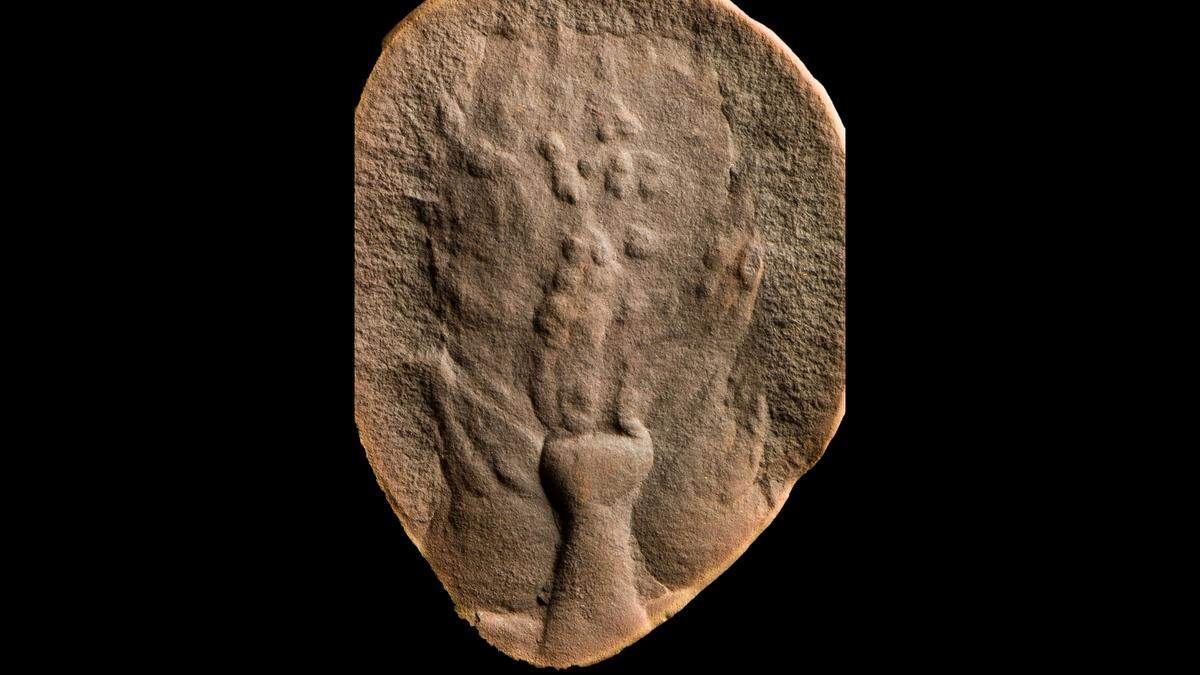
After studying thousands of specimens, turning them upside down, paleontologists learned the fossils were not jellyfish, but “clearly an anemone,” according to the museum.
“One of the easiest clues how to know that this is not a jellyfish is because you think about taking a wet mop and plopping it down on the ground or on the beach,” Hagadorn, one of the study’s authors, said in a TikTok video. “It’s really hard to lay it out with all the strings or in this case, tentacles, parallel to one another.”
Sea anemones are closely related to coral and jellyfish, according to National Geographic. The “stinging polyps” spend a majority of the time “attached to rocks on the sea bottom or on coral reefs waiting for fish to pass close enough to get ensnared in their venom-filled tentacles.”
They “are among the rarest of recognized fossil organisms, even rarer than jellyfish,” the study says.
With this new discovery, scientists can gain “insight into the lives of these ancient creatures,” the museum said.
Hagadorn looked to future endeavors, noting rocks that can house such anemones “are all over Colorado.”
“Maybe someday we’ll find another fossil bonanza like this one, but right in our own backyard,” Hagadorn said.
This story was originally published April 17, 2023 at 1:52 PM with the headline "Ancient ‘blob’ fossils aren’t jellyfish after all. ‘Been looking at them upside down’."