Bear cub had pet feeder stuck on head for weeks. Then rescuers stepped in, photos show
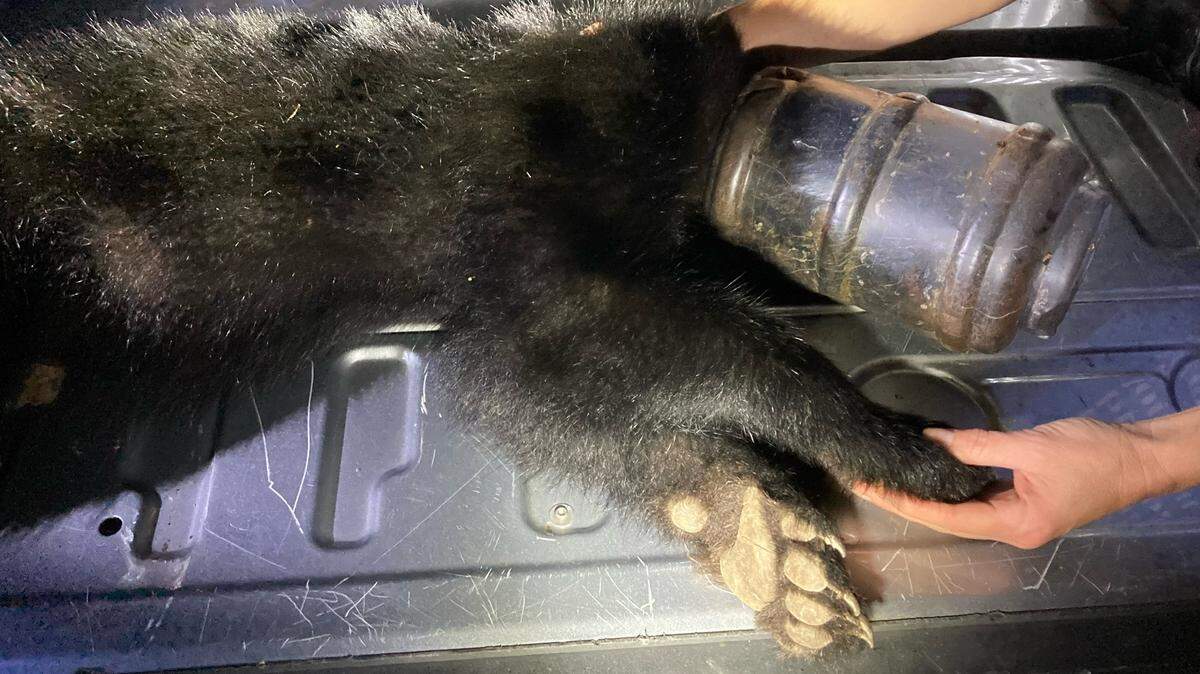
A baby bear wandered around a rural area of Tennessee with its family for weeks — all the while with a pet feeder jug stuck on its head.
The Tennessee Wildlife Resources Agency first received a report of a bear cub with a jug stuck on its head Aug. 14 near Blount County, TWRA black bear support biologist Janelle Musser told McClatchy News. It would take almost two months to finally locate, sedate and free the cub from what turned out to be an automatic pet feeder.
The baby bear was traveling along with its mother and three other cubs, Musser said. To try and catch the bear, the agency put up several traps, which it would monitor daily.
The group of bears evaded the traps for weeks, but the cub was spotted about five times in different parts of the county, she said. Residents saw the cub on trail cameras, security footage or with their own eyes walking through their property.
The agency even caught other bears, which it let go, during its search, Musser said.
Part of what made the search so difficult was that the group of bears were mostly active at night, Musser said. It also didn’t help that the areas in which the bears were being spotted had no cell service, she said.
“Once you’re in that area, it’s very difficult for our dispatch, which is how things are reported to our agency, to get you information once you’re down there,” Musser said. “So a lot of times it was it was just waiting for a report and also monitoring our traps.”
Then, Musser responded to a report of the cub in a tree on someone’s property Oct. 3, she said. A group of residents kept the bear situated in the tree by “scaring it and clapping their hands,” which isn’t a typical preferred approach, Musser said.
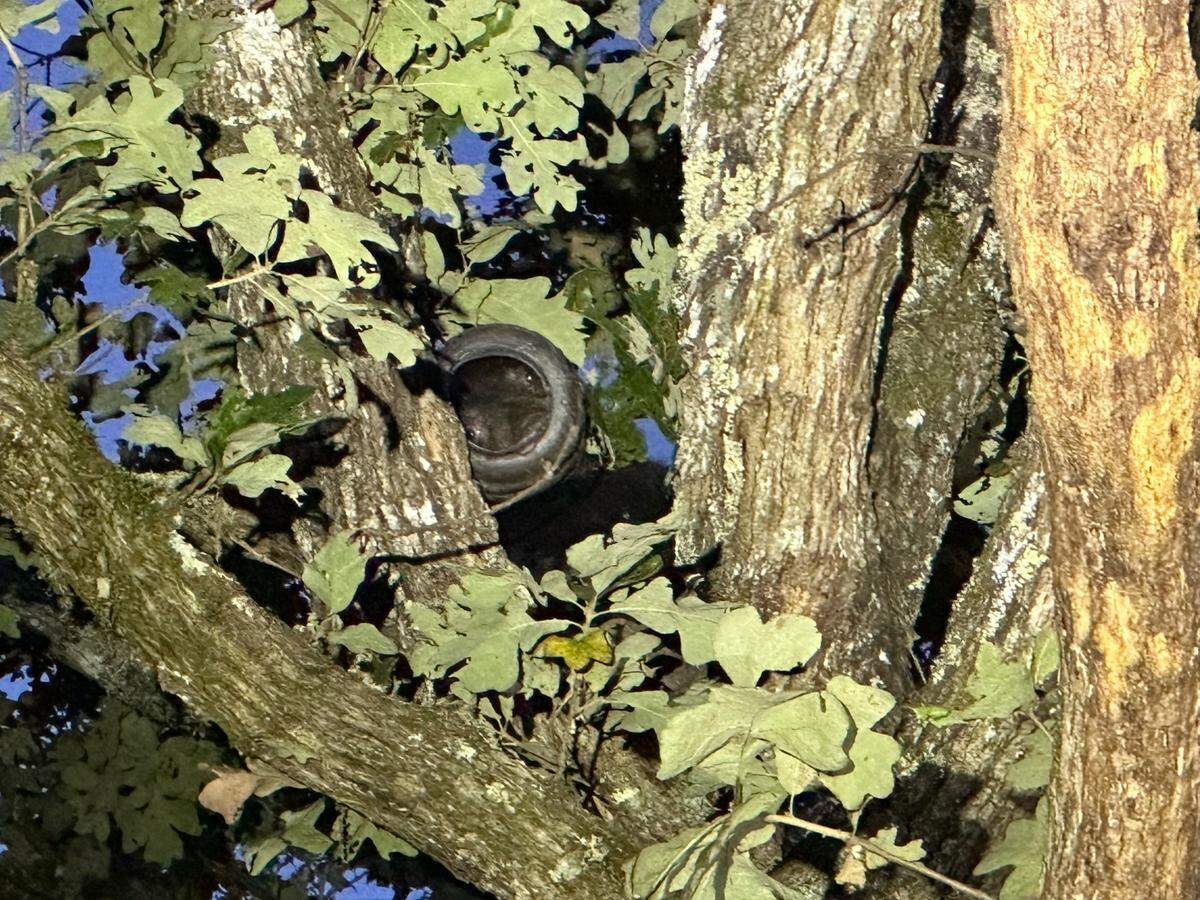
With the bear in place, it was up to Musser to sedate the bear with a dart.
She had to make sure the bear wouldn’t become stuck in the tree while sedated and that it wouldn’t be too high of a fall for the bear, she said. Musser was able to hit the right shot and bring down the bear, with the help of residents shining their lights at the bear so she could see.
“It’s a game of patience,” she said. “It took time to get that bear into a spot in the tree where I was able to make a good shot and have a good target.”
Finally, once they had the bear cub sedated, it was time to remove the container. The jug was so tight on the cub’s head that it had to be cut off, she said.
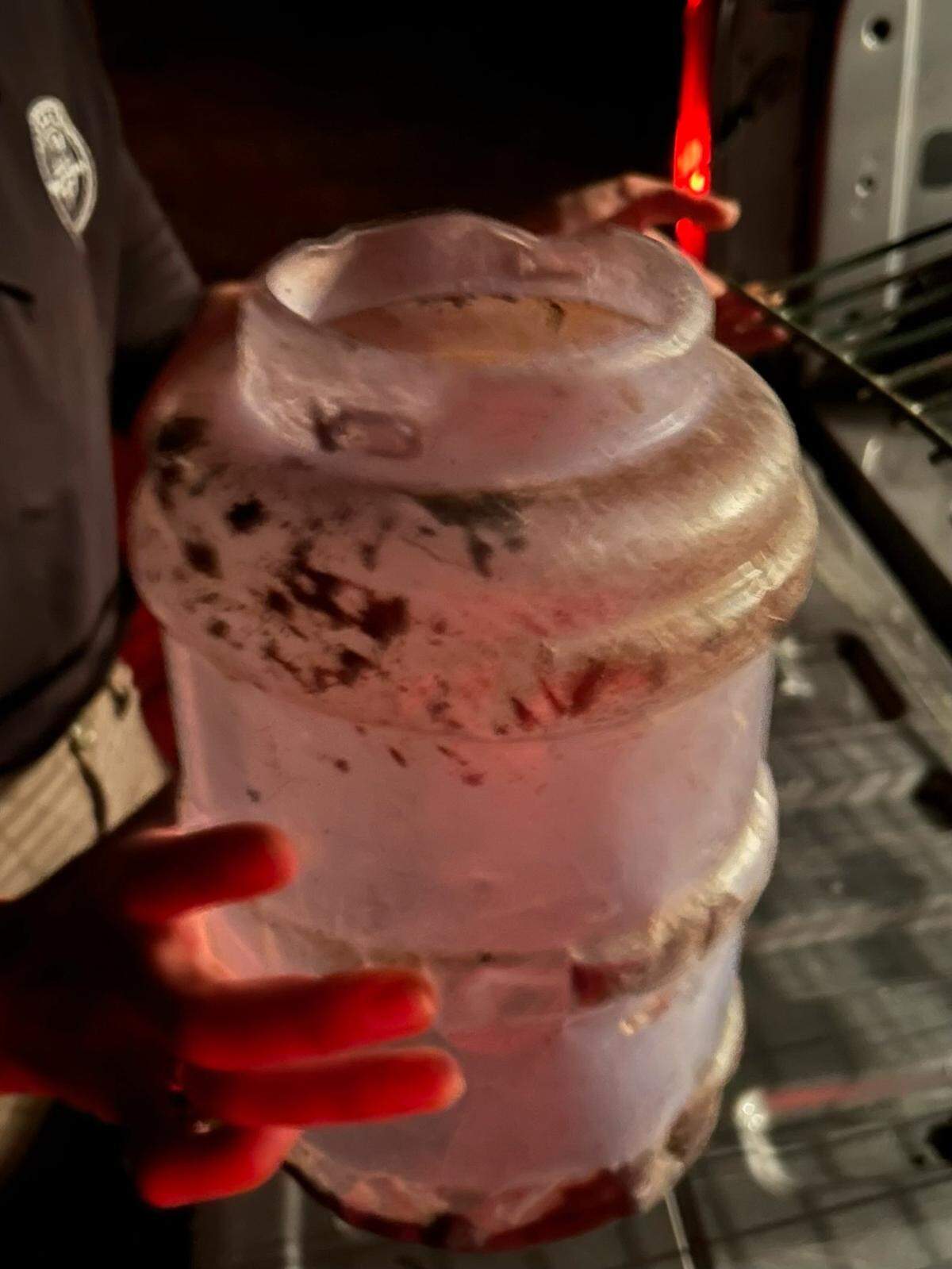
Overall, the cub was “actually in good shape” for what it went through, Musser said. It was a bit smaller than its siblings, most likely from not being able to eat as much with the pet feeder crammed on its head.
Its fur was a bit matted, and it had a lot of ticks from not grooming itself properly, she said. Its ears also weren’t in the best condition from the jug pressing against them for weeks, Musser said, and the agency is hoping its cartilage will recover.
“They were smashed down and they were really, really packed full of dirt and stuff like that from just not being able to clean and not being upright,” Musser said.
While Musser and the local residents were working to get the cub down, its family “completely left the area,” which played a role in the decision to bring the bear to Appalachian Bear Rescue to recover.
It was checked out by veterinarians at the University of Tennessee and brought back to the rescue facility, where it will stay for the next couple months.
Bears rescued around this time will typically be released back into the wild in December when it’s time for them to hibernate, Musser said. Even though the cub did get separated from its family, it would typically have been kicked out by its mother by early next year, Musser said.
Bear safety
Musser suspects the pet feeder came from someone who feeds outdoor cats or dogs from their porch or barn. Pet food has a very strong smell to bears, she said, so it wasn’t surprising that the cub was able to find it.
“They can smell that from a long distance away,” she said. “When they get it, they want to take advantage of all that food in there.”
Garbage, bird seed and pet food are the top three attractants for bears, which is why residents in areas with bear populations should be careful with what they leave out, Musser said.
Some practices Musser suggests include:
- Get a bear-resistant trash can with a sturdy latch
- Keep unlocked garbage in the garage until the morning of trash pick-up
- Remove bird feeders and put out a bird bath instead
- Do not leave pet food outside for extended periods of time
- Secure backyard chickens or goats with an electric fence
- Be proactive and educate yourself on BearWise practices before moving to an area with large bear populations
Blount County is about 30 miles south of Knoxville.
This story was originally published October 5, 2023 at 7:23 PM with the headline "Bear cub had pet feeder stuck on head for weeks. Then rescuers stepped in, photos show."