
Odd sheen on water off Outer Banks beach is hint of contamination, NC park says
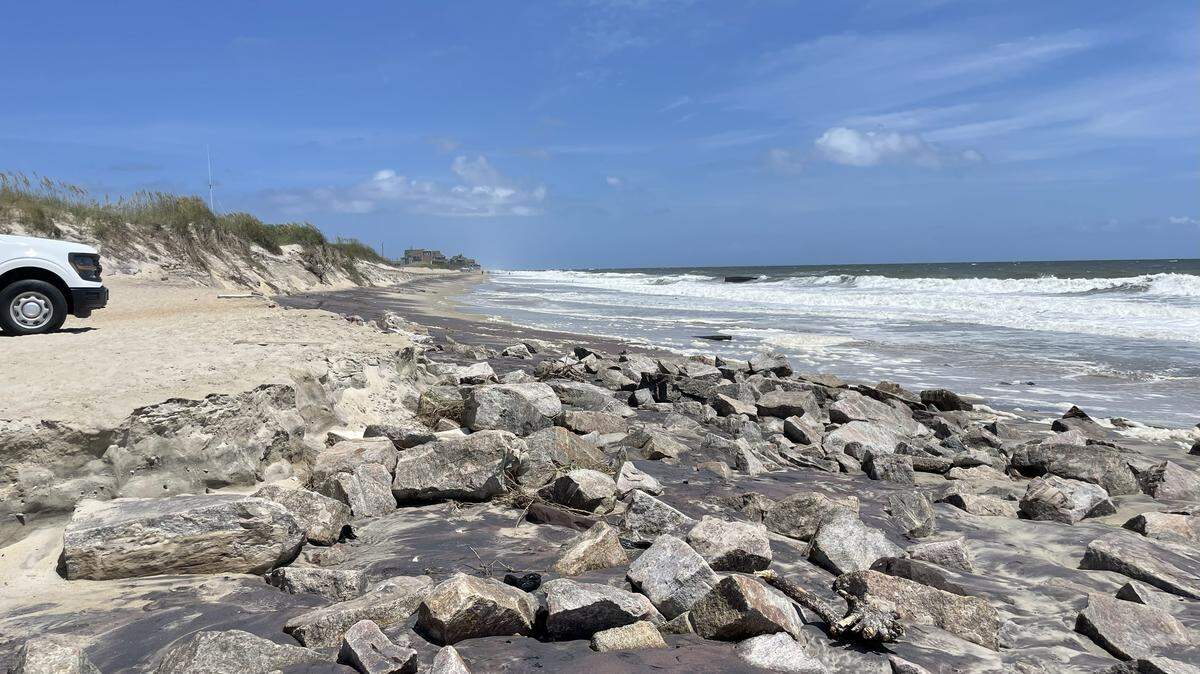
A half mile of beach along North Carolina’s Outer Banks is closed to swimming after the National Park Service detected a strong odor and a sheen on the ocean.
It’s believed both are the result of petroleum leaking from the bowels of a Cold War defense site that was shuttered and torn down more than a decade ago, the park says.
“As a precaution, visitors should not swim or wade in the water at Cape Hatteras National Seashore from Old Lighthouse Beach to the northern boundary of Ramp 43,” the park wrote in an Aug. 3 news release.
Signs of petroleum along that stretch of beach have been an issue for years, due to erosion uncovering “potentially hazardous infrastructure“ linked to a 50-acre Department of Defense site.
The Army Corps of Engineers spent months cleaning up the site over the fall and winter, removing 4,599 cubic yards of petroleum-impacted soil, 278,000 pounds of concrete and 1,153 feet of pipe, the park reports.
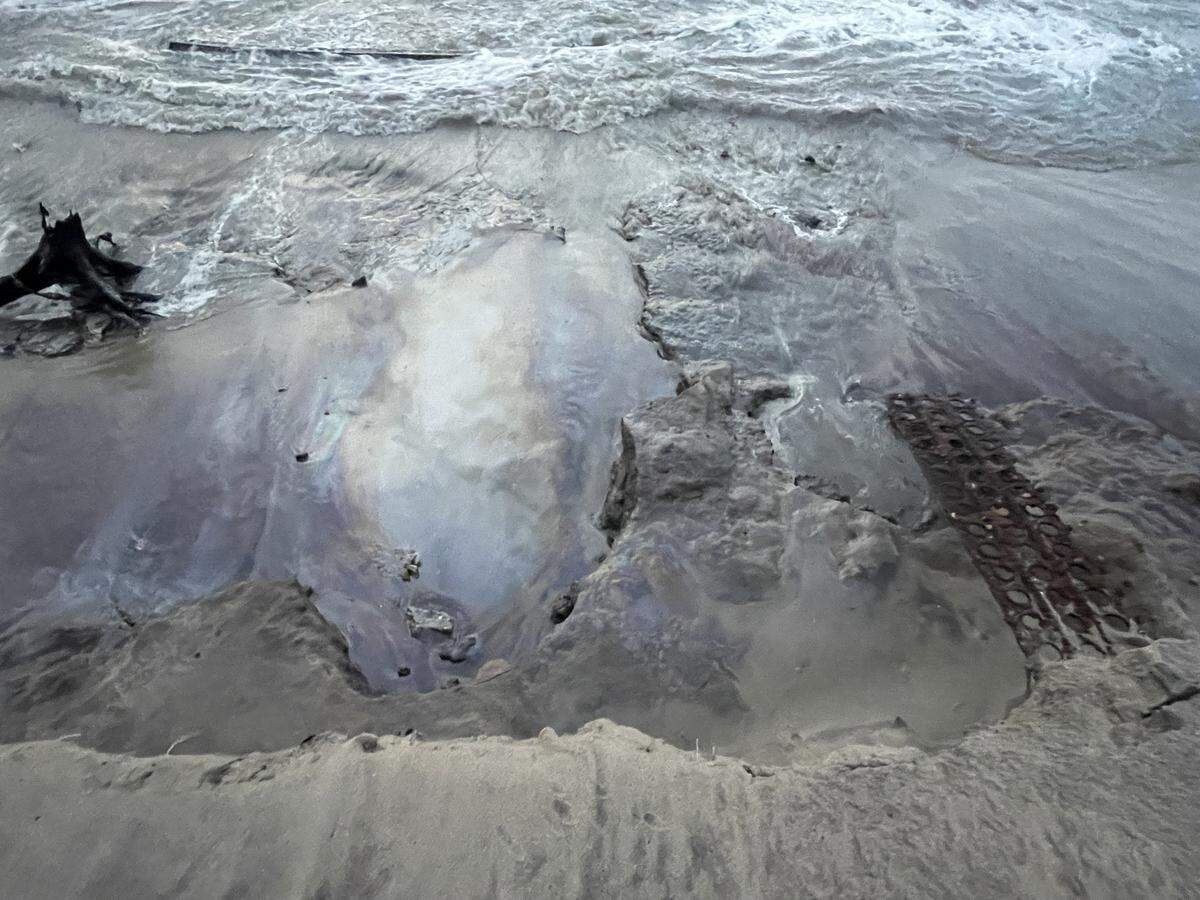
However, a new round of erosion is believed to have uncovered things that were missed during that effort, officials said.
The hazardous infrastructure includes fuel tanks and septic systems, officials say.
“In the 1960s, the Sound Surveillance System (SOSUS) played a crucial role in the U.S. Navy’s efforts to track and monitor Soviet submarine activity during the Cold War. The system ... consisted of a network of underwater listening stations,” the National Park Service reports.
The site served the U.S. Navy and later the U.S. Coast Guard from 1956 until 2010, the park says.
“The Army Corps of Engineers is expected to be on site again in 2025 to comprehensively sample soil and groundwater with the intent to delineate the nature and extent of any petroleum contamination remaining in the project area, which is located mainly behind the dunes,” the National Park Service says.
This story was originally published August 4, 2025 at 9:27 AM with the headline "Odd sheen on water off Outer Banks beach is hint of contamination, NC park says."