Secrets of a temple: Offerings to ancient water goddess uncovered in Greece, experts say
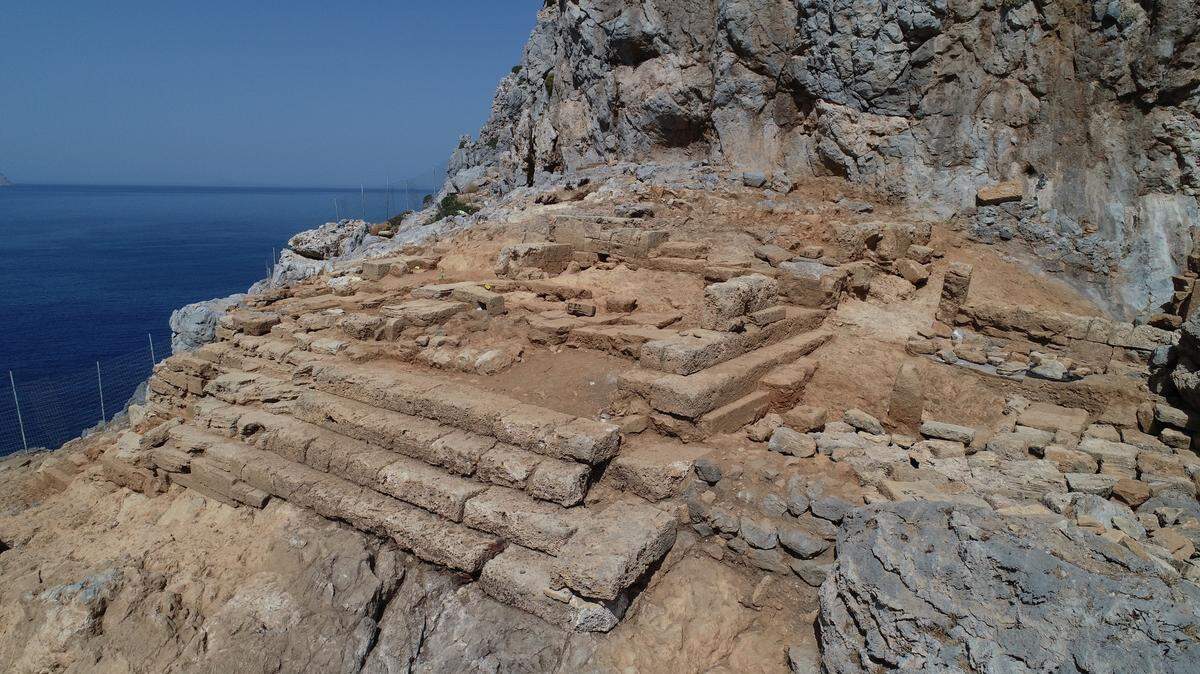
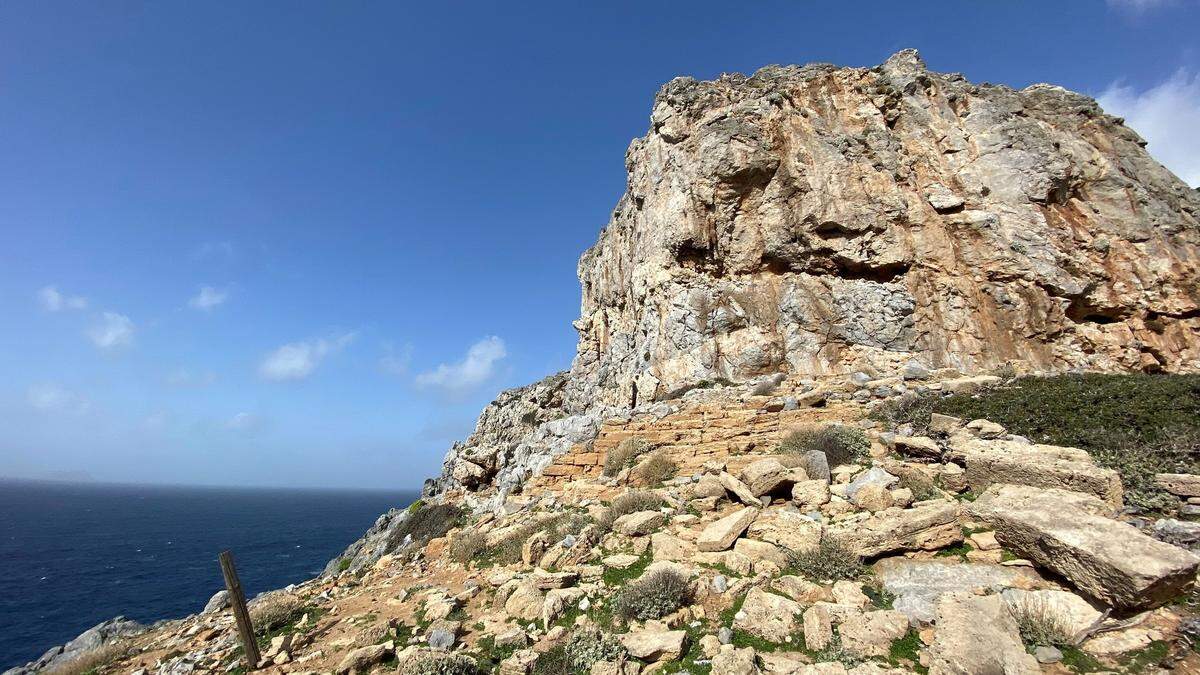
Jagged mountain tops, carved by ages of wind and rain, overlook the Mediterranean Sea from the Greek island of Crete. These rocky, red-brown peaks hid a secret for over 2,000 years, but not anymore.
Archaeologists have known about the ancient city of Phalasarna for years, according to the tourism website Visit Falassarna. Ruins of the harbor city are located on the western end of Crete, an island about 200 miles south of mainland Greece.
Along the coastline, archaeologists have uncovered the ruins of towers, a road, water tanks and a factory, Visit Falassarna reported.
Nestled between two mountain peaks overlooking the harbor, excavations revealed something new, the Greek Ministry of Culture and Sports said in a Nov. 11 news release.
Archaeologists unearthed the ruins of a temple reconstructed during the late fourth century B.C. and early third century B.C., the release said. The dusty, worn-down ruins were once a monumental staircase leading to two buildings: a main temple and a secondary structure, experts said.
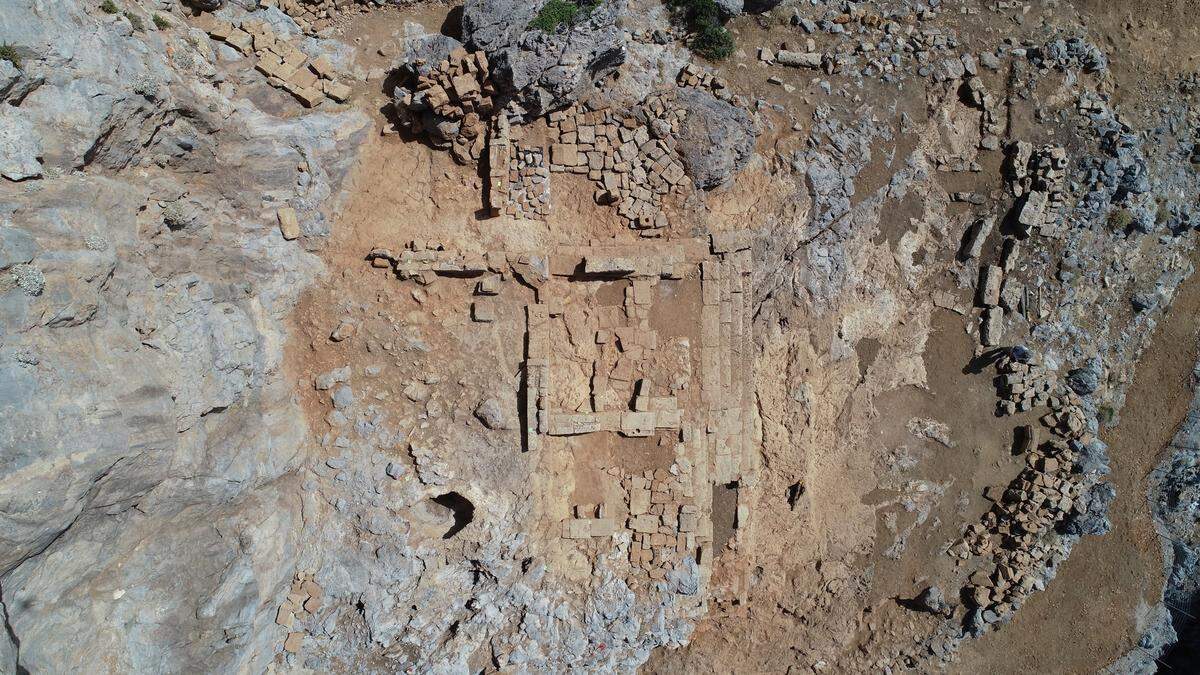
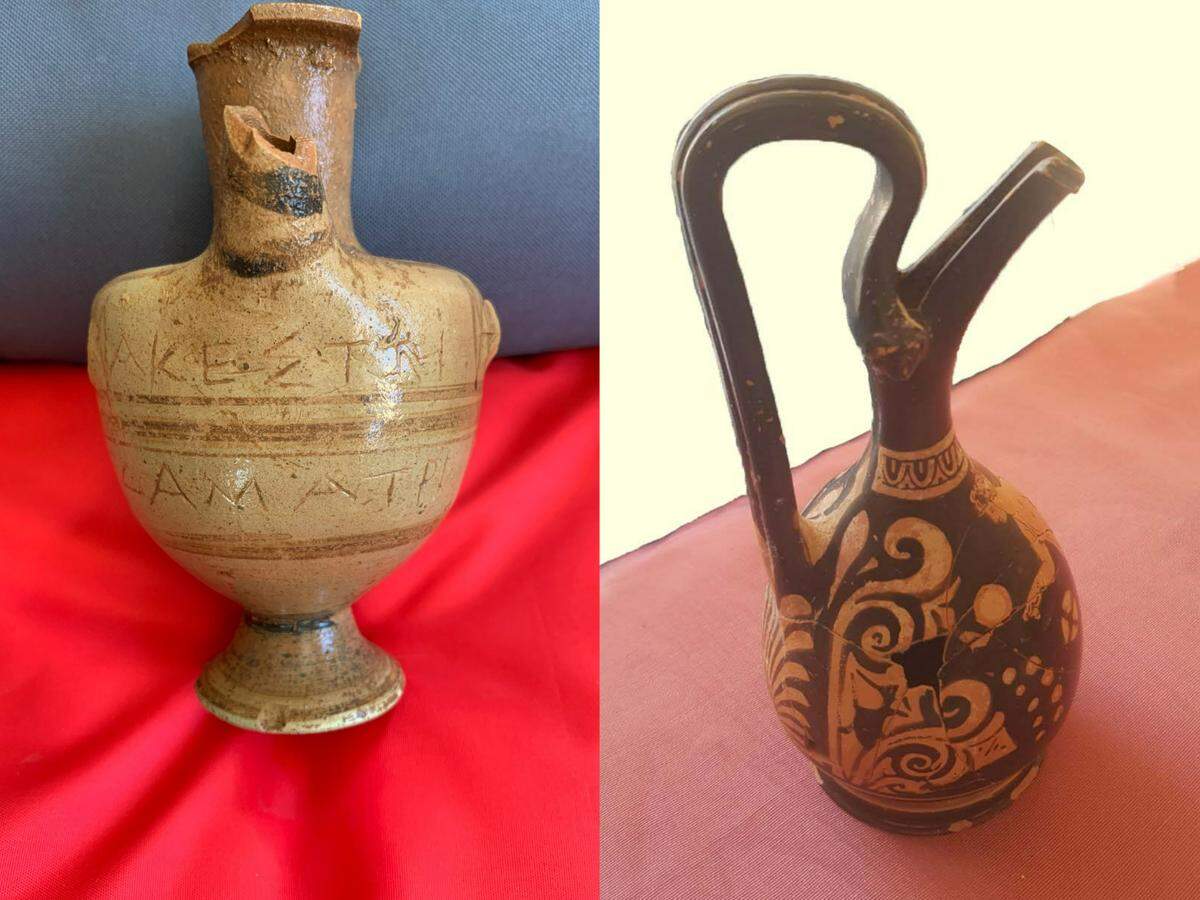
Excavations found five offering cases in the once-tiled floor of the temple, archaeologists said. Inside these cases, researchers found well-preserved, elegant vases.
One vase had a telling inscription: A K E S T O I D A M A T R I — dedicated to the goddess Demeter, archaeologists translated in a Facebook post from the ministry.
Demeter is an ancient Greek goddess associated with the earth, fertility and the power of water as a life source, the ministry said. The sister and consort of Zeus, she was also worshiped as a goddess of agriculture, Britannica reported.
Digging deeper at the once-sacred site, archaeologists found a pit with art from 600 B.C. — centuries older than the other discoveries, the release said. These artistic offerings included clay female figurines, glass objects and terracotta animal figurines.
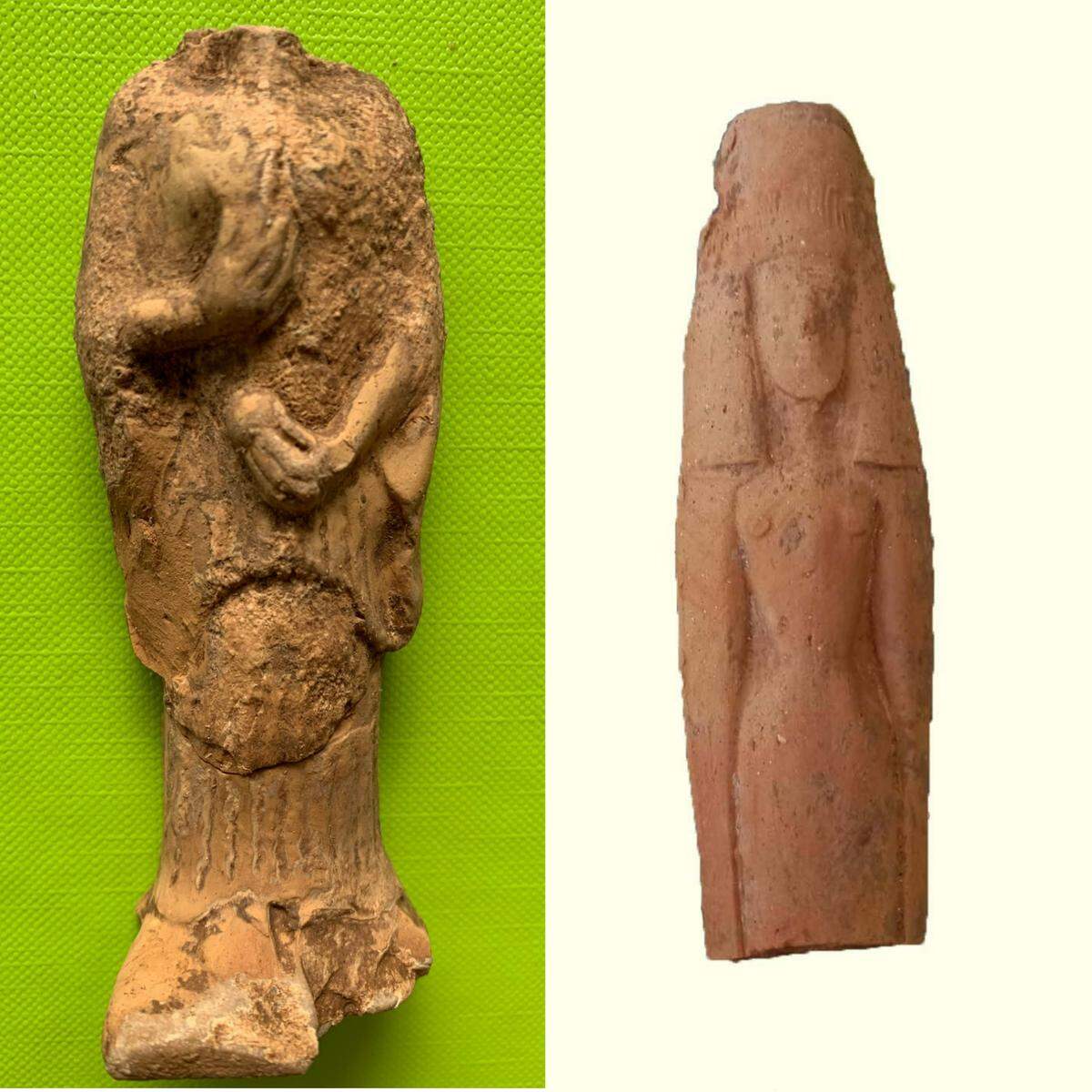
Piece by piece, archaeologists concluded that the temple was rebuilt about 2,300 years ago after an earlier structure collapsed, experts said in the release. In between, people used the open-air space to worship the goddess Demeter.
The ancient city of Phalasarna, sometimes called Falasarna or Falassarna, still had more secrets to reveal.
Google Translate was used to translate the news release and Facebook photo descriptions from the Greek Ministry of Culture and Sports.
This story was originally published November 16, 2022 at 10:45 AM with the headline "Secrets of a temple: Offerings to ancient water goddess uncovered in Greece, experts say."