‘Fairy circles’ stumped scientists, study says. Locals knew the explanation all along
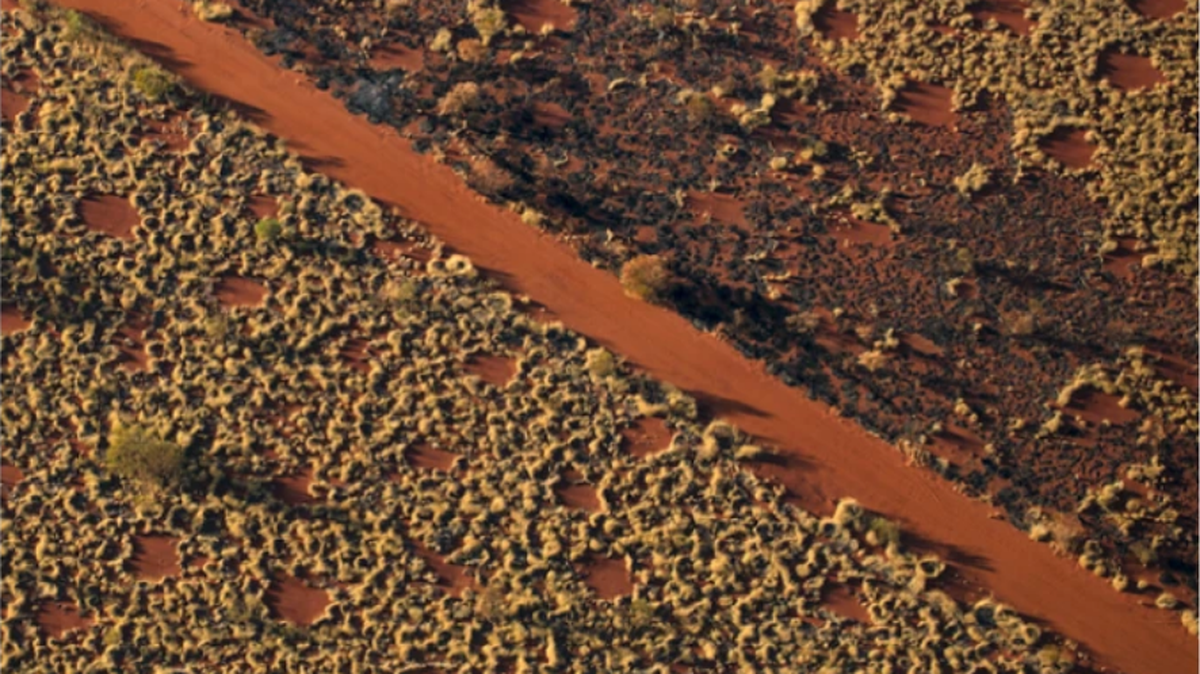
At regular intervals across the Australian desert sit empty, circular patches. These “fairy circles” have long intrigued and bewildered scientists. What causes these dusty polka dots? Why do they appear in only some areas?
These circles, however, are much less mysterious to Australia’s Indigenous or Aboriginal people, researchers said in a study published April 3 in the Nature Ecology & Evolution journal.
However, previous scientific research on “fairy circles” did not consider Indigenous knowledge, the study said.
Instead, scientists extrapolated from patterns found in the African deserts of Namibia and Angola, concluding that Australian circles were caused by “grasses self-organizing while competing for water and nutrients,” the study said.
Unconvinced by this explanation, a cross-cultural team of researchers and Aboriginal people investigated the “fairy circles” by studying Indigenous knowledge parallel to surveying the patches.
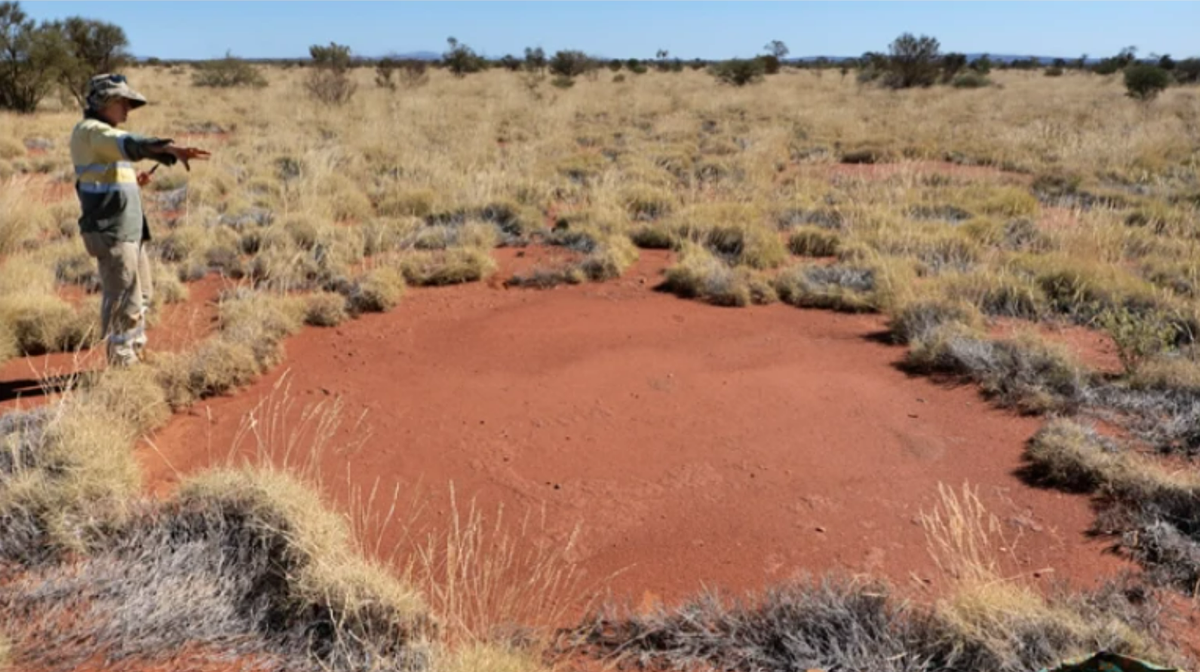
“Aboriginal people refined their encyclopedia and authoritative knowledge when living continuously on this continent for at least 65,000 years,” Fiona Walsh, an ethnoecologist and the team’s leader, told The University of Western Australia in a news release.
Indigenous languages had names for these bare circles, the study said. The Manyjilyjarra language called them “linyji,” and the Warlpiri language called them “mingkirri,” researchers said.
“Linyji are the homes of termites who live underground,” Gladys Bidu, an elder of the Martu people and co-author of the study, said in the news release. “I learnt this from my old people and have seen it myself many times.”
Indigenous people passed their knowledge of “linyji” in oral narratives, artwork, ceremonies and songlines, the study said.
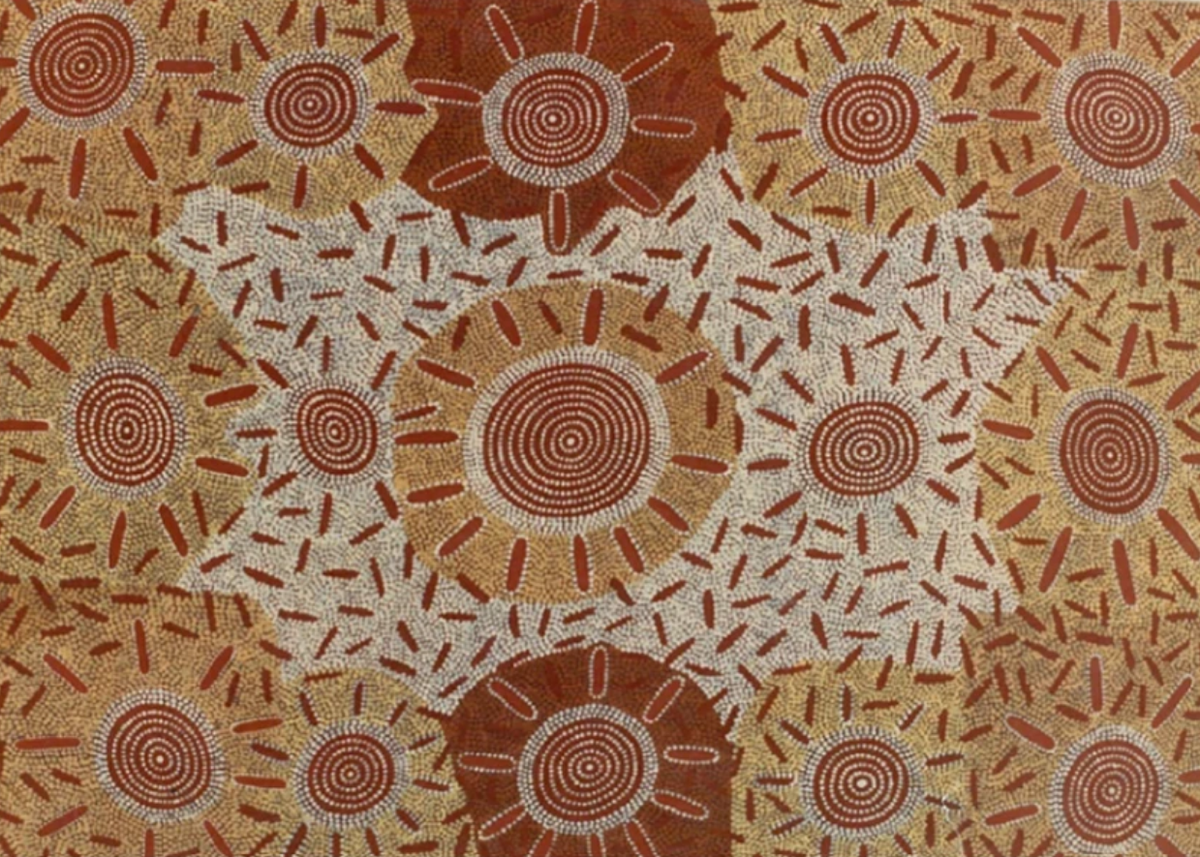
“We saw similarities between the patterns in Aboriginal art and aerial views of the pavements,” Walsh said in the release, “and found paintings that have deep and complex stories about the activities of termites and termite ancestors.”
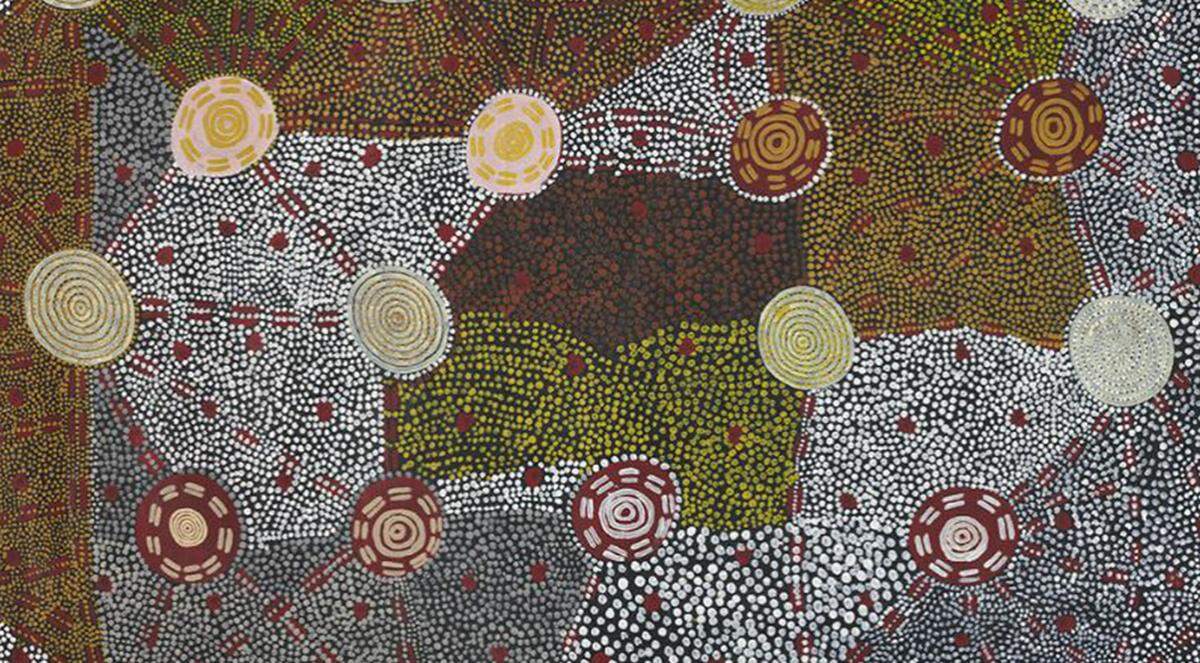
Photos show two such paintings by Aboriginal artists, one titled “Watanuma,” meaning “edible flying termites,” and the other titled “Flying termite dreaming,” the study said.
Simultaneously, researchers excavated 60 soil trenches from four plots of “fairy circles,” the study said. The samples were taken from two desert areas in northwestern Australia.
Walsh described the “fairy circles” in the release as having a “pavement surface” as hard as “concrete.”
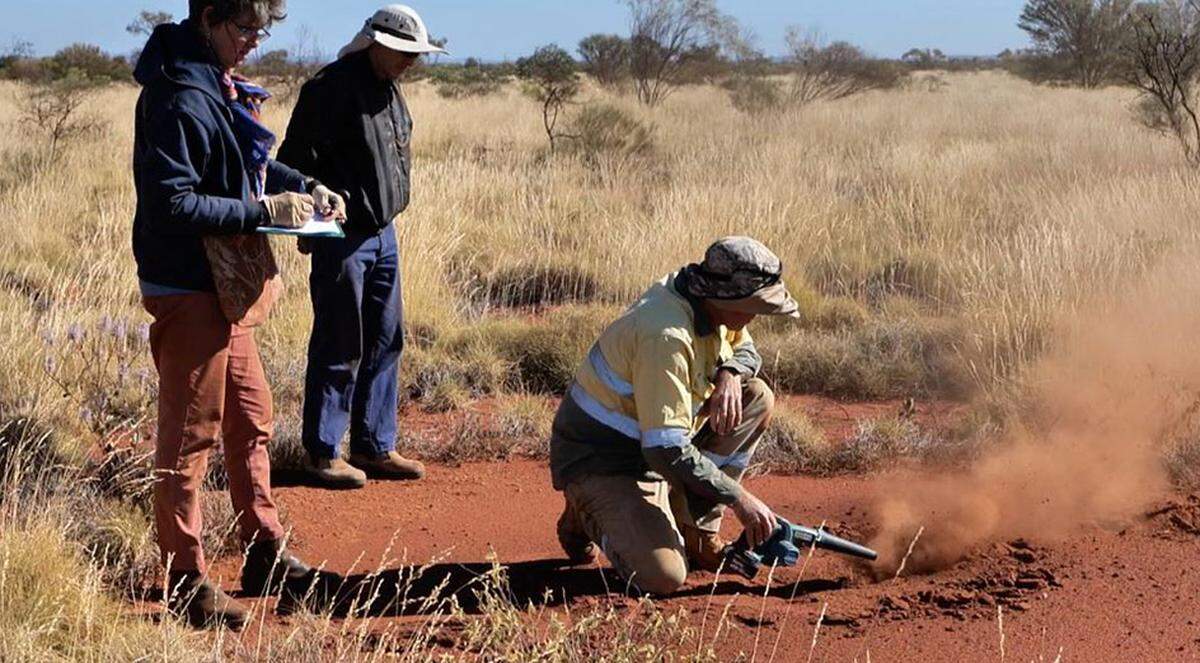
“After we dug and then dusted to clean the trenches, 100 (percent) of them had termite chambers,” she said in the release. “Forty-one (percent) of the trenches contained live harvester termites.”
The researchers also found that “termites and termite structures were much more common under the pavements than in the spinifex grasslands next to them,” Walsh said in the release.
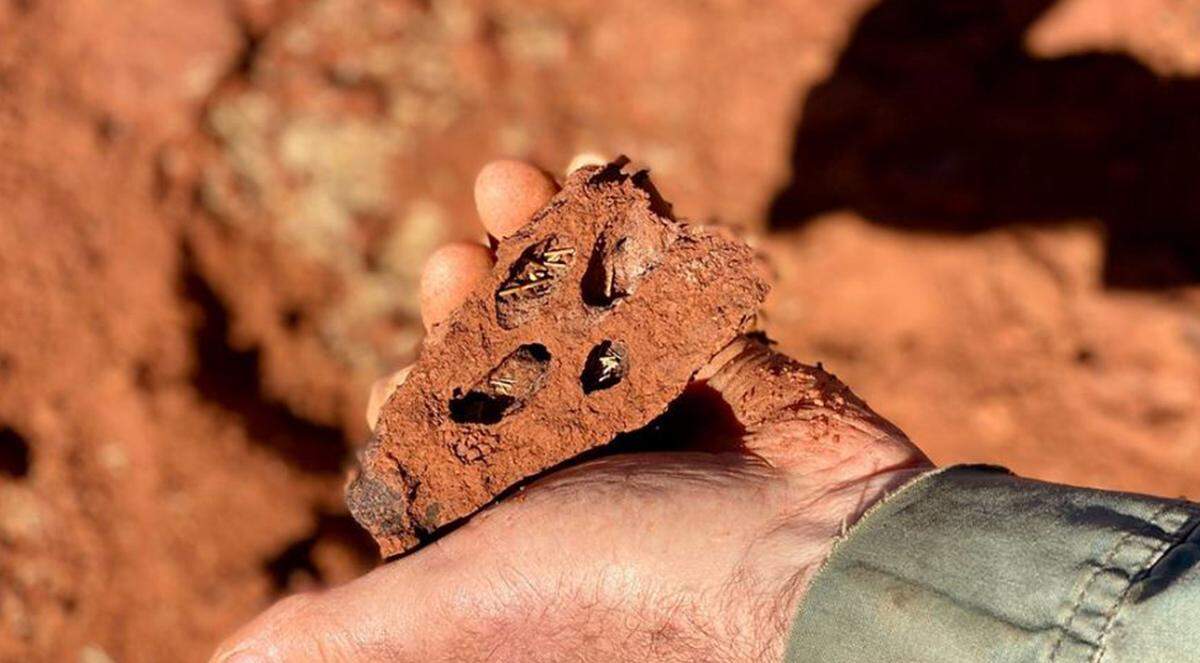
The team’s results further validated the explanation for “fairy circles” provided by Indigenous people’s knowledge of their environment, the study said.
Still, the implications of this research extend far beyond “fairy circles,” Walsh told the Australian Broadcasting Corporation.
“If there was this much to discover about termites,” Walsh told the outlet, “imagine what there was to be found about emus, red kangaroos, and a whole plethora of other common species that are deeply important to Aboriginal people.”
This story was originally published April 4, 2023 at 5:52 PM with the headline "‘Fairy circles’ stumped scientists, study says. Locals knew the explanation all along."