Tiny creature with huge eyes found in leaves on Brazil mountain. It’s a new species
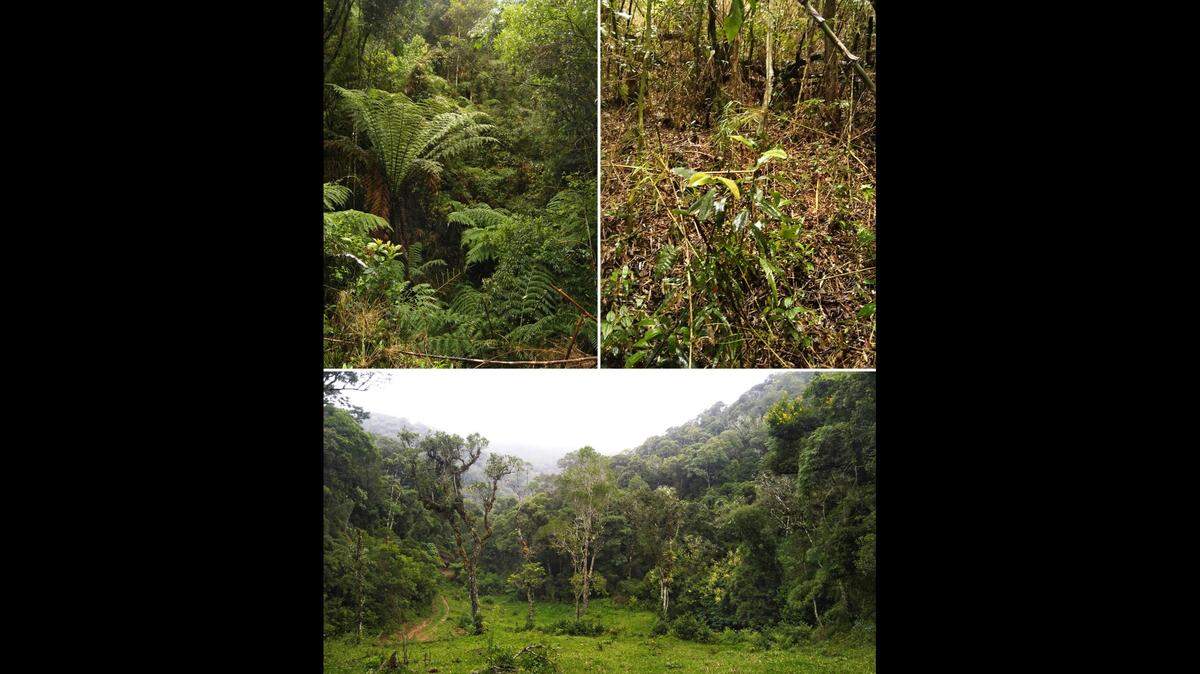
Hidden among leaf litter in the mountaintops of Brazil, an ecosystem of minuscule creatures exists. Among the animals living on the ground of the forest are tiny green and orange toad-like amphibians.
Now, researchers have identified the miniature creatures as Brachycephalus tabuleiro — a new species of amphibian known as “pumpkin toadlets,” according to a study published July 14 in Vertebrate Zoology. The animals were found in the Serra do Tabuleiro mountain complex in southern Brazil, making the new species the southernmost species of Brachycephalus that has been identified.
Here’s what scientists know about the species.
Tiny green and orange creatures
The new species is one of 39 species of Brachycephalus — which are leaf-litter creatures and among the smallest vertebrates in the world, researchers said.
Female brachycephalus tabuleiro can grow to be up to about half an inch long while males range in size from about 0.37 inches long to 0.43 inches long, according to the study. Other species have a similar size, with the largest growing to be no more than about three-quarters of an inch long.
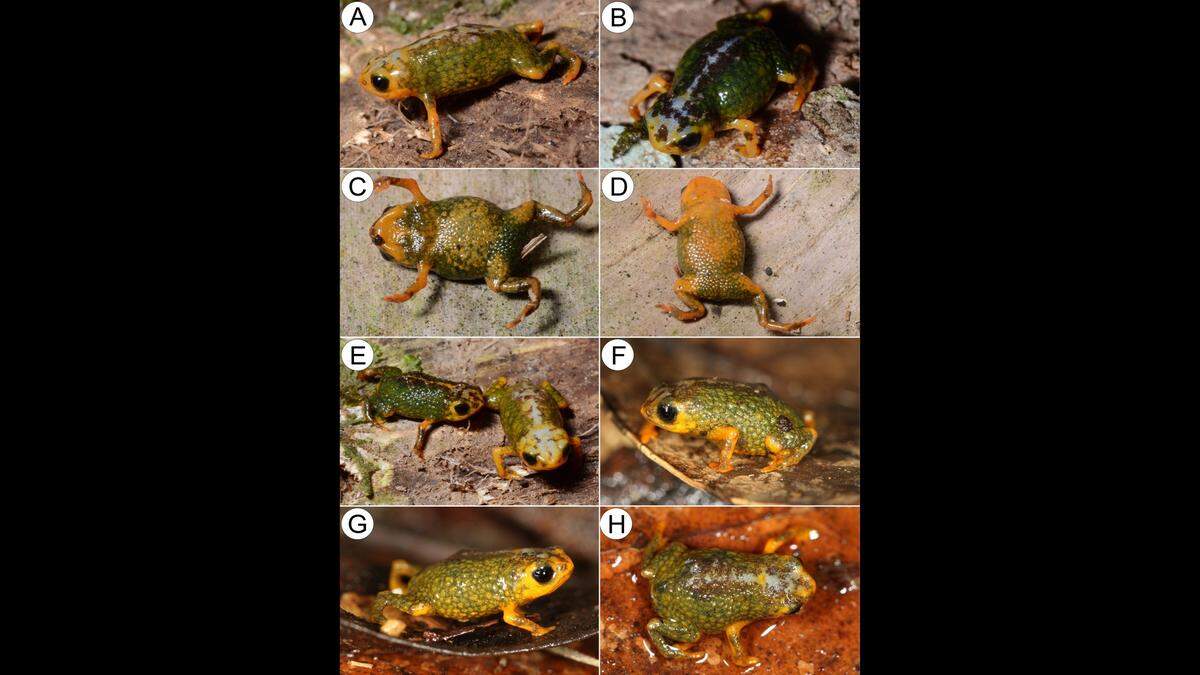
Experts said they also distinguished the new species by its coloring. The tiny amphibians are an olive green color and have a thin stripe down their back composed of white and brown blotches.
Their legs are green at the top but gradually transition to an orange-yellowish color especially at their knees, heels and toes. Their arms, hands and fingers are also orange, researchers said.
The creatures’ small heads have orange, gray and brown spots layered on top of their green skin, according to the study. Their eyes, which are proportionally large, are dark and contrast from their bright skin.
Identified by their call
Scientists said they collected specimens of the species on two occasions: first in November 2015 and again in January 2018. On both trips, researchers relied on the creatures’ calls to locate the animals.
.jpeg "oo_87902_fitted (1).jpeg")
By observing the amphibians, researchers learned that males are more vocal during dawn and dusk, according to the study. Their activity is also influenced by the weather: They are more active during the day during rainy and cloudy days while there tends to be little to no activity and vocalization when it is sunny and warm.
Experts said the species is likely a mountaintop microendemic species that is isolated to Serra do Tabuleiro State Park — a protected area in the southeastern corner of Brazil — and the surrounding area.
This story was originally published July 20, 2023 at 2:33 PM with the headline "Tiny creature with huge eyes found in leaves on Brazil mountain. It’s a new species."