Spiny creature lurking in forest couldn’t resist vanilla oats. See the new species
Scampering through a forest in Ecuador, a spine-covered creature caught a whiff of vanilla. Intrigued, the small animal followed the scent — and walked right into a trap. Scientists took a closer look at their catch and discovered a new species.
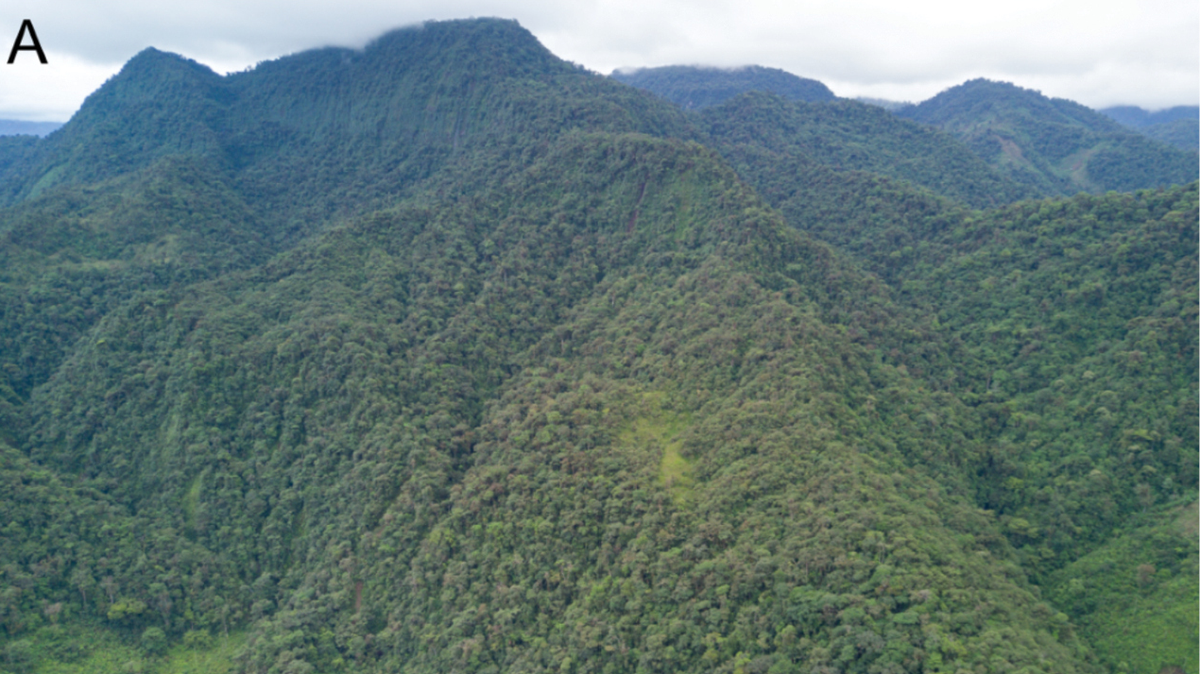
Researchers ventured into the Chocó Biogeographic region in northwestern Ecuador on several expeditions between 2016 and 2022, according to a study published Aug. 17 in the journal ZooKeys. They were searching for rodents.
To lure the animals out of hiding, researchers used vanilla rolled oats and cattle feed as bait in dozens of traps per night, the study said. They placed the nighttime traps near areas with “runways, holes, and other signs of small mammal activity.”
And it worked.
Caught in the traps, researchers found 39 mice with a unique color pattern. Taking a closer look, they discovered a new species: Neacomys marci, or Marc’s white-throated spiny mouse.
Marc’s white-throated spiny mice are small, with a maximum size of about 7 inches from head to tail, the study said. They have claws, “long” scaly tails and “large” oval ears. Photos show the new mouse species in its natural habitat.
Along its back, Marc’s white-throated spiny mouse has a mixture of “spines” and “soft hairs,” researchers said. The “soft hairs” are tricolored, going from light brown to orange to black. The mixed fur gives the mouse dark brown coloring with orange speckles.
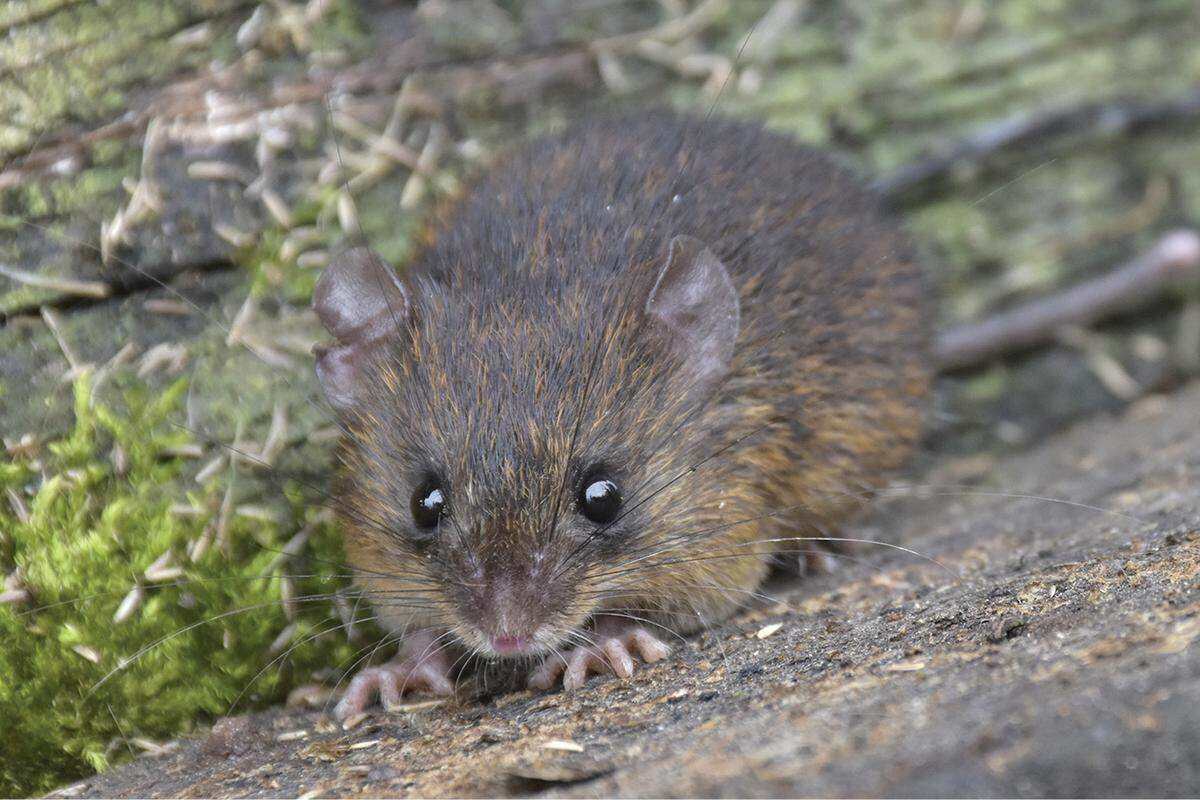
Along its throat, the mouse has a white patch, the study said. Its underside is a lighter yellow-white coloring.
Researchers named the new species “marci” after Marc Hoogeslag, a conservationist from the Netherlands. Hoogeslag founded the Land Acquisition Fund of the International Union for the Conservation of Nature to help “establish new ecological reserves and conserve endangered species” around the world. One area where the new species was discovered, the Fundacion EcoMinga’s Reserva Manduriacu, “benefited from Marc’s program.”
Marc’s white-throated spiny mouse was found in six locations in the northwestern provinces of Carchi, Pichincha and Esmeraldas, the study said. These locations are part of the Chocó Biogeographic region, which spans the eastern coast of Panama and western coast of Colombia and Ecuador.
The new species was identified by its coloring, size, body shape and skeleton, researchers said. DNA analysis found the new species had between about 4% and about 16% genetic divergence from other species of spiny mouse.
The research team included Nicolás Tinoco, Claudia Koch, Javier Colmenares-Pinzón, Francisco Castellanos and Jorge Brito.
This story was originally published August 22, 2023 at 1:09 PM with the headline "Spiny creature lurking in forest couldn’t resist vanilla oats. See the new species."