Pregnant creature hiding in desert bushes turns out to be new species in Argentina
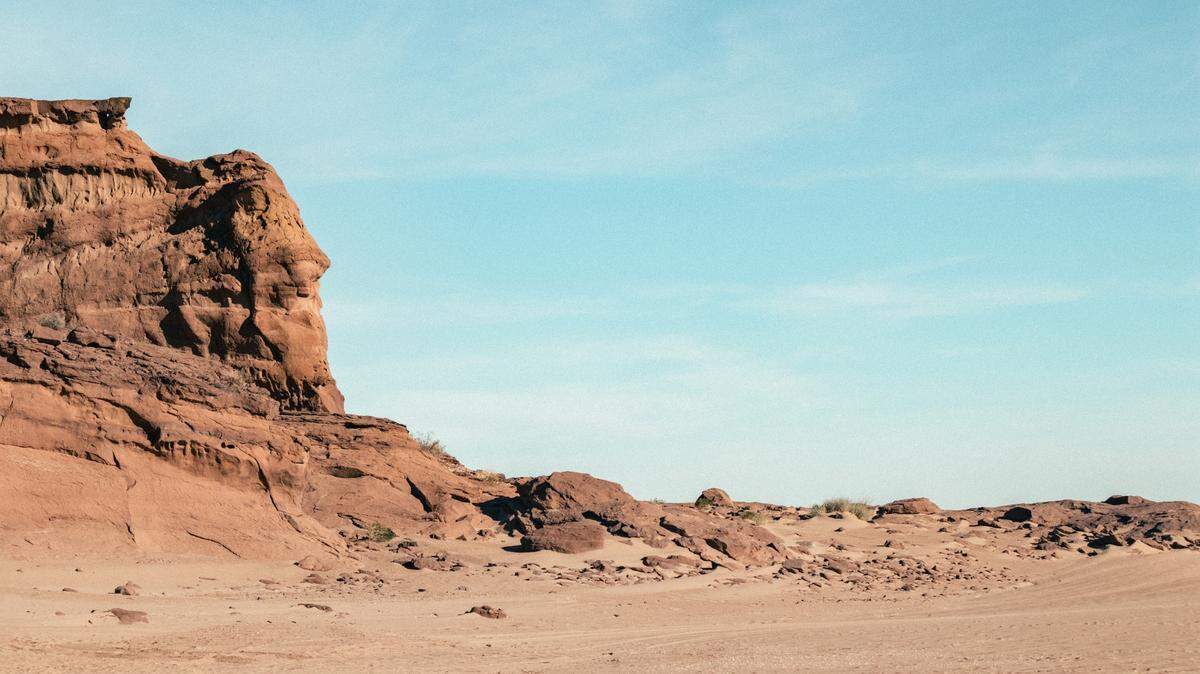
The midday sun pierced the desert landscape of Argentina. Among the bushes and sandy soil, a scaly pregnant creature went about its day. It wasn’t alone.
Nearby scientists spotted the “robust” animal — and discovered a new species.
Researchers ventured into the desert of Neuquén Province to study the environment, according to an Aug. 29 study published in the European Journal of Taxonomy. Looking at the local wildlife, they noticed a “unique” lizard.
Intrigued, researchers observed 27 lizards and captured nine specimens. Taking a closer look at the lizard, they discovered it was a new species: Liolaemus kulinko, or the Aguada Pichana iguana.
The Aguada Pichana iguana is “medium to large in size,” reaching about 8 inches, the study said. It has a “robust” and scaly body. The species varies in color, with male iguanas having “more showy colors than females,” researchers said.
Male Aguada Pichana iguanas have a light brown body, sometimes with “light blue scales” along their sides, the study said. Some males had “iridescent” blue and green scales along their tails. A photo shows an iguana with turquoise scales at the base of its tail and near its hind legs.
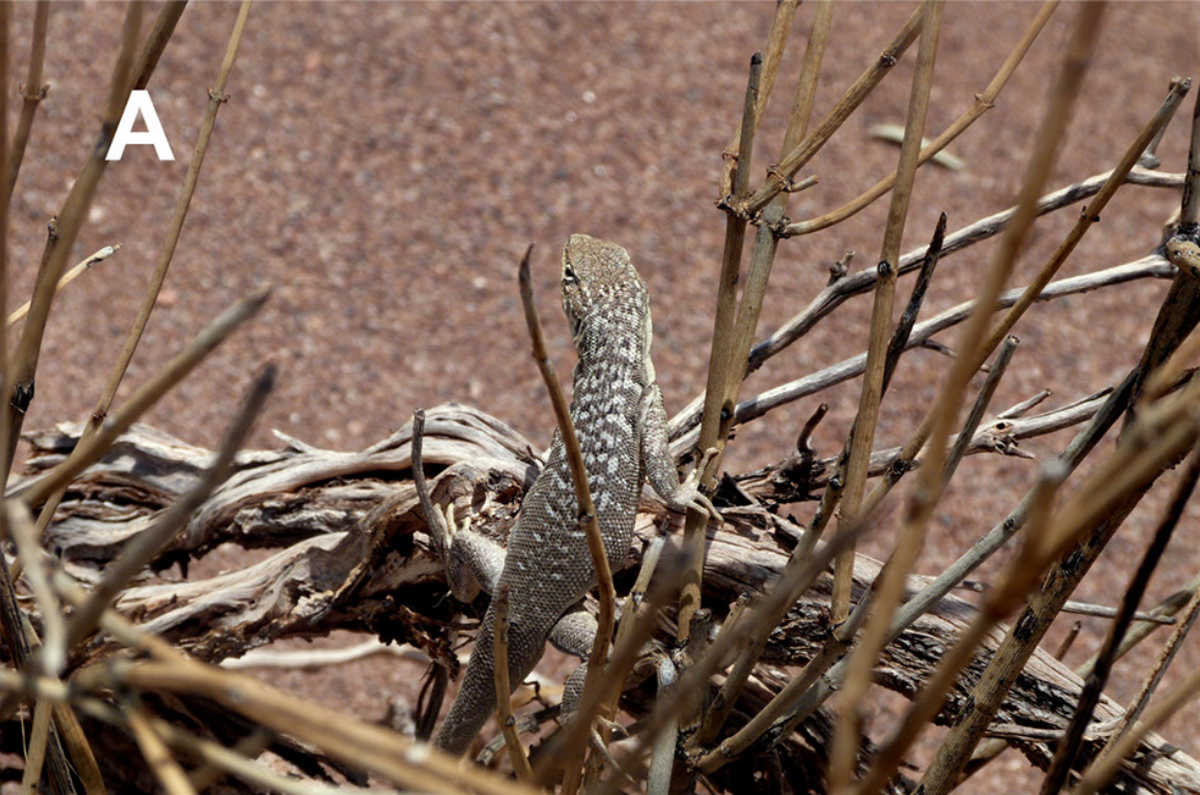
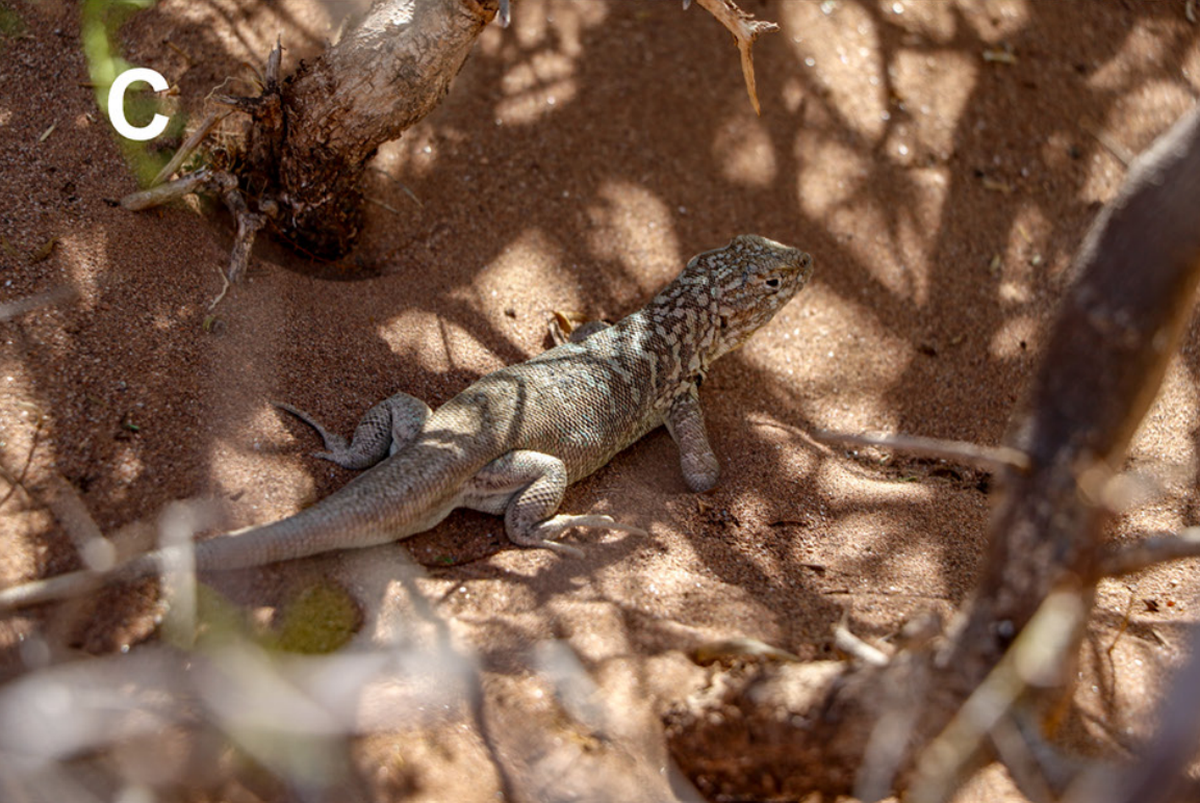
Females had gray or brown bodies with a “more uniform and consistent pattern,” researchers said. Photos show the iguana’s brown, black and white speckled pattern along its neck and back.
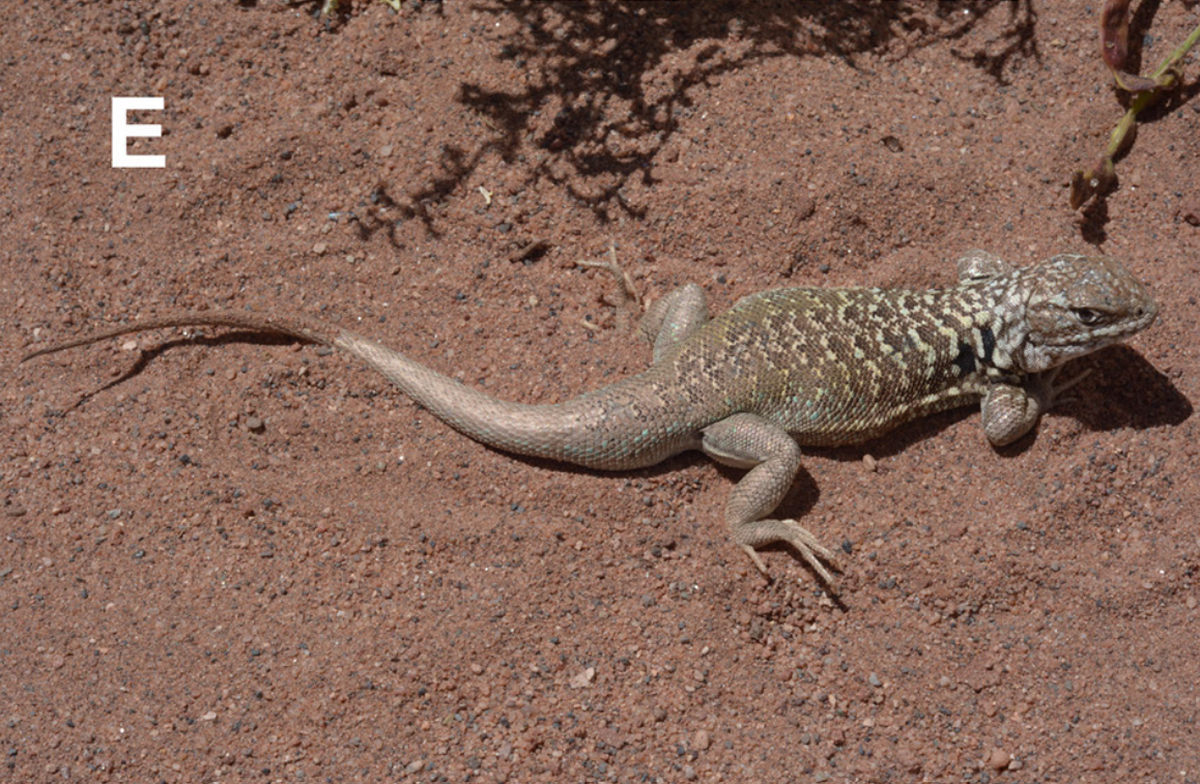
Aguada Pichana iguanas live in a “hot desert” environment, the study said. Their arid and sandy habitat has “patches of shrubs.” Photos show the new iguana species in its natural habitat.
Researchers found the Aguada Pichana iguana to be “abundant and easy to observe” during midday sun. The animals mostly hid under bushes but were also found in dunes, sandy areas and “higher stony areas.”
Two pregnant iguanas were observed, and several other females were later seen near eggs, the study said. Other female iguanas were found hiding in the bushes with “newborn” babies, suggesting mothers might take care of their young.
Researchers named the new species “kulinko,” the Mapuche word for “aguada,” in reference to Aguada Pichana, the area where the iguana lives. Aguada Pichana in Neuquén Province is about 780 miles southwest of Buenos Aires, the capital city.
The new species was identified based on its size, coloring, scale pattern and other subtle physical characteristics, the study said. DNA analysis found the new species had between about 7% to about 10% genetic divergence from other iguanas. Iguanas are considered distinct species when they have more than 3% genetic divergence.
The research team included Cristian Abdala, Pablo Anselmo Chafrat, Juan Chaparro, Iván Ezequiel Procheret, Julián Valdes, Vanina Lannutti, Laura Perez and Sebastián Quinteros.
This story was originally published August 29, 2023 at 3:57 PM with the headline "Pregnant creature hiding in desert bushes turns out to be new species in Argentina."