
Sprawling Roman-era mosaic — for goddess of luck — found under home, photos show
A sprawling, centuries-old mosaic was recently unearthed in Syria, shedding light onto life under Roman rule.
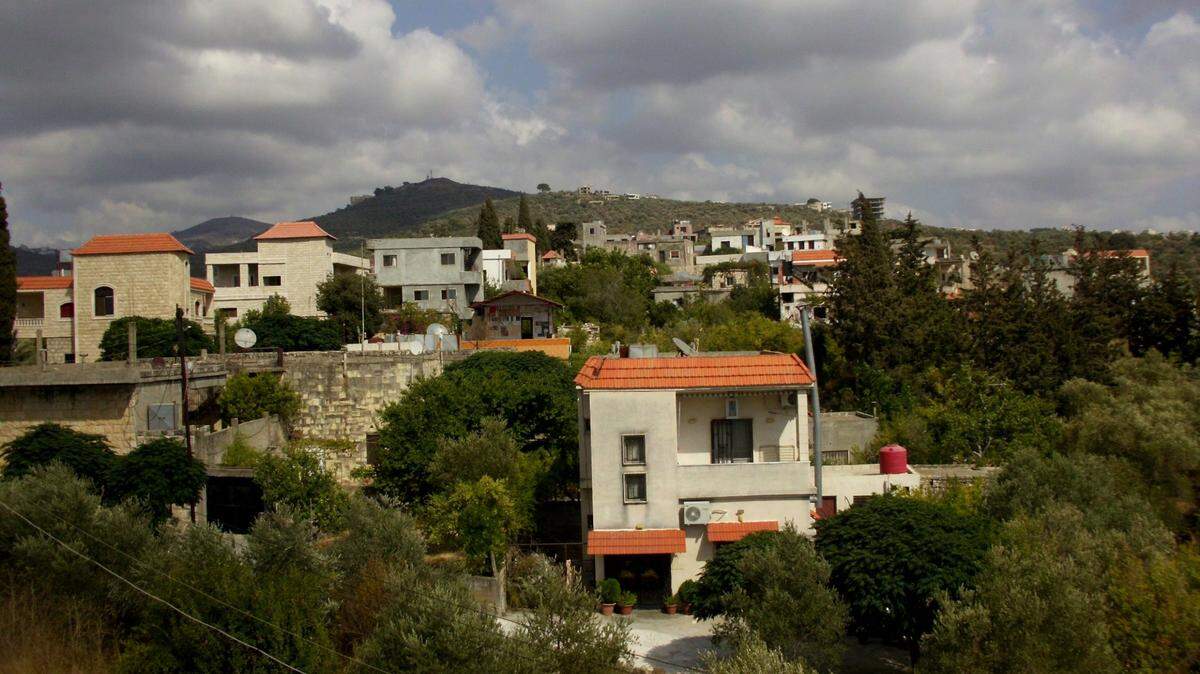
The ancient artwork was found beneath a home in Maryamin, a village in western Syria — located about 40 miles from the Mediterranean Sea — according to a news release from the Directorate-General of Antiquities and Museums.
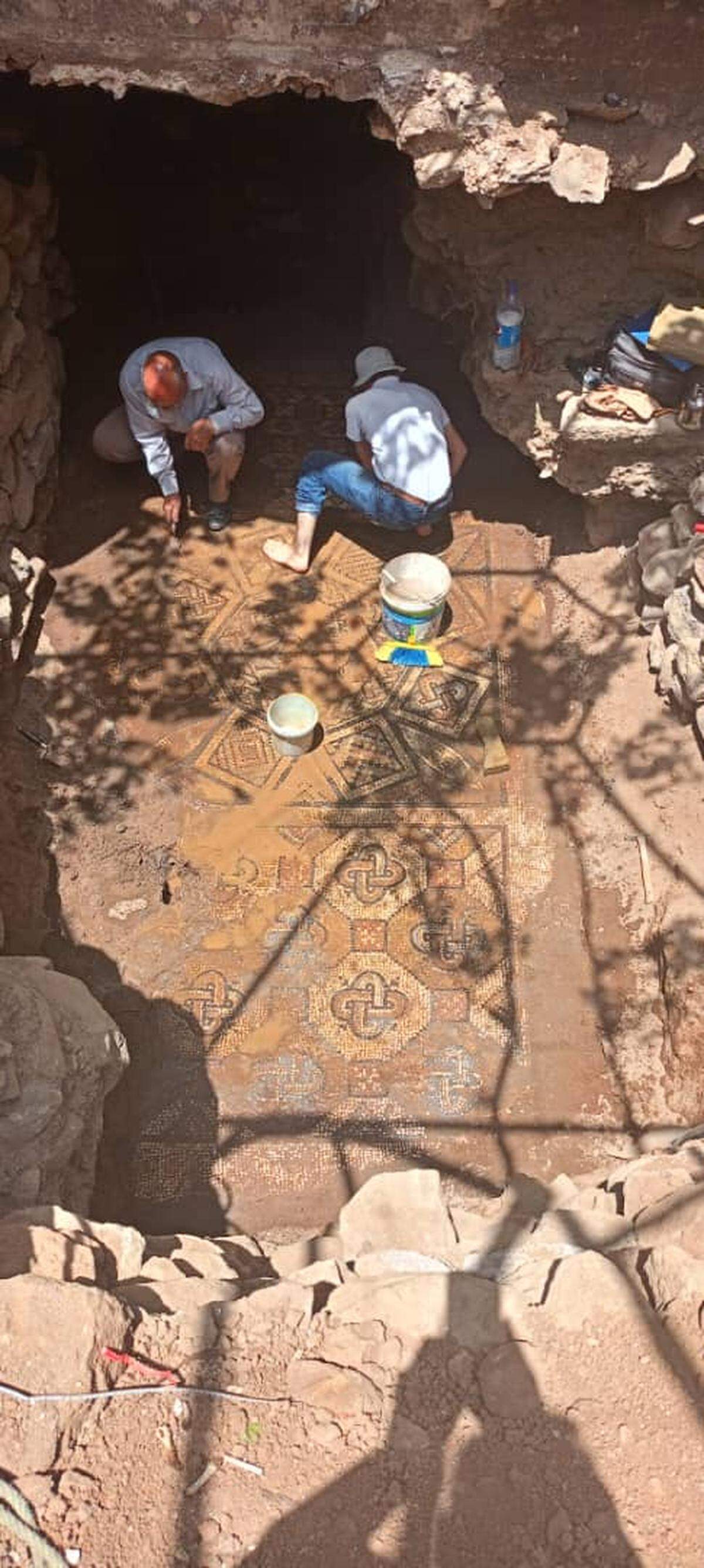
It was uncovered by sheer happenstance. While digging a well inside the home, workers stumbled upon the intact mosaic about eight feet underground.
Measuring about 14 feet long and six feet wide, the piece is composed of colorful stone cubes.
Photos show archaeologists carefully excavating the rectangular work, with parts of it covered under layers of dirt.
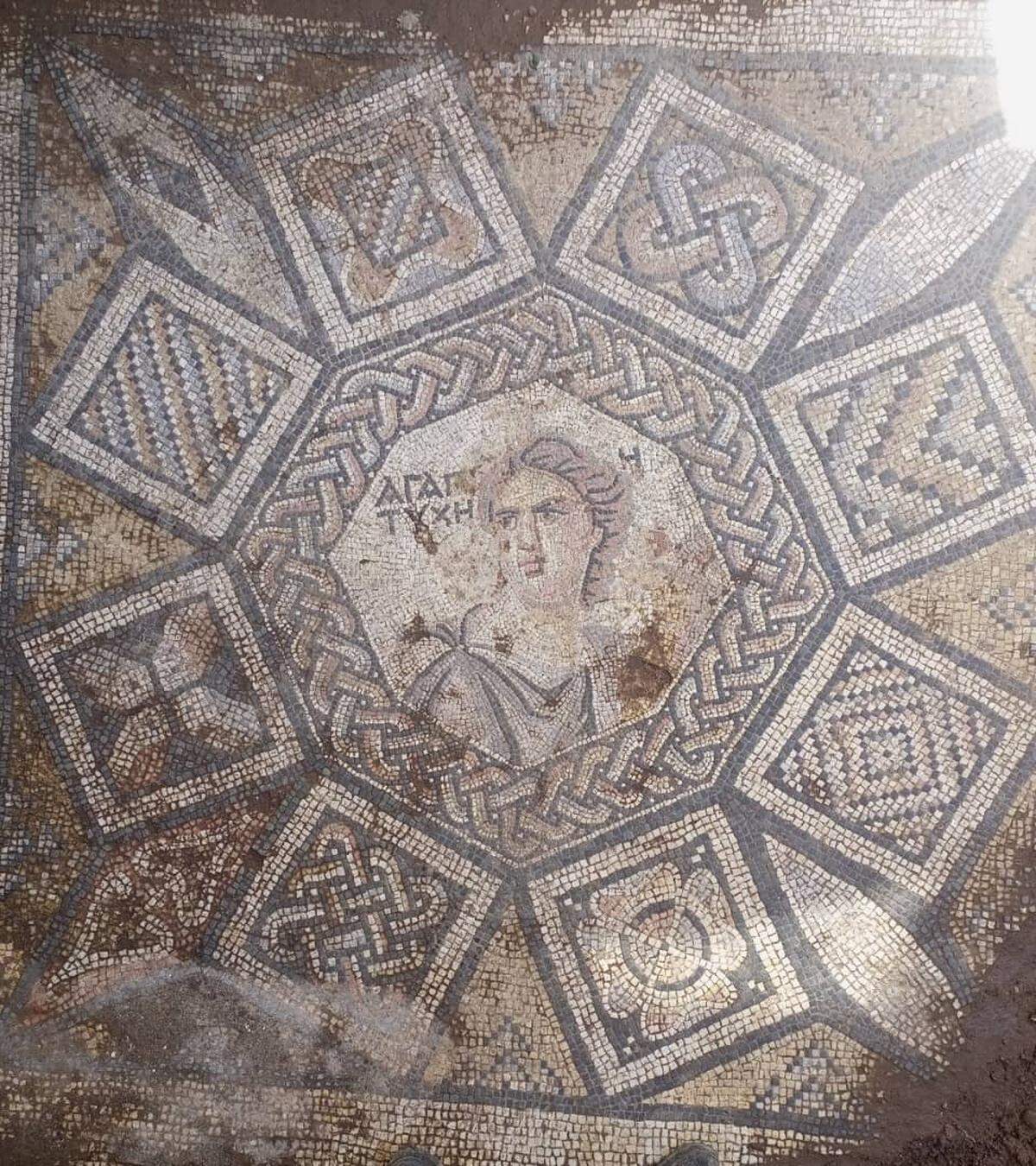
The mosaic depicts Tyche, the Greek goddess of luck, who was later co-opted and renamed Fortuna by the Romans. The deity was likely associated with prosperity and also fertility, according to Britannica.
Next to the goddess — framed in an octagon wreathed in braids — is a brief Greek inscription, which translates to “good luck.”
She is surrounded by eight squares filled with geometric shapes.
The mosaic dates to the Roman Era, which began in 64 A.D. — about 2,000 years ago — when the Roman general Pompey conquered the region, according to Dumbarton Oaks, a Harvard University research center.
The province, which spans parts of modern-day Syria, Turkey, Israel, Lebanon and Palestine, became among the most important and wealthy in the entire empire.
Under Roman rule, Syria was a bustling commercial hub “overflowing with grain, wine and oil,” with its grapes rated “second to none in sweetness,” according to an American Philological Association research article.
But, several centuries later, the province was taken over by the Byzantine Empire.
Numerous other mosaics have been unearthed in the Maryamin area, including one depicting female musicians, currently on display at a regional museum, the release said.
And in 2018, a massive, 65-foot Roman Era mosaic was discovered in Rastan, about 125 miles north of Damascus, McClatchy News previously reported.
Google Translate was used to translate a news release from Syria’s Directorate-General of Antiquities and Museums.
This story was originally published May 23, 2025 at 11:05 AM with the headline "Sprawling Roman-era mosaic — for goddess of luck — found under home, photos show."