Ancient waiting bench for the bored found near famous villa in Pompeii. See it
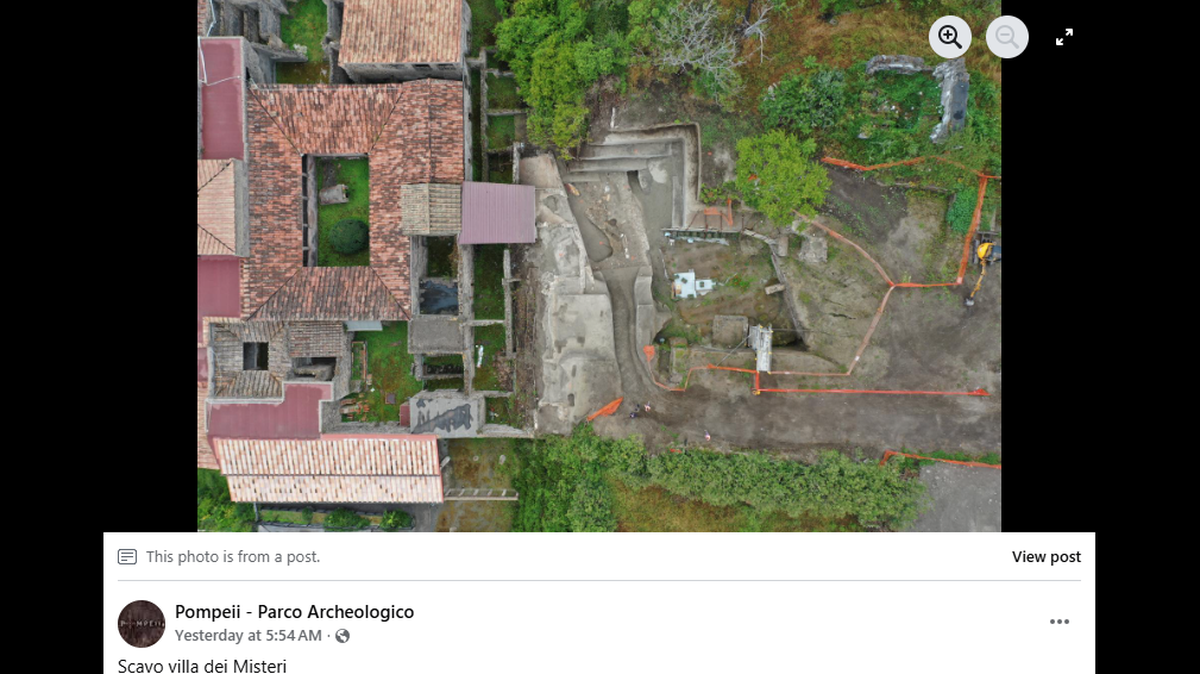
Before Pompeii became known for being the city covered in ash, the bustling town was home to travelers and Romans alike.
An ancient version of a resort town, Pompeii held vacation homes for the wealthy, shops, trading posts and elaborate art and culture.
This lifestyle was on display at a place called the Villa dei Misteri, the Villa of Mysteries, which has become one of the most visited sites just outside the city walls, according to officials.
Intricate and saturated frescoes cover the walls. Large kitchens and ovens are unique to this home, and the residential area is nothing short of luxurious.
But one feature, recently discovered during excavations around the villa, sheds light on the less glamorous side of living in Pompeii.
Along a public road in front of the villa’s entrance, archaeologists uncovered what they are calling a waiting bench, according to a Sept. 10 Facebook post and news release from the Pompeii Archaeological Park.
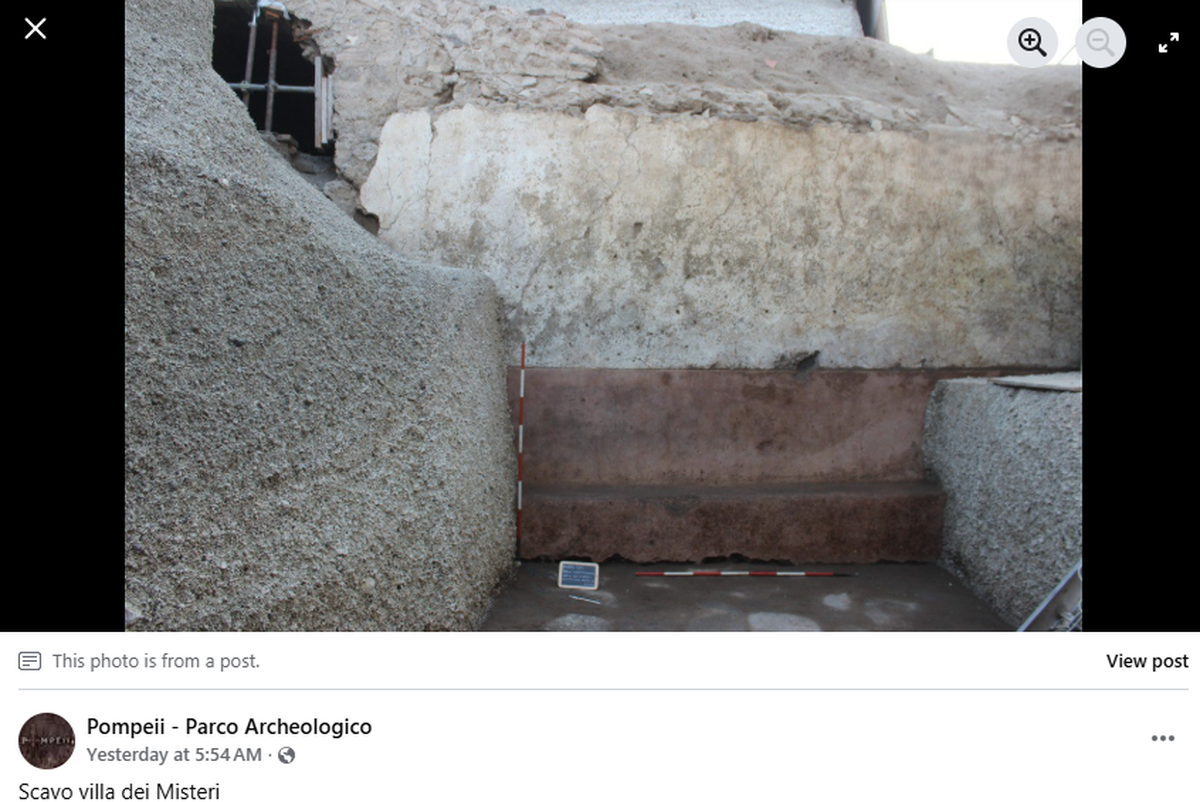
The complex was originally explored in 1909 and 1910, but projects in the century since have expanded the excavation to more of the surrounding area near the villa, officials said.
While the bench was found near the entrance, those choosing to spend their time sitting along the road were likely not guests or art lovers, according to the release.
Instead, the bench was likely used by bored patrons.
Roman masters, like the one who would have owned the villa, would receive clients in the morning in a meeting called a “salutatio,” officials said. People lower in the societal rankings could come and see the master and ask for favors, legal assistance, loans or offer political support.
However, when one went to meet the master, they were unaware if they would be seen or when they could hope to take a meeting, officials said.
It was possible the master had stayed up late the night before and was sleeping in, or he may have just decided on other things to do for the day, Pompeii director Gabriel Zuchtriegel said in the release. It means people who had come for a salutatio may have to wait for extended periods of time in hopes of having a turn with the master, and in this case, they would wait on the bench in front of the villa.
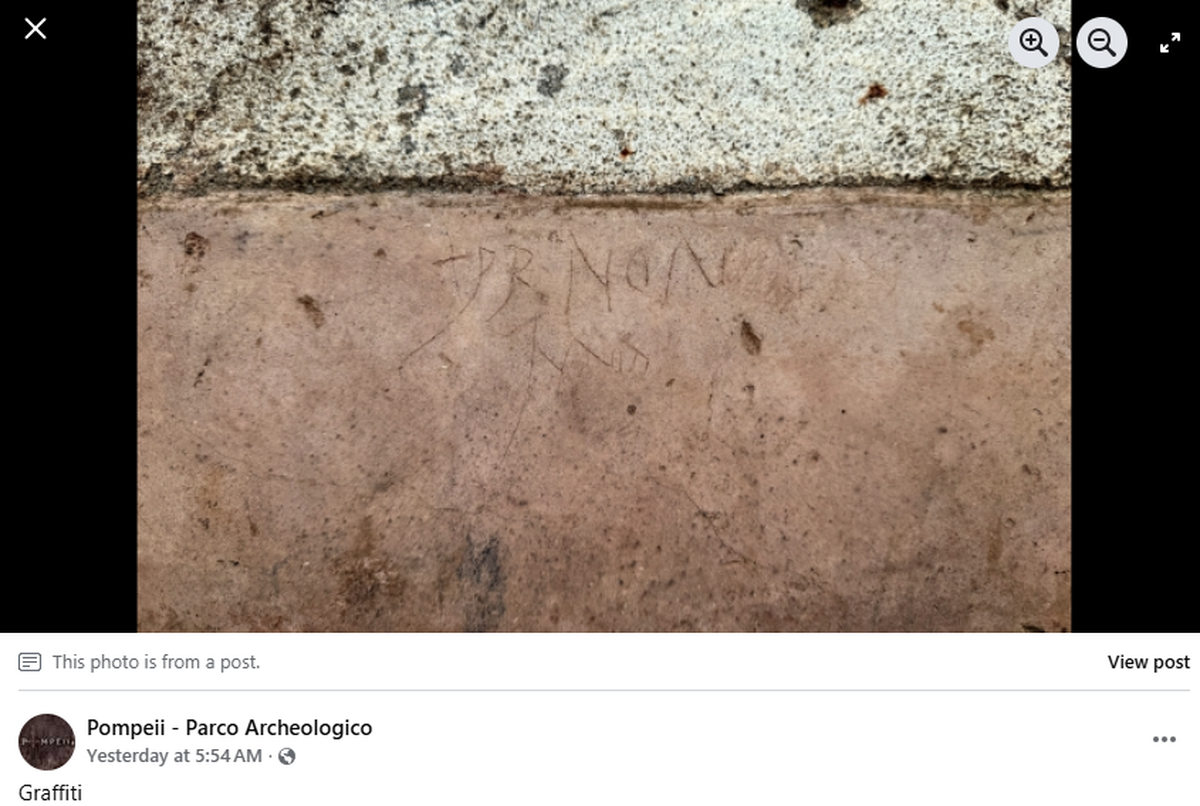
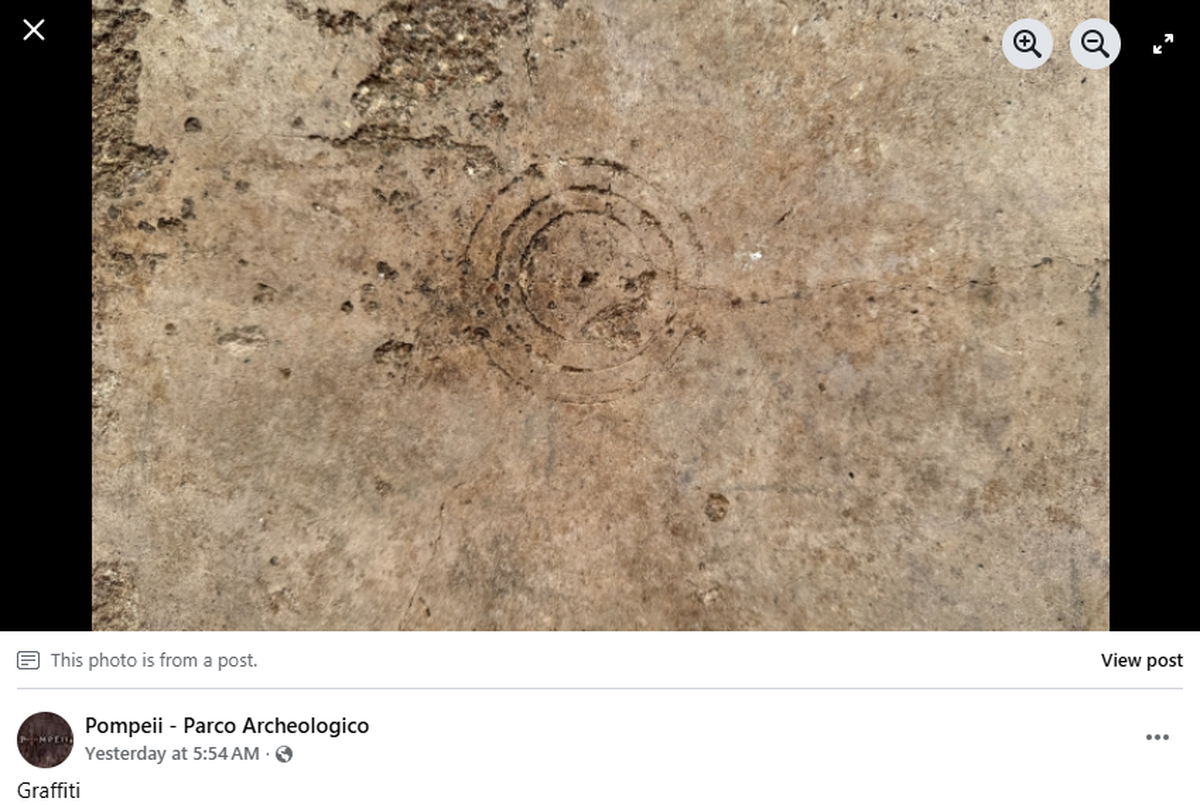
On the bench, archaeologists found graffiti, likely left by a patron trying to kill time, officials said. Someone might have written on the wall with charcoal or even carved into the stone with a sharp object as a way of entertaining themselves.
In one section, a date without the year and a possible name are legible, Zuchtriegel said.
It is two sides of a coin, Zuchtriegel said, where some of the cities most elaborate artwork is just on the other side of the entrance, but reserved for the elite, while the bench graffiti comes from those unable to enter.
Benches like the one at the Villa of Mysteries have been found at other significant domus, or homes, in Pompeii, like a waiting room for a doctor’s office, officials said. In the Roman culture, the more benches and waiting patrons outside a villa, the more important the master inside was to the community.
Other discoveries made during excavations near the villa include the original entrance, rooms decorated in a different Pompeian style, paintings with yellow and black backgrounds and ornamentation, and part of a servants’ quarters that is still buried in ash, according to the post.
Excavations have also shown the stratification that occurred during the 79 A.D. eruption of Mount Vesuvius as lava flowed across the landscape and sealed the rooms of the villa in layers of pumice rock, officials said.
Pompeii is on the southeastern side of modern-day Naples, in west-central Italy.
Google Translate and Facebook Translate were used to translate the news release and Facebook post, respectively.
This story was originally published September 11, 2025 at 6:21 PM with the headline "Ancient waiting bench for the bored found near famous villa in Pompeii. See it."