
Traffic flows through Hormuz as US-Iran deal takes effect with questions remaining
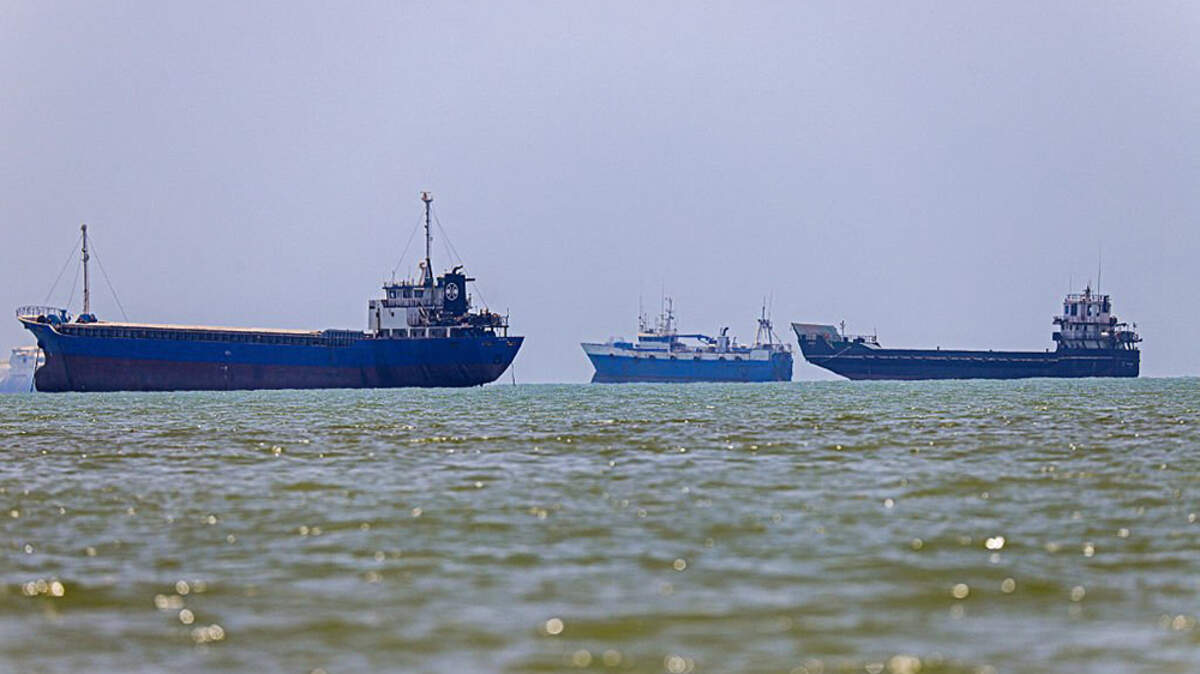
WASHINGTON/DUBAI - Oil tankers sailed through the Strait of Hormuz and the United States said it lifted its blockade on Iran on Thursday as an interim deal to end the war took effect, though key issues are still unresolved between the two countries.
Vice President JD Vance pulled out of a planned trip to meet Iranian negotiators in Switzerland on Friday to begin complex talks on implementing the 14-point agreement struck between Tehran and Washington to end their war, a White House spokesperson said.
U.S. officials said this week they would hold a formal signing ceremony for the U.S.-Iran agreement in Geneva, but Iran’s foreign ministry cast doubt on that, saying it was unnecessary after both countries’ presidents signed the agreement on Wednesday.
Oil prices dropped to their lowest level since March 2, as analysts said exports through the strait, which handles about one-fifth of global oil supply, could return to normal in the coming months.
Brent crude, the global benchmark for oil, remained near $80 a barrel. West Texas Intermediate crude, the U.S. benchmark, also remained relatively static around $77 a barrel.
However, futures prices began to rise after Vance warned Israel against further attacks on Hezbollah in Lebanon, raising questions about whether the agreement would hold.
Gas prices fell again, dropping below $4 a gallon for the first time since the early days of the war, according to the AAA motor club. The price of gasoline is still about a third higher since the war began.
Gas prices don’t move in lockstep with crude, usually trailing increases or drops by a few days.
The average price of diesel also fell Thursday, to $5.13. It remains more than 35% higher since the start of the war.
In Washington, some of President Donald Trump’s Republican allies in Congress questioned whether he had given up too much in order to end the conflict, which is unpopular with U.S. voters.
The Department of Defense needs $80 billion to cover costs from the Iran war as well as other non-war-related bills, Deputy Defense Secretary Stephen Feinberg told lawmakers in phone calls this week, the Wall Street Journal said on Thursday, citing people familiar with the matter. Reuters could not immediately verify the report.
What’s next
Iran’s Supreme Leader Ayatollah Mojtaba Khamenei said Trump signed the deal “out of desperation” and signaled that upcoming talks over Iran’s nuclear program - Trump’s stated reason for starting the war - would not be easy.
“If the American side wants to be too demanding, we will not accept it,” he said in a written message.
The deal gives negotiators 60 days to reach an agreement on the status of Iran’s nuclear program, and set up a $300 billion reconstruction fund for Iran and other financial incentives.
When he launched the war nearly four months ago, Trump said he aimed to destroy Iran’s nuclear weapons program, end its ability to strike its neighbors, prevent it from supporting allied militants in the region and make it possible for Iranians to topple their hardline leaders.
Though he initially demanded Iran’s “unconditional surrender,” Trump ultimately signed the agreement with none of those objectives met.
U.S. officials say the negotiations could still yield a strong agreement on Iran’s nuclear program. But critics say Iran is in a stronger position now, having withstood a superpower attack, exerted control of the Strait of Hormuz and gained valuable waivers to financial sanctions.
Iran signaled it will still exert control over the strait, saying it will issue permits and direct traffic during the 60-day period, though no fees will be charged during that time.
Trump, Vance warn Israel
But in Lebanon, where more than a million people are displaced by the fighting, Israeli forces launched fresh airstrikes early on Thursday, raising doubt about how far Trump will go to force his wartime allies to halt an offensive he has now pledged to end.
Trump said he expects a complete ceasefire on all fronts. “The United States is committed to PEACE, and we encourage everyone in the Middle East Region to maintain their commitment to allowing our negotiations to beautifully unfold,” he said on social media.
The deal calls for the “permanent termination” of the war in Lebanon and for its “territorial integrity and sovereignty” to be ensured.
Israel, which was not part of the negotiations, has said it has no intention of withdrawing from Lebanon and released a new map showing an expanded occupation zone.
Trump has become openly critical of Israel’s operations in Lebanon, leading to one of the biggest rifts between the two countries in decades.
Vance warned Israel to respect the peace process.
“If I was in the cabinet of the Israeli government, I might not be attacking the only powerful ally that I have anywhere left in the entire world,” he said at the White House.
Copyright Reuters or USA Today Network via Reuters Connect.
This story was originally published June 18, 2026 at 9:05 PM.