‘Nobody wins,’ PA officials say of proposed SNAP cuts during stop at Centre County farm
AI-generated summary reviewed by our newsroom.
- PA officials warn SNAP cuts would harm food systems, farmers and low-income families.
- SNAP supports over 50,000 Pennsylvania farm families and 10,000 food retailers monthly.
- The proposed bill reallocates SNAP funds to defense, energy, cutting $295B over 10 years.
As the U.S. House of Representatives met to take up President Donald Trump’s massive domestic policy bill, Pennsylvania officials gathered Wednesday in Centre County to push back against the bill’s proposed Supplemental Nutrition Assistance Program cuts.
Held at Wasson Farm Market, event attendees, including Pennsylvania Agriculture Secretary Russell Redding and state Rep. Paul Takac, D-College Township, blasted Republican support for the bill while highlighting the state’s reliance on the SNAP program.
“SNAP helps millions of Pennsylvanians put food on the table, including almost 5,200 households here in Centre County,” Takac said.
The spending and tax bill, known as the One Big Beautiful Bill Act, extends Trump’s 2017 tax cuts and increases spending for border security, defense and energy production. The bill is partially paid for by cuts to programs like Medicaid and SNAP, CBS News reports. According to the Commonwealth Fund, the bill will cut SNAP by $295 billion over the next ten years, which would take away benefits from millions of Americans.
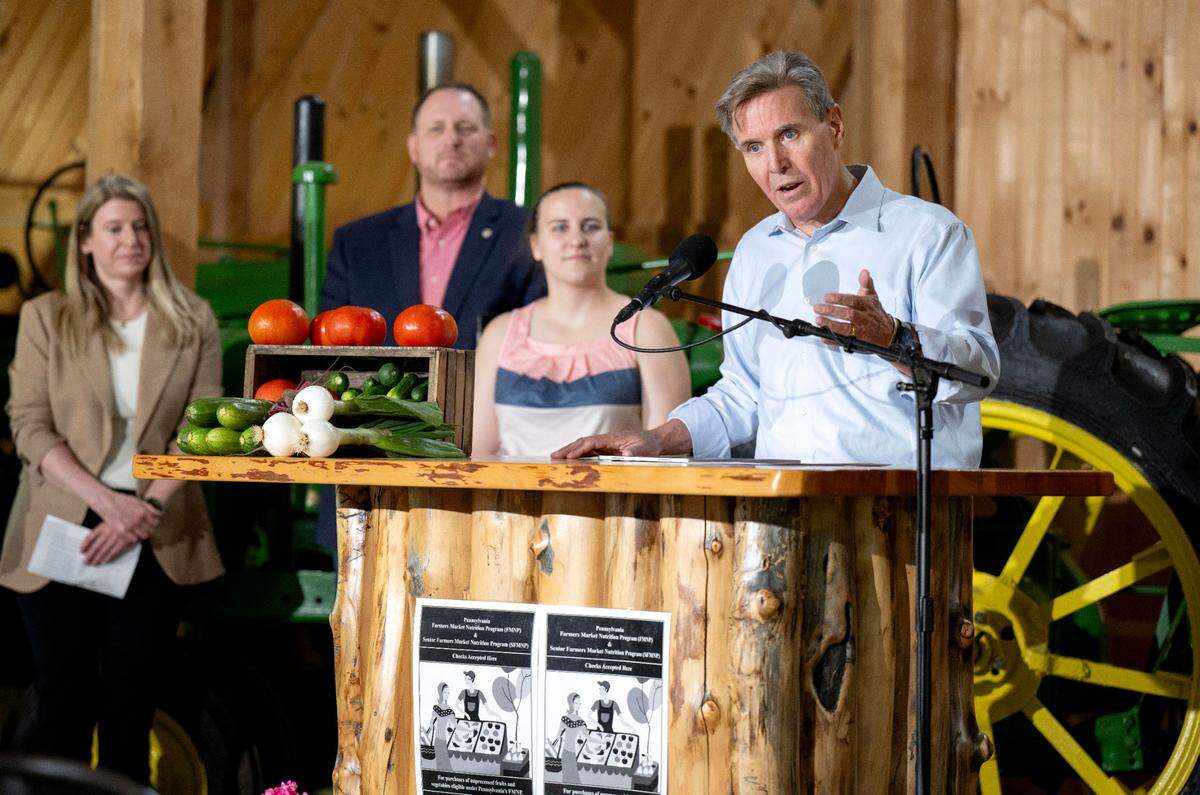
During their speeches, both Takac and Redding emphasized how SNAP cuts would hit farmers across the state.
“It’s not going to end well for the farmers, the food system, for the doctors, for the grocery stores, for the processors, for the food brands,” Redding said. “Nobody wins in this decision.”
According to a press release by the Pennsylvania Department of Agriculture, SNAP benefits reign in roughly $365 million a month. This money, the release said, supports over 10,000 grocers, food retailers and over 50,000 farm families in Pennsylvania.
More specifically, Centre County is home to over 1,000 farmers, occupying over 18.3% of land in the county. In Centre County, the press release said, nearly 9,000 residents receive SNAP benefits.
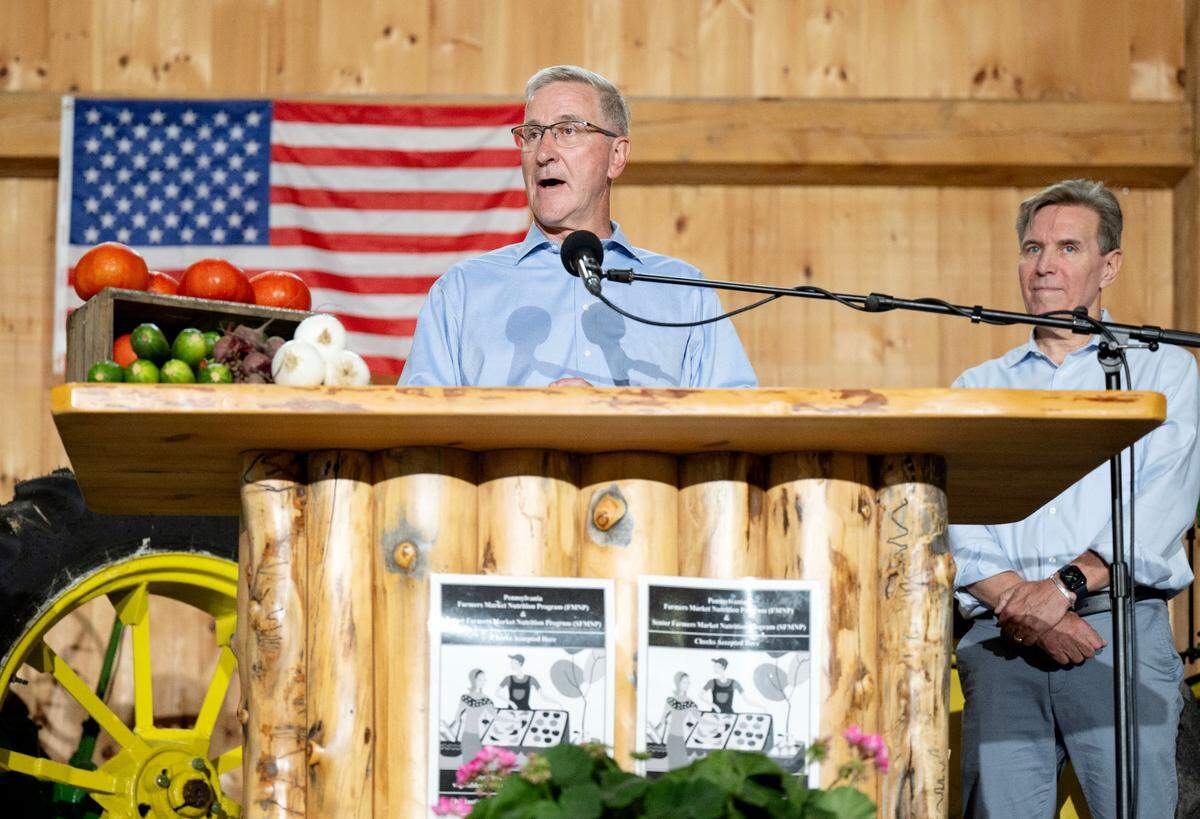
“What people need to also understand is farmers are also receivers of some SNAP benefits,” said Krystal Wasson, who is the daughter of Wasson Farm Market owners Ron and Candy Wasson. “Just because they do all they can to help support people that are suffering from hunger or in need, some farmers are right there with them.”
Andrew Barnes, Pennsylvania’s Department of Human Services Executive Deputy Secretary, also highlighted the health care implications the bill could have on Pennsylvanians.
“Multiple times per year, you’re going to have to do an eligibility for Medicaid,” Barnes said in reference to the bill’s proposed work reporting requirements and 6-month eligibility evaluations. “That requires workers, requires resources into the administrative function, which ultimately takes away some time for resources [going] directly to Pennsylvania.”
After the bill was introduced in May, Republicans swiftly passed it through the House that same month. After overnight deliberation earlier this week, the Senate passed the edited bill and sent it back to the House for approval. As of late Tuesday afternoon, the bill was still being deliberated ahead of the July 4 deadline.
Democrats and critics of the bill have spoken out against the impacts of the health care and food program cuts in particular.
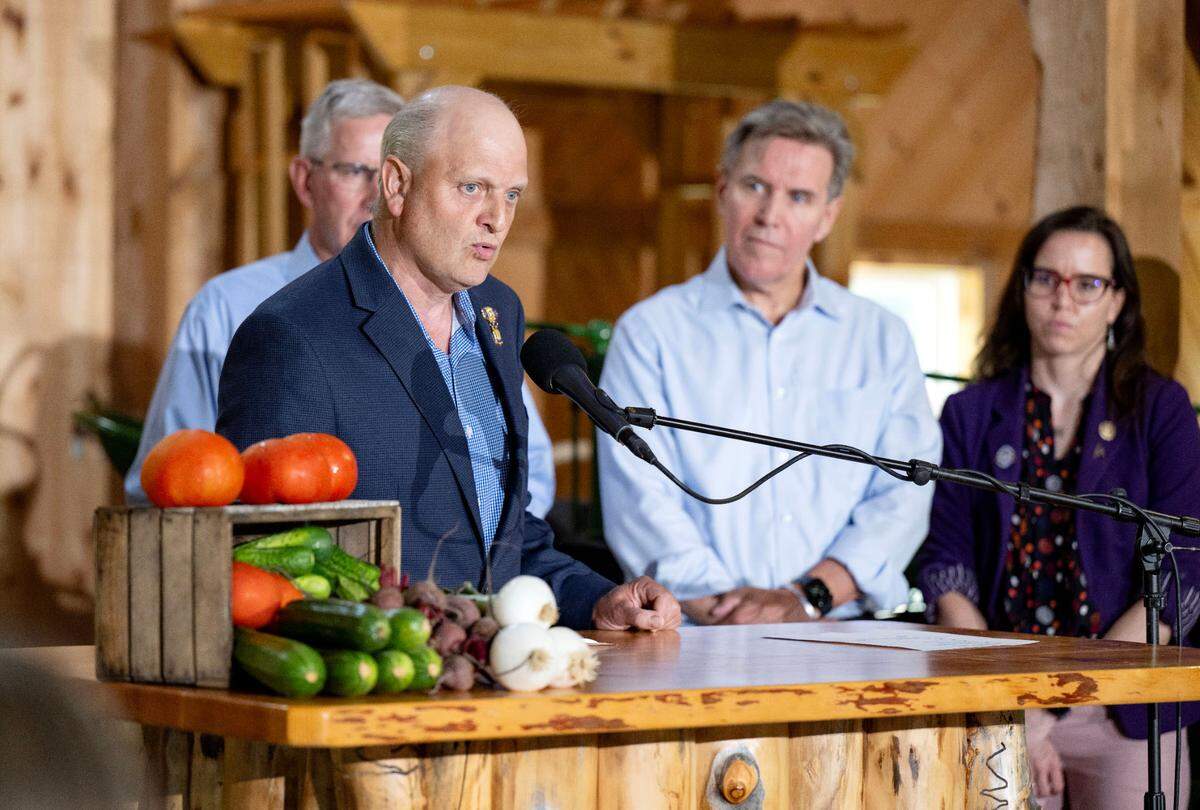
In Centre County on Wednesday, speakers also criticized U.S. Rep. Glenn Thompson, R-Howard, who supports the bill.
As the head of the House Agriculture Committee, Thompson has maintained that the bill benefits farmers.
“The bill also provides critical relief for farm families and restores integrity to programs like [SNAP], promoting workforce training as a means to create better opportunities for beneficiaries,” he wrote in his newsletter in May, after voting for the first version of the bill.
In a statement to the CDT and posted on the social media platform X on Wednesday, he took aim at Pennsylvania Gov. Josh Shapiro, who earlier in the day posted how much Pennsylvanians in each district will lose in Medicaid coverage and SNAP benefits if the bill is passed.
“Under his leadership, Pennsylvania’s SNAP error rates remained consistently high, hurting the very people the program is intended to help,” Thompson wrote. “His refusal to support the pathway to opportunity included in the Medicaid and SNAP reforms of the One Big Beautiful Bill shows a clear preference for dependency over dignity.”
If the bill were to pass, Redding said he doesn’t know what the next plan of action would be for the commonwealth, which has 48 rural counties.
“It’s going be painful,” Redding said. “We don’t know what the implications are, where the money is going to come from.”