
Primary election 2026: Who’s running to represent Centre County in Congress, PA House?
Pennsylvania US Representative District 15
Description of office: The US Constitution requires that the House of Representatives be composed of Representatives from each state, elected in proportion to population. There are 435 members of the House of Representatives, with 17 Representatives allotted to Pennsylvania after the 2020 census. A U.S. Representative must be at least 25 years old, have been a citizen of the United States for the past seven years, and be a resident of the state they seek to represent at the time of the election (though not necessarily the same district). The House of Representatives is responsible for introducing and voting on bills, resolutions and amendments, and for approving the budget. Representatives also serve on various policy committees. The House may send Articles of Impeachment of elected officials to the Senate and elects the President if there is a tie in the Electoral College.
Term: 2 years
Salary: $174,000
Ray Bilger
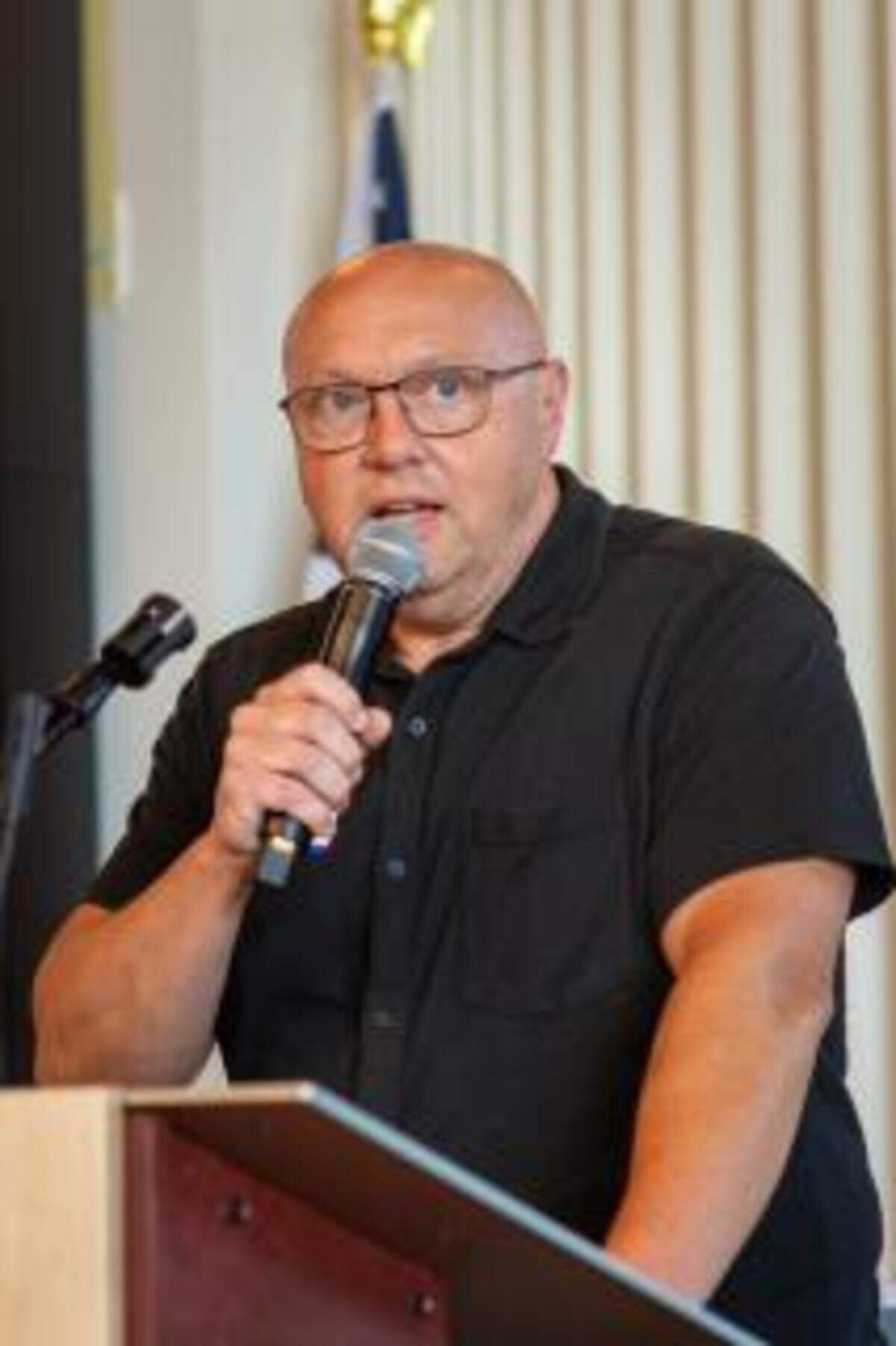
Party: Democratic
County: Centre
Occupation: Retired
Education: B.A UMGC, A.A.S CCAF
Qualifications: 4 decades of very diverse experience in foreign affairs: policy formation and strategy, geopolitics, high-level national security strategy. Diverse world view honed from years of experience living and working abroad paired with fluency in seven foreign languages.
Campaign website: bilgerforcongress.com
Facebook: www.facebook.com/profile.php?id=61588097334475
Instagram: www.instagram.com/raybilgerforcongress/
Q: What are the most pressing issues facing your district and our country, and how would you address them?
A: Since PA15 is such a large district (18 counties), the severity of the problems tend to fluctuate in priority depending upon the county. However, if I could pinpoint one general issue which affects every county, it would have to be affordability. The simplest way to address this general issue would be to reclaim the responsibility of Congress to perform budgetary functions such as ensuring appropriated funds are distributed to states, and to reclaim tariff authority from the executive branch. Once those tools are returned to their rightful place, then work can begin on the more complex aspects of affordability.
Q: What do you see as the role of Congress in oversight of the executive branch?
A: Congress (legislative) is a co-equal branch of the executive and judicial branches. We must return this balance to our system and provide apolitical oversight to the other branches of our government. Partisanship has no role in this obligation.
Q: What role should Congress play regarding foreign policy and international relations?
A: Congress must understand that their decisions impact the way other nations view our country and act in the best interests of our nation which must take into account our foreign partner relationships. We must engage with the executive branch to ensure that any acts of hostility toward other nations, be they verbal or physical, are well thought out and in the best interests of our nation and our relationships with our allies.
Q: What legislative changes, if any, are needed to make healthcare more accessible and affordable?
A: I can state unequivocally that our healthcare system is deeply flawed. Healthcare should be patient-centric, not profit-centric. We do an abysmal job of providing healthcare, especially preventative care, at affordable prices. Americans pay far more for healthcare than any other developed country yet we receive some of the worst care. Here in PA15, we have serious problems with access to healthcare and pharmacies. We need to reinvent our entire healthcare system, but until that time we need to find legislative means to make healthcare more affordable and available to all our citizens, but especially those in our rural communities because it is truly a life or death situation.
Glenn “GT” Thompson
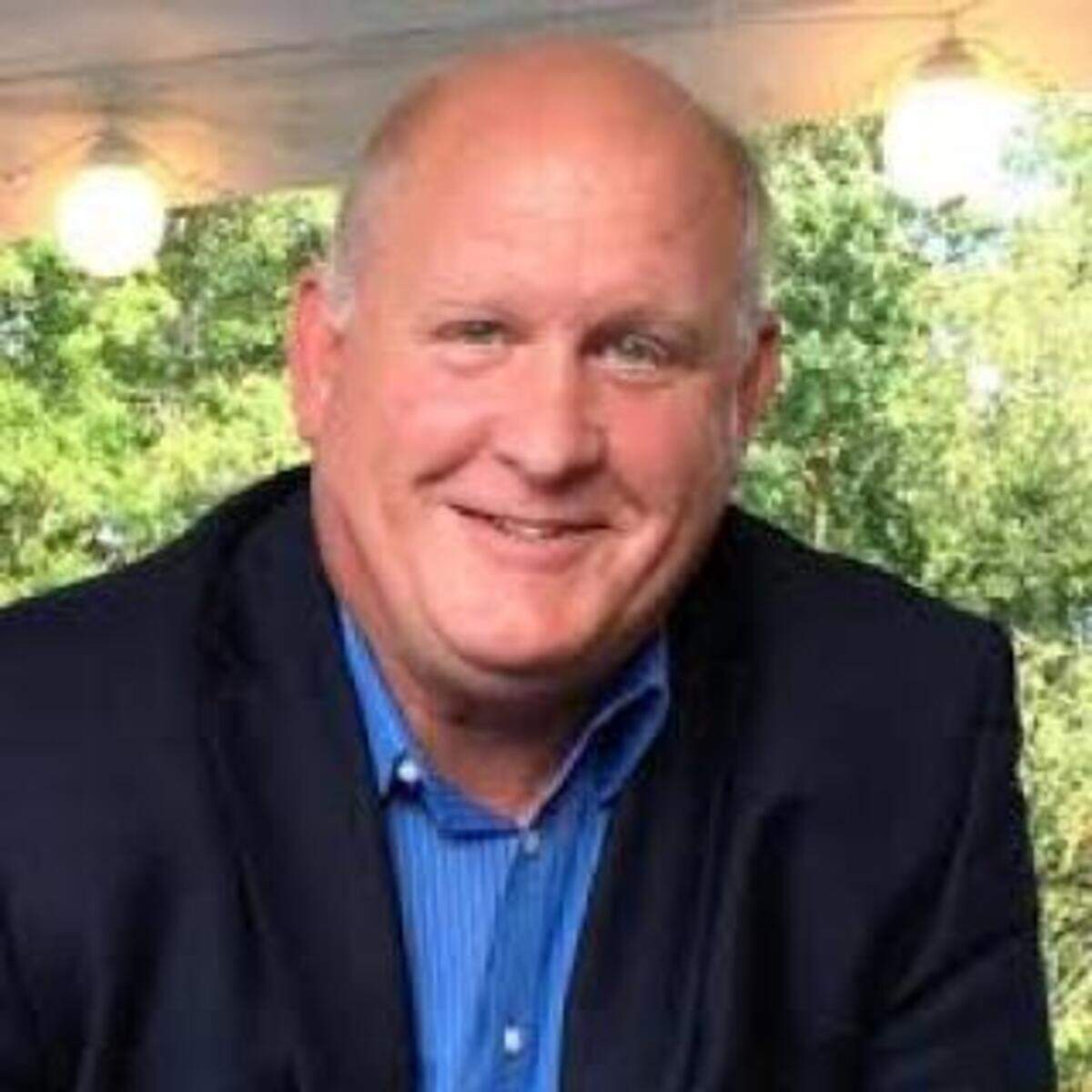
Party: Republican
County: Centre
Occupation: Member of Congress, U.S. House of Representatives
Education: B.S. the Pennsylvania State University, M.A. Temple University
Qualifications: Former Therapist and Licensed Nursing Home Administrator; Former Bald Eagle School Board Member; Former Centre County GOP Chairman; Member of Congress PA-5 (2009-2019); Member of Congress PA-15 (2020-Current).
Campaign website: GTThompson.com
Facebook: facebook.com/TeamGT/
Q: What are the most pressing issues facing your district and our country, and how would you address them?
A: I’ve had great legislative successes this year with the Whole Milk for Healthy Kids and Secure Rural Schools bills being signed into law. There is still work to be done, like prioritizing a long-term Farm Bill, which will provide stability and an affordable food supply for consumers. Throughout my time in Congress, I have worked in a bipartisan manner to achieve common ground and consensus. I credit my career in healthcare and volunteer experiences — whether through Scouting, as an EMT and firefighter, or on the school board — for providing me the ability to work with people from all walks of life. I believe the constituents expect this from their representatives. It is an honor to serve them, and I am humbled by their continued support.
Q: What do you see as the role of Congress in oversight of the executive branch?
A: There is a reason that Congress was established in Article I of the Constitution, with the creation of the People’s House. Oversight is of great importance. Checks and balances allow for refinement of executive branch actions. As Chairman of the House Agriculture Committee, each of our subcommittees have an oversight role to ensure that USDA is doing right by the people it’s supposed to be serving. Early last year, I successfully made the case to reduce and ultimately remove tariffs on Canadian potash imports, a critical input for American Agriculture. This is just one small example of the oversight that occurs on a daily basis. It’s not always loud and flashy, but we are making an impact and creating positive outcomes.
Q: What role should Congress play regarding foreign policy and international relations?
The U.S. plays a critical role in shaping international policy together with countries that share our values. There are a number of diplomatic tools at our disposal that can discourage bad actors. As the father of a retired Purple Heart Wounded Warrior, I know the sacrifices young men and women make serving our country. We owe them a debt of gratitude and as a Member of Congress, I do not take my duty lightly when it comes to potentially putting our troops in harm’s way. I believe we have the best-funded, highly trained, and lethal fighting force on the planet. That strength helps to keep peace and combined with diplomacy, the U.S. and our allies can maintain stability and collaboratively work toward a prosperous future.
Q: What legislative changes, if any, are needed to make healthcare more accessible and affordable?
A: Prior to being elected to Congress, I spent nearly 30 years working in nonprofit healthcare, focused on helping individuals with life-changing diseases and disabilities. During that time, I also served as national president of my professional association, advocating for policy changes that would reduce red tape and put the needs of the patients first. One area of care that has become increasingly important for our region is telemedicine, which improves health equity by increasing access to care, especially in rural communities. Technology and innovation will help reduce costs, but we will always need strong community hospitals, and we must work to remove the social, economic, and geographic barriers that keep people from accessing care.
Pennsylvania State Representatives
Description of office: The General Assembly is the legislative branch of government in Pennsylvania. It is composed of two houses: the Senate is the upper house, and the House of Representatives is the lower house. A majority vote in both houses is necessary to pass a law. The PA House of Representatives consists of 203 members representing one district each, with an equal number of constituents. Representatives must be at least 21 years old, have been a citizen and a resident of the state four years and a resident of their respective districts one year before their election, and shall reside in their respective districts during their terms of service. The House develops budget packages, makes taxation decisions, allocates spending, and passes laws (including redistricting in collaboration with the Senate). The House also has the exclusive authority to impeach public officials. Representatives also serve on various policy committees that may propose legislation.
Term: 2 years
Salary: $113,591
House District 77
H. Scott Conklin
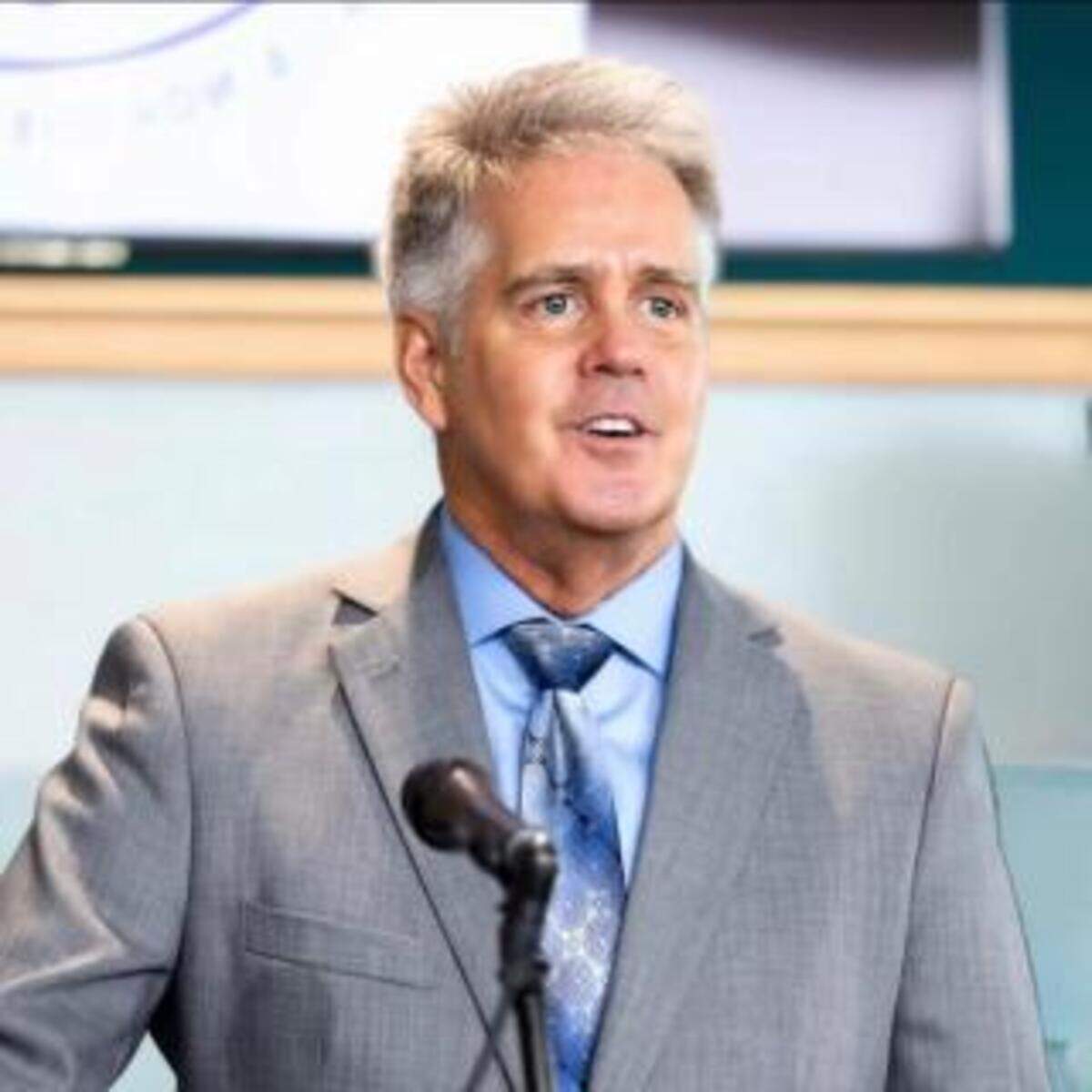
Party: Democratic
County: Centre
Occupation: State Representative
Education: Clearfield County Vocational Technical School
Qualifications: Incumbent State Representative; Centre County Commissioner; Carpentry business owner.
Campaign website: scottconklinpa.com
Facebook: facebook.com/ScottConklinPA/
Instagram: instagram.com/scottconklinpa
Q: What do you see as the most pressing issues facing residents of your district, and how would you address them?
A: Protecting personal freedoms, the right to vote, and ensuring all Pennsylvanians are heard. Protecting our environment so farmers can continue to produce, the outdoors can be enjoyed and our children have a future home. Protecting workers’ rights. We need to ensure that every worker in the Commonwealth receives good wages and is treated with dignity in the workplace.
Q: What changes, if any, would you support to enable better access, ensure security, and support the processes of our elections?
A: My election package would address the issues that have arisen. It would allow pre-canvassing and put in clearer guidelines for the system. We also need to step back and publicly appreciate and support the public servants who step forward year after year to ensure our elections are fair and secure. Public officials need to step forward and clearly articulate the process to regain trust where it has been lost. The procedures are in place and need to be publicized over and over again.
Q: What are your thoughts on the state budget process? What changes, if any, would you support so that the budget is enacted in a timely manner?
A: I have always maintained that legislators should not be paid until we pass a budget each year, and have authored and supported legislation to enact this.
Q: Should the state legislature enact laws concerning the impacts on water, energy, or land use from the development and operation of data centers? Would state regulation of data center development and operation interfere with the authority of municipalities to establish ordinances under the MPC (Municipal Planning Code)?
A: We’ve taken the first step in the House with proactive, regulatory legislation. This includes: protecting ratepayers by explicitly prohibiting large data centers from shifting costs to households and small businesses, requiring data centers to pay their fair share for costs, requiring data centers to use cleaner energy, improve energy reliability, and reduce emissions.
Michelle Schellberg
Party: Republican
County: Centre
Occupation: Elected Chair for the Centre County Republican Committee (Volunteer)
Education: BA Applied Mathematics (UCSD)
Qualifications: With a background in applied mathematics, experience in education, and a proven record of leading and growing community organizations, I bring the discipline and problem-solving needed to serve District 77.
Campaign website: schellbergforpa.com
Facebook: facebook.com/schellbergforpa
Instagram: instagram.com/schellbergforpa
Q: What do you see as the most pressing issues facing residents of your district, and how would you address them?
A: When I talk to people across District 77, I keep hearing the same things. Costs are up, energy bills are high, and people are worried about their future. They want good-paying jobs and they want to protect the quality of life in their communities. I’m focused on strengthening our local economy, supporting job opportunities, and helping keep costs under control. At the same time, we need to make sure our communities, both rural and more developed, have what they need to stay strong. I want people here to feel like if they work hard, they can support their families and build a secure future. That’s what I’m focused on.
Q: What changes, if any, would you support to enable better access, ensure security, and support the processes of our elections?
A: People should be able to trust our elections. It should be easy for every eligible voter to vote, and just as important, people need to know the process is secure and done the right way. I support making sure the system is clear, consistent, and easy to understand so voters feel confident participating. Transparency matters. People should know how elections are run and feel confident in the results. My focus is simple. Make voting accessible, make the process secure, and make sure it is handled fairly for everyone.
Q: What are your thoughts on the state budget process? What changes, if any, would you support so that the budget is enacted in a timely manner?
A: People expect the state to live within its means and get the budget done on time. When it’s late, it creates uncertainty for schools, local communities, and families. I believe the process should be more straightforward and focused on priorities from the start, not rushed at the last minute. People deserve to know how their tax dollars are being spent. My focus is simple. Be responsible with spending, be transparent about decisions, and get the job done on time.
Q: Should the state legislature enact laws concerning the impacts on water, energy, or land use from the development and operation of data centers? Would state regulation of data center development and operation interfere with the authority of municipalities to establish ordinances under the MPC (Municipal Planning Code)?
A: As we see more development like data centers, we need to be thoughtful about how it impacts our water, energy, and land. These projects can bring opportunity, but they also affect the communities where they are built. I believe local communities should have a strong voice in those decisions, because they are the ones living with the impact every day. At the same time, there may be a role for the state to provide clear guidelines so things are done responsibly. My focus is on balance. Support growth and opportunity, protect our resources, and make sure the people in the community have a say in what happens around them.
House District 82
Paul Takac
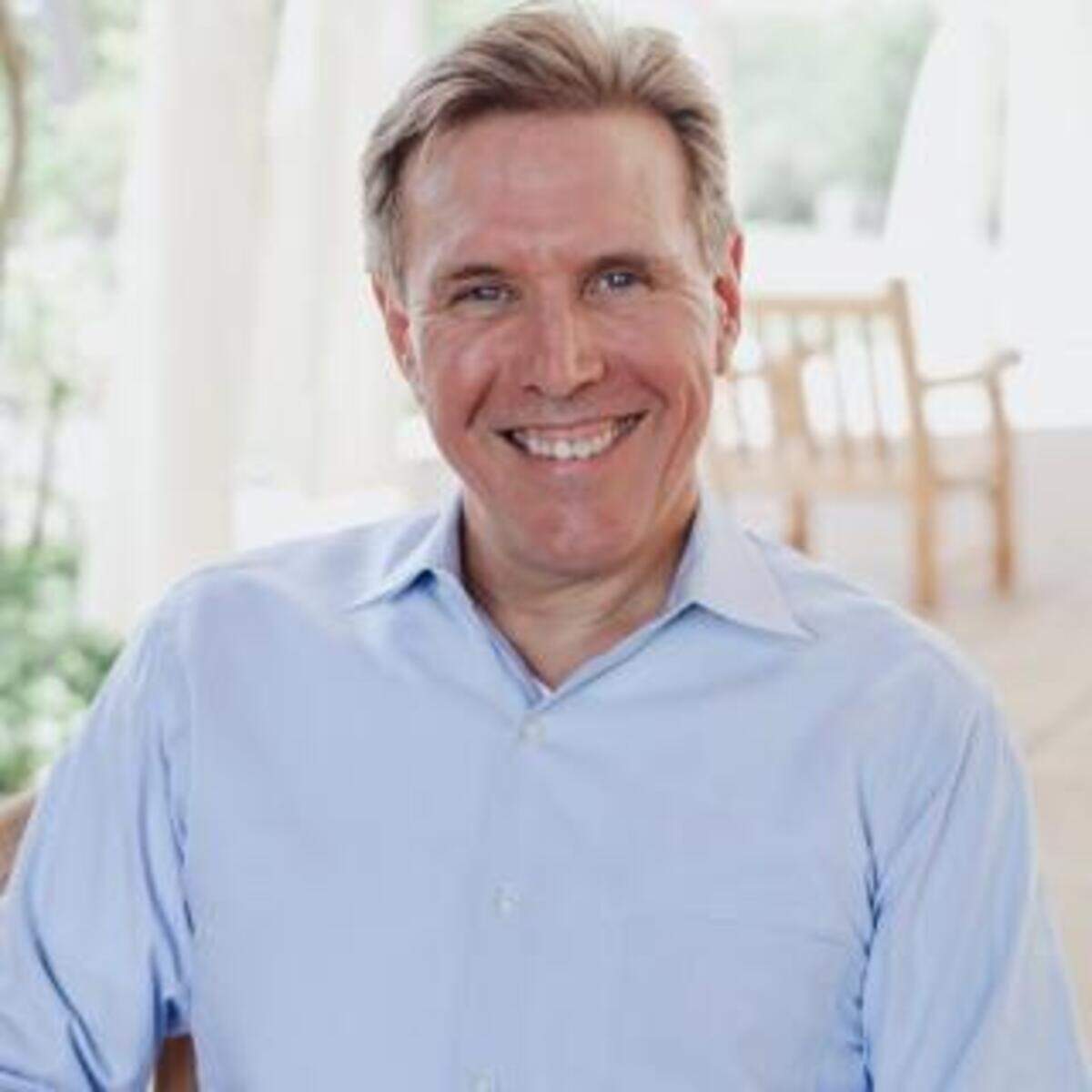
Party: Democratic
County: Centre
Occupation: State Representative, 82nd Legislative District
Education: Maryland University of Integrative Health - MS, nutrition and integrative health. Southern Methodist University - MA, archaeology, anthropology. University at Buffalo, State University of New York - BA, anthropology
Qualifications: I am currently serving in my 2nd term as the Representative for PA House District 82. Prior to being elected to the State House, I was a member of the College Township Council, Chair of the Spring Creek Watershed Commission and Chair of Centre Region Council of Government’s Public Safety Committee
Campaign website: paultakac.com
Facebook: facebook.com/PaulTakacPA
Instagram: instagram.com/paultakac_pa
Q: What do you see as the most pressing issues facing residents of your district, and how would you address them?
A: Affordability. People are struggling with rising costs of housing, energy, groceries and healthcare. While many challenges require federal action, much can be done at the state level. We passed tax credits for Working Pennsylvanians and for Child & Dependent Care while expanding the Property Tax/Rent Rebate Program. I’ve helped deliver nearly $40 million in infrastructure grants for every community in the district. I am focused on real relief for working families, including a living wage and paid family & medical leave. I continue to focus on reforming cyber charter school funding to keep more local taxpayer money in local school districts. I continue to support legislation to create local jobs and grow our regional economy.
Q: What changes, if any, would you support to enable better access, ensure security, and support the processes of our elections?
A: Every eligible voter should be able to participate in our democracy. I support vote by mail, extended registration, and the use of secure drop boxes in multiple convenient locations. This is important for working people and those with physical limitations and family obligations. I support same day registration, extended in person voting opportunities, and allowing independent voters to participate in party primaries. We must minimize barriers to timely administration of elections by allowing pre-canvassing and expediting ballot curing or correction opportunities. I support budgetary and legislative support to help protect our election workers.
Q: What are your thoughts on the state budget process? What changes, if any, would you support so that the budget is enacted in a timely manner?
A: Our challenges in delivering a timely budget arise from our current polarization and the political realities of a divided legislature. Compromise and moderation have too often been sacrificed for partisan games. Budgets are a statement of values and priorities, so while compromise is necessary we must stay true to core principles. I will continue to fight for education funding, working families, environmental protection, and strengthening local communities. We must focus on things that unite us rather than those that divide us. I hope this budget season that my colleagues on both sides of the aisle will see the benefits of finding compromise sooner rather than later, since delay has real consequences for those we serve.
Q: Should the state legislature enact laws concerning the impacts on water, energy, or land use from the development and operation of data centers? Would state regulation of data center development and operation interfere with the authority of municipalities to establish ordinances under the MPC (Municipal Planning Code)?
A: A wide range of issues must be taken into account to ensure that data centers benefit the Commonwealth and our local communities. Article 1 of the Pennsylvania Constitution tasks us with the responsibility to protect and preserve our shared public resources, including clean air, water and land. I voted for H.B.1834 which creates the first-ever regulatory framework for data centers in PA. This would protect ratepayers from even higher utility bills, increase renewable energy construction, and fund low-income energy assistance programs. H.B.1834 does not remove the authority of local governments to place zoning or other restrictions on data centers. I also look forward to implementing Gov Shapiro’s GRID framework to address this issue.
Kirsten McTernan
Party: Republican
County: Centre
Did not respond to questions.
House District 171
John Zangari

Party: Democratic
County: Mifflin
Occupation: Admin Support Specialist - Penn State University
Education: A.A and B.A in Criminal Justice - Northampton Community College and Kutztown University
Qualifications: Former Corrections Officer and Small Business Owner
Campaign website: votezangari.com
Facebook: facebook.com/votezangari
Instagram: instagram.com/votezangari/
Q: What do you see as the most pressing issues facing residents of your district, and how would you address them?
A: I believe affordability is one of the most pressing issues facing residents in our district. Too many families and individuals are struggling to make ends meet as costs continue to rise while wages remain stagnant. We need to take meaningful steps at the state level to relieve some of that pressure. My focus is on finding practical ways to ease the financial burden on working people by lowering the gas tax, cutting wasteful government spending, and improving access to programs that already exist, such as Pennsylvania’s property tax relief program. No one working full time should struggle to afford basic necessities. Addressing affordability means standing up for hardworking people and ensuring our state’s economy works for everyone.
Q: What changes, if any, would you support to enable better access, ensure security, and support the processes of our elections?
A: I support common sense reforms that improve access, security, and confidence in our elections. That means expanding early voting, making mail voting more efficient, using updated equipment like electronic poll books, and giving voters a chance to cure minor ballot errors. I also support automatic voter registration and strong protections for election workers and polling places. The goal should be simple: make it easier for eligible voters to vote, harder for bad actors to interfere, and easier for counties to administer elections fairly and accurately.
Q: What are your thoughts on the state budget process? What changes, if any, would you support so that the budget is enacted in a timely manner?
A: I believe Pennsylvania’s state budget process must prioritize transparency, accountability, and timeliness to better serve taxpayers. First, we need clear, line-by-line descriptions of every expenditure, so residents can see exactly where their hard-earned dollars are going and hold us accountable. Second, establish a firm annual deadline for passing the budget. If lawmakers fail to meet it, legislators should forgo pay until it’s enacted. This creates real incentive to avoid prolonged delays and shutdowns, like the months-long standoff last year that left government services in limbo. Finally, the people, not politicians, should vote on any legislative pay raises. Public service demands putting constituents first, not self-interest.
Q: Should the state legislature enact laws concerning the impacts on water, energy, or land use from the development and operation of data centers? Would state regulation of data center development and operation interfere with the authority of municipalities to establish ordinances under the MPC (Municipal Planning Code)?
A: Yes, the legislature should enact targeted laws addressing data center impacts on water, energy, and land use. These facilities demand massive electricity that can potentially raise utility bills and vast water for cooling, straining local resources. Proposals should include mandatory annual reporting on resource consumption, efficiency standards to minimize waste, requirements for a portion of clean energy use, and protections to prevent costs from shifting to ratepayers. State regulation would complement municipal authority under the MPC, setting statewide environmental baselines while preserving local zoning, permitting, and land use ordinances.
Kerry A. Benninghoff
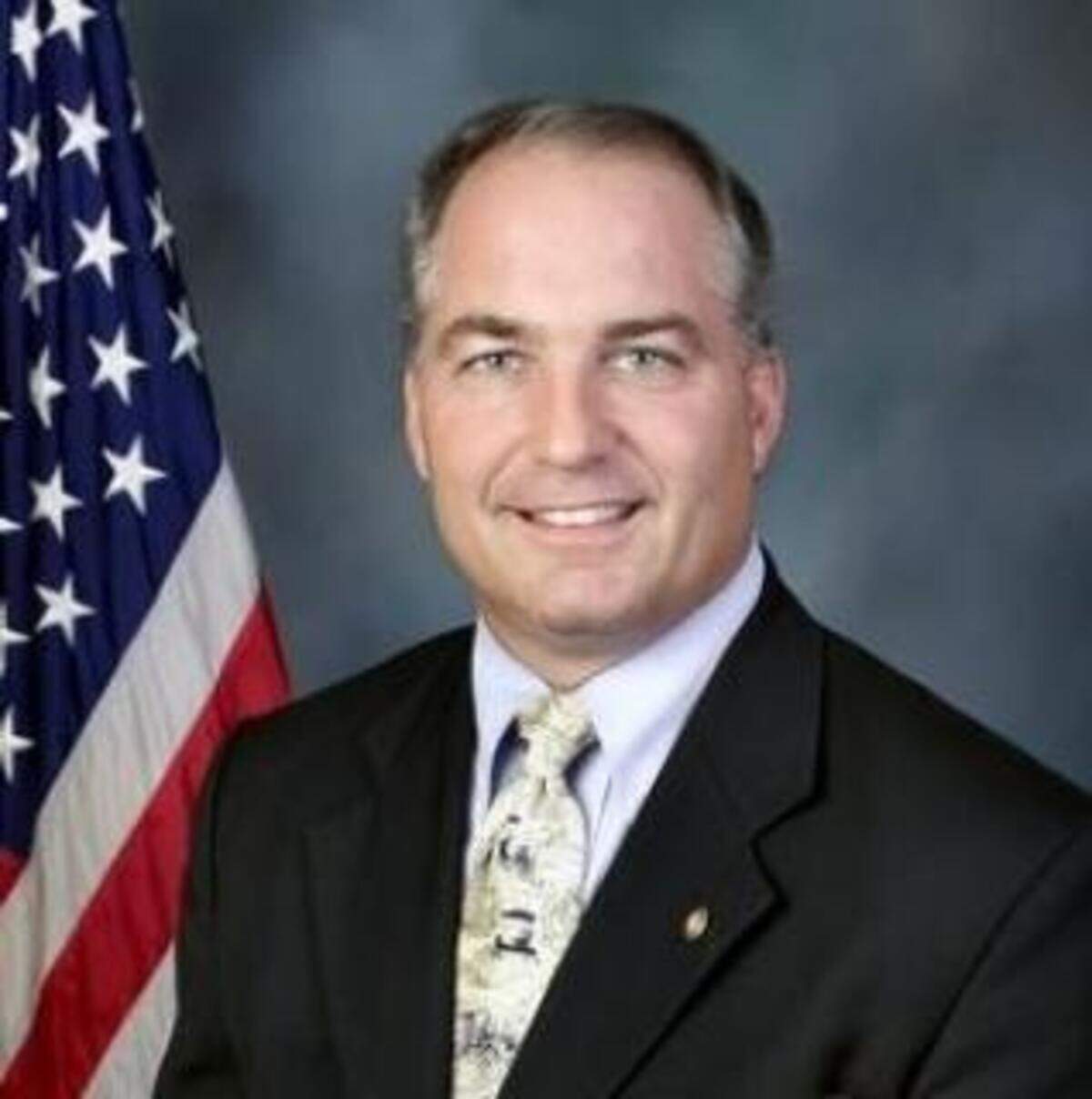
Party: Republican
County: Centre
Occupation: Pennsylvania State Representative
Education: State College Area High School, Attended PSU, Certified County Coroner
Qualifications: 15-term PA State Legislator, Served as Centre County Deputy, Elected Coroner 2 Terms, Healthcare Worker at Mount Nittany Hospital, Founder and Current Chairman of Bipartisan Cancer Caucus, Active Member of Faith United Methodist Church Bellefonte
Campaign Website: benninghoff171.com
Facebook: www.facebook.com/RepBenninghoff
Q: What do you see as the most pressing issues facing residents of your district, and how would you address them?
A: Commodity prices like food, transportation, fuel and energy costs. Some of these challenges are driven by a sparse and changing workforce. Most businesses are struggling with hiring enough workers and competing against larger retail stores who can pay more. More workers are demanding more flexible hours or prefer to work from home. I am working with education institutions of all levels to ensure we are educating students on the expectations of employees entering the job market and steering education curriculum for the jobs in near future. Additionally, energy drives everything. We need to better utilize the abundance of both natural gas and petroleum reserves in PA, which will help drive down the cost of both electricity and gasoline.
Q: What changes, if any, would you support to enable better access, ensure security, and support the processes of our elections?
A: I voted for several pieces of legislation to ensure more secure elections processes. Voting has been made much more accessible with mail in ballots, drop boxes, and in person voting. Security and integrity should always be a top priority, and it begins with chronic, up to date, purging of voter rolls, to ensure only residents vote. Additionally, well monitored drop boxes that are secure in following the law of mail in ballots, to ensure timely, legally signed mail in ballots are cast whether in person or by mail.
Q: What are your thoughts on the state budget process? What changes, if any, would you support so that the budget is enacted in a timely manner?
A: I have been through many state budgets. Very simply, I have co-authored legislation that allows the previous year’s budget framework to serve in the event the current budget does not get completed on time. Especially this year, considering the current budget was not signed into law until November 12th, 2025. I would also support No budget, No pay for all Senators, House of Representative members, the Governor, and Lieutenant Governor as well as the governor’s cabinet members. During a budget impasse, taxes are still being paid, so keep budget moving post June 30th deadline at previous months allocations.
Q: Should the state legislature enact laws concerning the impacts on water, energy, or land use from the development and operation of data centers? Would state regulation of data center development and operation interfere with the authority of municipalities to establish ordinances under the MPC (Municipal Planning Code)?
A: State legislature has enacted many laws such as state departments, like DEP (Department of Environmental Protection), passing their own regulations over water, land use, and energy. As a Commonwealth, we also have enabling legislation that allows local municipalities to enact their own ordinances and rules governing specific industries within their jurisdiction. PA has 2,600 municipalities plus 501 school districts. Most Pennsylvanians historically like their governance more at the local level and not the state dictating every decision they make, thus why we have municipal planning code. I support local control.