
Survey shows Pennsylvania nursing homes need more workers
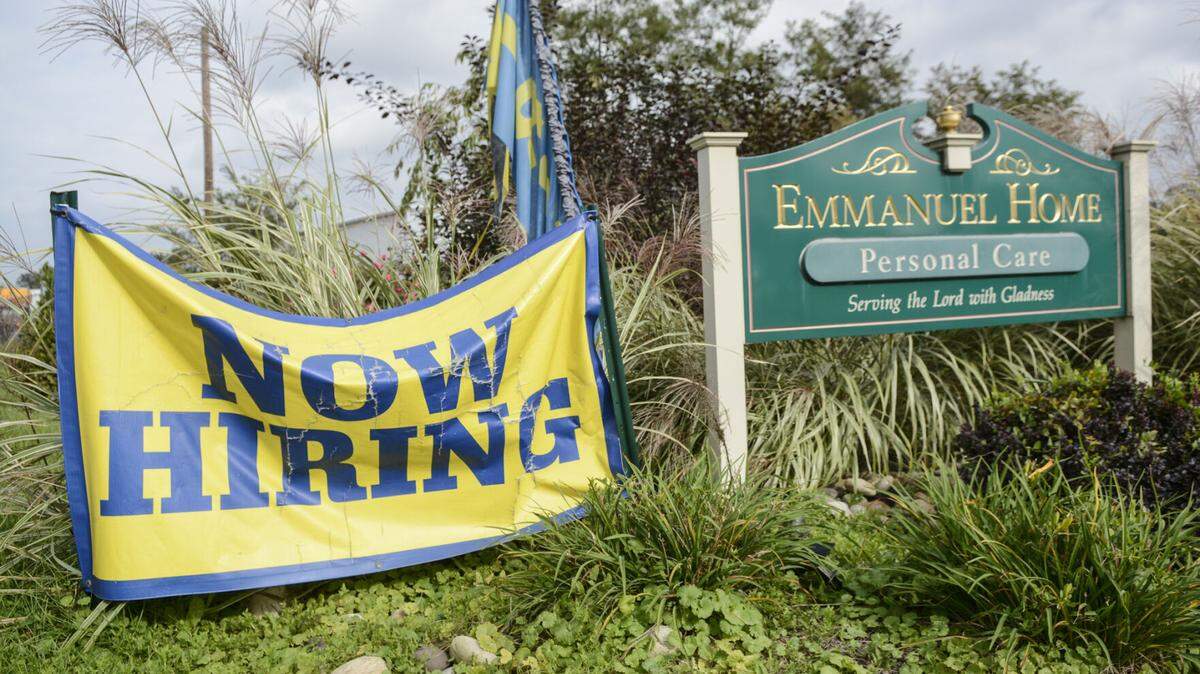
Eighty-five percent of nursing homes in Pennsylvania have limited admissions due to staffing shortages since the start of the COVID-19 pandemic and nearly 40 percent said they cannot afford to stay open and provide care over the next year, according to a survey by the Pennsylvania Health Care Association (PHCA).
Dozens of association members responded to a September survey to measure the state of nursing homes, assisted living communities and personal care homes in Pennsylvania as the COVID-19 pandemic continues. Members that participated in the survey said they have lost nearly 20% of their workforce since February 2020.
According to CareerLink’s listing of job openings, there are more than three dozen jobs available at nursing homes in the region. Maria Joseph Manor in Danville has nine jobs listed, while Nottingham Village has seven. There are also openings listed for Milton Rehabilitation and Nursing, Watsontown Rehabilitation and Nursing, Mountain View Nursing Home in Northumberland County, RiverWoods outside of Lewisburg and Grandview Nursing and Rehabilitation near Danville.
“The workforce crisis in long-term care was a concern long before the COVID-19 pandemic, but now we’re seeing the real consequence: our vulnerable seniors in Pennsylvania are being turned away when seeking care,” said Zach Shamberg, president and CEO of PHCA. “A direct care workforce shortage means that a state with one of the oldest populations in the country will be unable to meet its obligation to our senior citizens, forcing elderly patients to remain in hospitals, or return home without the resources and support they need.”
The state Department of Health reports that 76,967 residents of Pennsylvania long-term care facilities and 16,413 employees have tested positive for COVID-19 since March 2020 at 1,634 facilities.
Todd Andrews, president of Asbury Communities’ Continuing Care Retirement Community Division which owns RiverWoods, said even with a vaccine mandate for all employees that goes into effect on Oct. 30, staffing has been adequate.
He said that 84 percent of RiverWoods staff is already vaccinated.
“Given the relatively small number of staff who remain unvaccinated today, we do not anticipate staffing challenges,” he said. “RiverWoods has not been immune to the national labor shortage, but we have been using a variety of strategies to ensure residents are getting the care and services they expect and deserve. We have a lot of very dedicated people. Associates still have a week or so to receive their first dose of a two-dose vaccine or Johnson & Johnson, and we are hopeful that more will choose that route. We do have a process where staff can appeal for a religious or medical exemption, but overall, those numbers are small.
“Since the requirement was announced, we have consistently told those who aren’t vaccinated that we value them and we hope they will choose to remain with us, but that we must put residents’ health and well-being first.”
RiverWoods’ staffing seems likely to be the exception to the rule, according to the survey.
As a result of lack of staff, 74 percent of survey respondents — including 85 percent of 50 nursing homes that replied to the survey — said they had to limit or put on hold admissions within the past six months. This has prompted nearly 50 percent of respondents to create a waitlist for seniors in need of care.
Fueling more concern over workforce shortages are the looming COVID-19 vaccine mandates. According to PHCA, 34 percent of Pennsylvania nursing home workers — at least 32,000 employees — are unvaccinated, mirroring the state’s population vaccination rate. At this moment, providers will be forced to terminate unvaccinated workers.
Andrews said Asbury Park held five $1,000 raffles at each of the facilities the company oversees for workers who received at least one shot.
“Since the requirement was announced, we have consistently told those who aren’t vaccinated that we value them and we hope they will choose to remain with us, but that we must put residents’ health and well-being first,” Andrews said. “Our leadership team and nurse educators are working hard to establish trust and hold open conversations that address each person’s unique concerns. This is a new vaccine and a new world we are navigating, and we have to listen to and respect the questions that arise.”
To help curtail some of the shortages, Sen. Judy Ward has proposed SB 729, backed by PHCA. The bill would permit online study for the classroom and theory components of the state-approved certified nurse-aide (CNA) training program and blended delivery for the lab or clinical component of the training. The state-approved nurse-aide training program is currently comprised of at least 120 hours of in-class and clinical training.
“This revision allows more individuals who have an interest in being a CNA to consider it by taking classes online and help address a long-standing labor shortage issue that the nursing home industry has been facing,” Ward said. “Online instruction offers individuals the flexibility of taking classes on their own schedule and the convenience of completing assignments from home.
This story was originally published October 12, 2021 at 11:28 AM.