
Need help with rising food costs? This program provides funds to PA women, children
As grocery prices are on the rise across the U.S., there’s perhaps no better time to enroll in one of the nation’s top welfare programs for young families.
The Pennsylvania Special Supplemental Nutrition Program for Women, Infants and Children, better known simply as WIC, debuted in the commonwealth in 1974. While its services have evolved over time, WIC subsidizes food costs for eligible families and provides a wide array of health care solutions, including nutrition services, social service referrals and breastfeeding support.
All WIC services and benefits are free for participants. In total, the program hopes to reduce infant mortality rates, fetal deaths and iron deficiencies while improving pregnancy duration, access to medical care, participants’ diets and the nutritional growth of at-risk children and infants.
From qualifications to available benefits, here’s what you need to know about WIC programs in Pennsylvania.
Who qualifies for Pennsylvania WIC?
Broadly speaking, WIC programs are free and available for at-risk women, infants and small children who meet income requirements, according to the program’s website. Pennsylvania applicants must reside in the commonwealth.
In Pennsylvania, WIC serves the following residents:
- Pregnant women
- Breastfeeding women (for up to one year postpartum)
- Women up to six months postpartum who are not breastfeeding
- Infants and children under 5 years old, including those in foster care
Eligible program participants must also meet WIC’s income guidelines. The current limit sits at 185% of the federal government’s poverty level, which is reflective of household size.
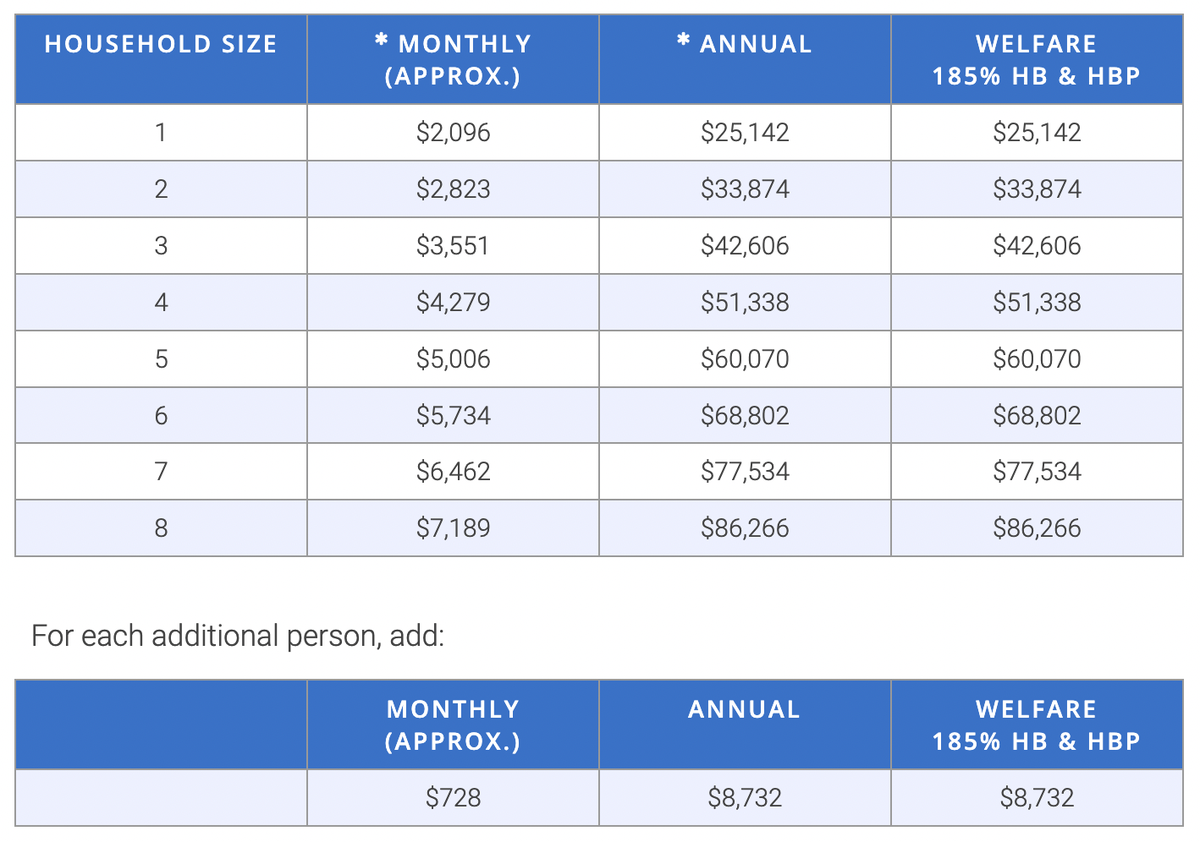
Those who are already enrolled in benefit programs, including medical assistance and food stamps, can still apply for WIC and, in some cases, may do so regardless of their income.
WIC’s income guidelines are generally higher than some other programs. You may qualify even if you don’t meet the requirements for other types of aid.
Beneficiaries must also possess a qualifying medical or nutritional risk, according to the U.S. Department of Agriculture. These include:
- Medically based risks, including anemia, maternal age, pregnancy complications, poor pregnancy outcomes and being underweight
- Diet-based risks such as an inadequate dietary pattern
Nutritional risk is often determined by health professionals and federal guidelines. No-cost screenings are typically available for prospective program applicants.
Notably, WIC participation does not require proof of U.S. citizenship.
Applying for WIC
To apply for WIC benefits, call 1-800-942-9467 or start an application online at pawic.com/onlineapplication. You’ll be prompted to provide some basic information about you and your household before scheduling an appointment with your local WIC agency.
Completing an application does not guarantee enrollment, as eligibility is officially determined following your appointment.
The average value of monthly WIC food subsidy packages varies between participants, according to the Pennsylvania Bureau of WIC. Women can typically expect approximately $65 per month, while infants and children receive around $105 and $50, respectively.
According to WIC guidelines, the following items must be brought to your first WIC appointment:
- Proof of identity for women, infants or children when applicable. These can include a driver’s license, photo ID card, passport or student ID for women; a birth certificate, crib card or discharge paperwork for an infant; or a birth certificate, crib card or passport for children.
- Proof of sources of income for everyone living in the applicant’s household, including recent pay stubs, unemployment letters, child support payments or income tax returns (for self-employed applicants).
- ACCESS card(s) (if applicable)
- Proof of Pennsylvania residency through a document with an applicant’s name and current address, such as a driver’s license, utility bill or recent mail.
- Immunization records for all children under 2 years old, if available
- The applicant’s children under the age of 5
- Proof of pregnancy stating due date (if applicable)
This online checklist summarizes all necessary documents for current and prospective program beneficiaries.
WIC foods and services
While WIC’s services cover a lot, the program is most commonly associated with subsidized foods at grocery stores and local markets. More than 1,900 stores in Pennsylvania are authorized to accept WIC coupons for a limited number of approved foods that support health and nutrition, according to the commonwealth.
In Pennsylvania, WIC-eligible foods include:
- Fresh, frozen and canned fruits and vegetables
- Whole grains, including whole wheat pasta, bread and rolls, brown rice, oats and whole wheat and corn soft tortillas
- Regular and lactose-free milk
- Yogurt
- Soy beverages and tofu
- 100% fruit and/or vegetable juice
- Peanut butter
- Cheese
- Eggs
- Canned or dried beans and peas
- Cereal (if at least half contains whole grains)
- Infant iron-fortified formula and cereal
- Jarred fruits and vegetables for infants
- Jarred infant meals
- Canned chunk light tuna, pink salmon and sardines (for fully breastfeeding mothers only)
Shopping for WIC-approved foods requires a careful eye, as only eligible items and portions count toward the program’s subsidies. Select pamphlets, available in English and Spanish, list the approved Pennsylvania WIC food list from October 2022 through September 2023. It also includes photographs of eligible products and brands to simplify the shopping experience.
WIC subsidies were once available only through paper checks that required assistance at checkout. Now, most benefits are available through swipe cards and the WICShopper app, available on mobile phones.
The Pennsylvania Bureau of WIC and the commonwealth’s Department of Health encourage WIC shoppers to keep the following tips in mind when visiting the grocery stores:
- WIC benefits become available at the beginning of the month at 12:01 a.m. and end at 11:59 p.m. at the end of the month.
- Program participants are not required to purchase all WIC-approved foods at once. But what you need when you need it.
- Benefits that are not spent in a given month will not carry over to the next benefit period.
- Always know your benefit balance. The best way to keep track is by keeping your receipts and storing them securely.
- Take a screenshot of your ending balance receipt through the WICShopper app so you know what is left on your card before your next shopping trip.
- Coupons and store promotions, including “buy one, get one free” deals, are often eligible for your eWIC card.
- Do not sell or trade WIC foods. Doing so could result in criminal charges and/or disqualification from receiving future WIC benefits.
Between June 1 and Nov. 30, WIC program participants are eligible for the WIC Farmer’s Market Nutrition Program, which provides checks that can cover local farmer’s market produce.
You can also visit the WIC website to find clinics and stores near you that accept program benefits.
WIC participation is on the rise in 2023
Through data provided by the Pennsylvania Bureau of WIC, it’s clear commonwealth residents are finding use in the program.
Across the Keystone State’s 67 counties, 162,304 people received WIC benefits in January 2023, according to the bureau’s most recent participation report. While that number is down from the peaks of late 2020 in the wake of the pandemic, WIC participation in Pennsylvania has generally grown since hitting a recent low in December 2021.
Nearly 3,000 more people in Pennsylvania received WIC benefits in January 2023 than in December 2022.
As Pennsylvania’s most populous county, it’s likely no surprise Philadelphia leads the way with approximately 22.15 WIC participants per 1,000 residents. Centre County, meanwhile, observed the third-lowest participation rate with just about 5.29 WIC participants per 1,000 residents.
Nearly 6.4 million people across all 50 states and some U.S. territories and tribes received WIC benefits in November 2022, the most recent month with a complete participation count, according to the U.S. Department of Agriculture. That reflects a 2.4% increase from November 2021.
This story was originally published February 27, 2023 at 6:00 AM.
%202.JPG)