
Do you need to rake leaves? How to prep your lawn and garden for fall in Pennsylvania
Believe it or not, fall is finally here. The days are getting shorter, the leaves are starting to turn and holidays like Halloween and Thanksgiving are just around the corner.
While cooler temperatures might be refreshing, that first frost can be quite a nuisance for your lawn or garden. Luckily, you can take several steps to make your autumn easier and pave the way for a healthy garden next spring.
Here’s the latest tips that might help you prepare your lawn and garden, according to Penn State Extension gardening experts.
When should I seed my Pennsylvania lawn?
Seeding is best accomplished in late summer and early fall, turfgrass science professor Peter Landschoot, Ph.D., writes. Reduced weed competition and a pair of cool growing seasons (fall and spring) will help new grass thrive before it encounters stressful heat in the summer. In Pennsylvania, seeding later than mid-October is not recommended.
Overseeding, meanwhile, can occur in later winter, spring or even fall, Landschoot writes. This process plants new grass seed on top of existing turf to fill bare spots and improve density, among other goals. Make sure new seed comes into contact with soil and has enough room to properly germinate and develop.
Do I need to rake my leaves?
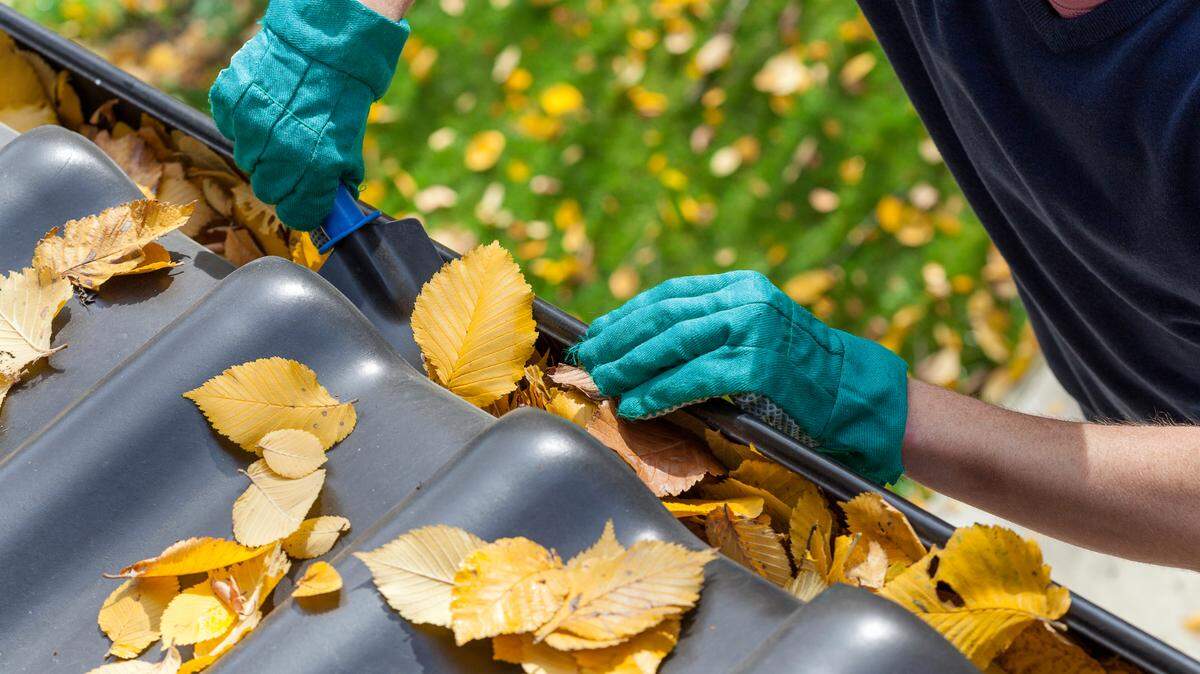
While raking your lawn is not necessarily required, leaving quite a mess can harm your grass, master gardener Pamela Hubbard writes.
“Ecologically speaking, you do not need to rake leaves, but a heavy layer can smother your lawn grass and prevent new growth in spring,” Hubbard wrote online. “Compacted leaves can promote snow mold diseases that damage turf grass.”
If raking leaves isn’t your style, consider passing over them with the lawnmower a few times. By shredding leaves into smaller pieces, they return nitrogen to your lawn’s soil as they decompose. You might try to bring those shredded leaves to your garden beds to help insulate plant roots, too.
Should I plant anything in the fall?
You should aim to plant bulbs in cooler weather before the first frost arrives. In the State College area, that’s expected to occur around Oct. 20, according to the online Farmer’s Almanac.
Consider prioritizing the outdoor installation of your container-grown plants, which should require plenty of time to establish a proper root system before the earth freezes in pots and planters. You can use a thick layer of mulch to prevent damage once the ground freezes and thaws.
Planting a cover crop this fall can protect your soil from erosion, compaction and even weed growth. These types of crops — including winter rye, barley, oats, winter wheat, alfalfa, crimson clover and hairy vetch — help add organic material to soil, improve soil structure and introduce nitrogen into soil. Just be sure to cut, mow or cover these crops before planting your vegetables in the spring.
Should I aerate my soil?
Aeration can help alleviate compacted soil and significantly reduce thatch, Landschoot writes. The process generally involves using a core aerator tool to remove plugs of soil from turf to create an artificial system of large pores that bring moisture and nutrients to the ground.
It’s important to use proper equipment for aeration processes, not just tools that happen to have solid tines or spikes. Most lawn management companies can complete this process for you for a fee.
Aeration is best performed during periods of cooler weather, such as early spring or late summer and early fall. Notably, the process can bring a large number of weed seeds to the soil when performed in the spring.
How do I protect tender plans during the winter?
You should try to dig up your tender bulbs — including cannas, caladiums and dahlias — and store them where they will not freeze, Hubbard writes. You can pack them in boxes lined with sawdust or peat moss. Additionally, consider saving seeds from non-hybrid plants to grow them in your garage or basement, for example.
You can protect plants that remain outdoors using layers of mulch and burlap windbreaks or enclosures. Hubbard recommends spraying evergreen shrubs with an anti-desiccant to prevent moisture loss in the winter, as evergreens can’t replace moisture lost through their leaves.
How can I winterize my pond?
Correct preparation can help your aquatic plants and fish survive the winter months, Hubbard writes.
Once temperatures drop below 45 degrees Fahrenheit, shut off the filter and remove it from the main pump to avoid damage from freezing. Additionally, remove decaying foliage and discard any floating plants, including water hyacinths.
You can place hardier plants, including blue flags, at the bottom of your pond, usually to a depth of at least 20 inches. More tropical plants, meanwhile, should stay in a warmer location indoors, such as a tub of water in your basement.
Clean your pond with a skimmer and keep the water from freezing by running an air bubbler, Hubbard advises. Be sure to keep water levels consistent throughout the winter.
Do I need to keep weeding in the fall?
You should continue weeding in the fall, especially before weeds left in your garden produce seeds and lay the groundwork for even more weeds next year. Generally, fall is the best time to treat your lawn or garden’s weeds with a broadleaf weed killer, Hubbard writes.
“Enjoy the beautiful fall foliage as you ‘put your garden to bed,’” Hubbard says. “You can look forward to a rest from gardening tasks this winter knowing that you have made a good start to the next growing season.”
%202.JPG)