
Trying to transport alcohol in Pennsylvania? Here’s a refresher on what state laws say
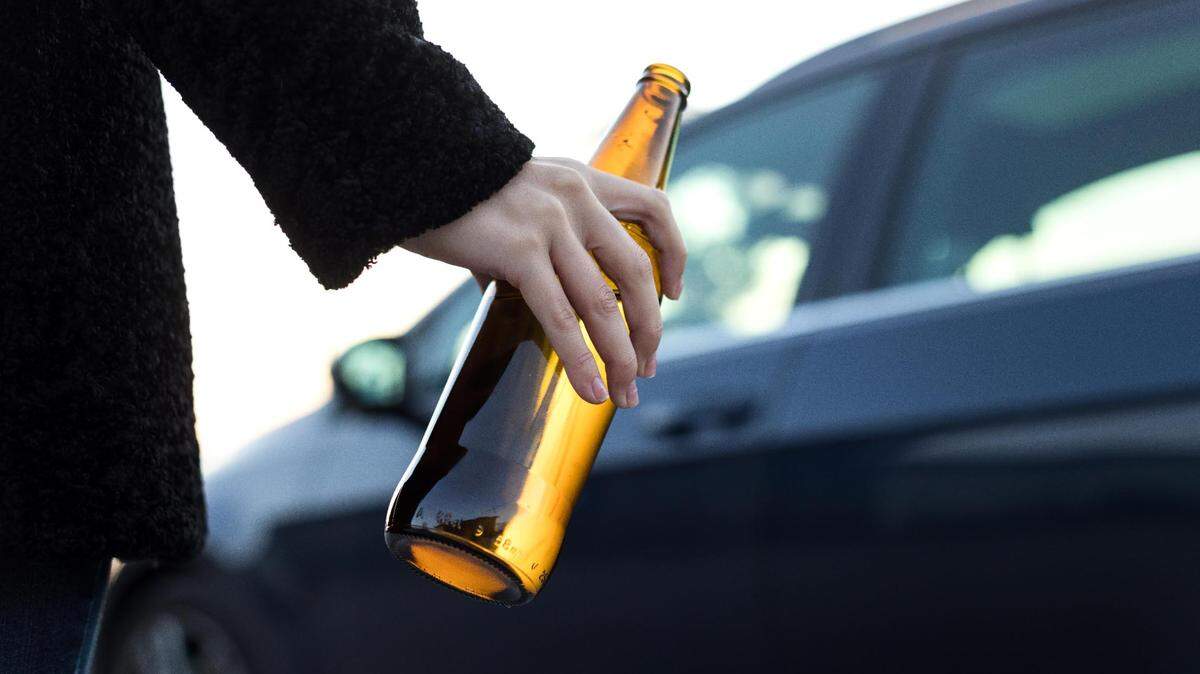
Pennsylvania is often known for its strict and strange liquor laws, and that rings especially true when vehicles are involved.
Under Pennsylvania law, it’s illegal for drivers to drink alcoholic beverages or hit the road while under the influence. But what does the law say about simply transporting alcoholic beverages?
Here’s a refresher on Pennsylvania’s alcohol transportation laws, plus what might happen if they are broken.
Can you transport alcohol in Pennsylvania?
According to Pennsylvania law, transporting alcohol is legal so long as products remain sealed in their original packaging or containers.
Laws surrounding open containers are much more strict in the Keystone State. Under Pennsylvania law, it is illegal to drive with an open alcoholic beverage container (or any controlled substance) in your vehicle.
Open containers do not need to be consumed to violate Pennsylvania laws. Additionally, restrictions on open containers apply regardless of whether your vehicle is moving or parked, Pennsylvania code reads.
You can still lawfully store open containers by resealing them and placing them in storage in your vehicle, generally in its trunk or back seat out of reach.
Those who violate open container laws in Pennsylvania commit a summary offense, usually punishable by a maximum fine of $300 and up to 90 days in jail, plus a potential driver’s license suspension. Additional penalties may follow for subsequent violations.
Are there exceptions to alcohol transportation laws in Pennsylvania?
There are a few exceptions to these regulations, including a notable detail for those hitting the town.
In Pennsylvania, passengers in vehicles designed for group transportation — including buses, taxis and limousines — can legally possess and consume open alcoholic beverages. Passengers consuming open containers must generally remain separated from drivers, who must still abstain from drinking while operating such a vehicle, according to Pennsylvania code.
Of-age consumers can drink alcoholic beverages in recreational vehicles and campers so long as they are kept in living quarters and away from drivers.
What about transporting alcohol across state lines?
In addition to open container laws, Pennsylvania drivers must also be cautious when purchasing alcohol in nearby states.
Under the commonwealth’s liquor code, it remains illegal to transport alcohol purchased across state lines back into Pennsylvania. Exceptions to this law are in place for gifts of liquor received by Pennsylvania residents for personal use, according to the Pennsylvania Liquor Control Board.
A first offense for unlawful importation results in a summary offense punishable by fines of about $25 per bottle, confiscation of products and up to 90 days in jail. Additional offenses — or instances of importation in connection with a commercial transaction — can result in misdemeanor offenses with more serious consequences.
%202.JPG)