
Can you legally drink alcohol on a boat in Pennsylvania? Here’s what the law allows
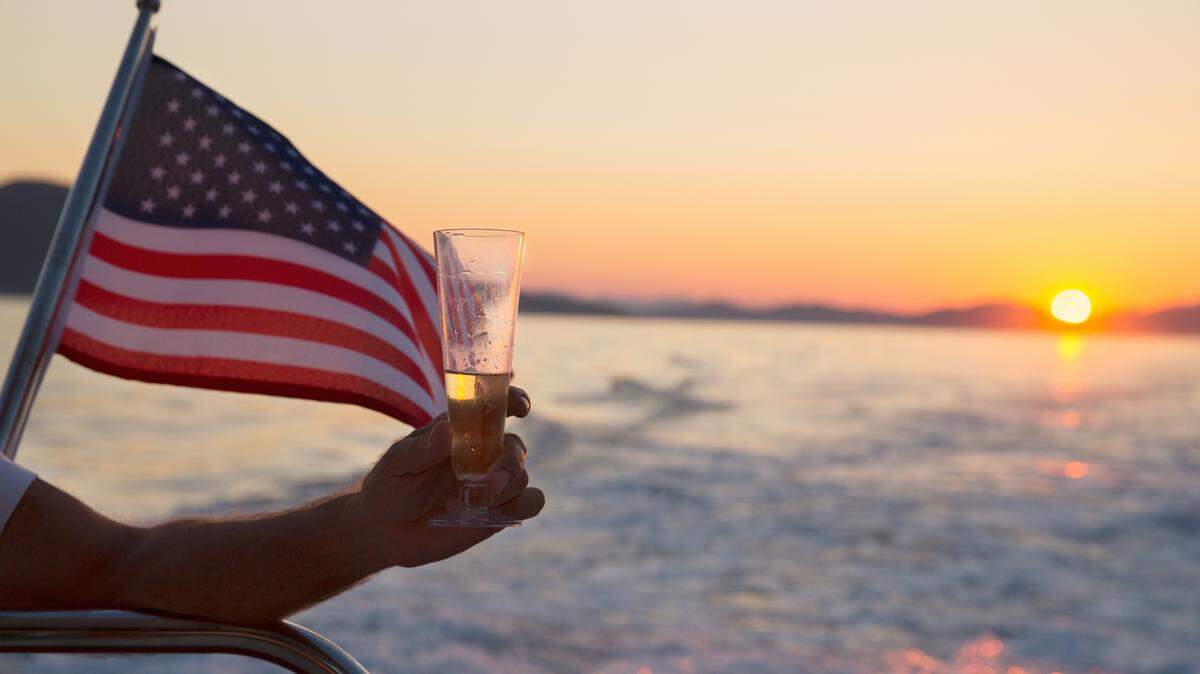
As temperatures soar across Pennsylvania this summer, you might find yourself drawn to a lake or beach for some relaxation on the water.
But what happens if you crack open some cold ones while attempting to operate a boat or other watercraft? Pennsylvania requires boaters to pass a commission-approved boating safety course to operate a personal watercraft, and the commonwealth enforces strict penalties against those who are caught operating a boat under the strong influence of alcohol and other controlled substances.
If you’re considering hitting the water this summer, here’s what you need to know about drinking alcohol while boating—plus what the law allows in Pennsylvania.
Is it illegal to drink on the water or while boating in Pennsylvania?
Yes. Under Pennsylvania law, it is illegal to operate a watercraft after drinking enough alcohol to be rendered “incapable of safely operating or being in actual physical control of the watercraft.”
The legal limit for an adult operating a watercraft—0.08% blood alcohol concentration within two hours of operation—is the same as driving a car, according to the law. Pennsylvania law offers additional definitions for operating a watercraft under the influence of a “high rate of alcohol” (between 0.10% and 0.16% blood alcohol concentration) and the “highest rate of alcohol” (exceeding 0.16% blood alcohol concentration).
The legal limit for minors is a blood alcohol concentration of 0.02%.
“When on a boat, the effects of alcohol are magnified and cause reduced judgment,” the 2024 edition of the Pennsylvania Boating Handbook reads. “Combined with stresses from wind, motion and heat, your ability to think and perform basic tasks needed to safely operate your boat may become impaired.”
It is also considered unlawful for the passengers of a boat or watercraft to consume alcohol in many areas across Pennsylvania, where alcohol is prohibited on land and water at all state parks. The same restriction applies to most U.S. Army Corps of Engineers projects in the Keystone State, according to the Pennsylvania Fish and Boat Commission.
What are the penalties for drinking and boating in Pennsylvania?
A first-time offender caught operating a boat or watercraft after drinking more than the legal limit can face up to six months of probation, a $300 fine and a requirement to complete an approved boating safety course.
A second offense results in tougher penalties, including at least five days of imprisonment and a fine of up to $2,500, plus the completion of a boating safety course. A third offense (or any subsequent offense moving forward) would prompt a prison sentence of at least 10 days, plus a fine of up to $5,000 and the required completion of a boating safety course.
Potential penalties become even more severe if an individual caught operating a watercraft under the influence of a “high rate of alcohol” causes an accident that results in bodily injury, serious bodily injury, death or significant damage to a watercraft. Penalties in this scenario include at least a 48-hour prison sentence and up to a $5,000 fine for a first offense and up to a year in prison, and up to a $10,000 fine for a fourth or subsequent offense—all with the additional requirement of completing a boating safety course.
Anyone who is caught operating a boat or watercraft under the influence of a high rate of alcohol in Pennsylvania and refuses to have their blood or breath tested receives harsh penalties, too. A first-time offender in this scenario faces at least 72 hours in prison and a fine of at least $5,000, plus the completion of a boating safety course. A third-time offender in this scenario receives at least one year in prison, plus a fine of at least $2,500 and the required completion of a boating safety course.
Those who violate Pennsylvania’s law against operating a watercraft under the influence of alcohol may face even tougher penalties if a minor under 18 years old is a passenger. These penalties, which are added to any other accrued penalties, include a fine of at least $1,000 and 100 hours of community service for a first-time offender, all the way up to a maximum of two additional years in prison for a third or subsequent offense.
Do I need a license to drive a boat in Pennsylvania?
The Pennsylvania Fish and Boat Commission approves permanent boating safety education certificates for commonwealth residents who complete the commission-approved boating course, available online or in a classroom in your area.
There is no minimum age requirement for these boating courses, but most are designed for students who are at least 12 years old. In Pennsylvania, all personal watercraft operators must be at least 12 years old.
The certificates are required to operate a personal watercraft on Pennsylvania waters. For anyone born after Jan. 1, 1982, they are also required to operate boats powered by motors that exceed 25 horsepower.
All operators are required to carry their certificate with them while operating their boats.
Out-of-state boaters must have a certificate issued for a course approved by the National Association of State Boating Law Administrators.
This story was originally published July 17, 2024 at 6:59 AM.
%202.JPG)