Are you finding wolf spiders in your home? What to do and how to stay safe in PA
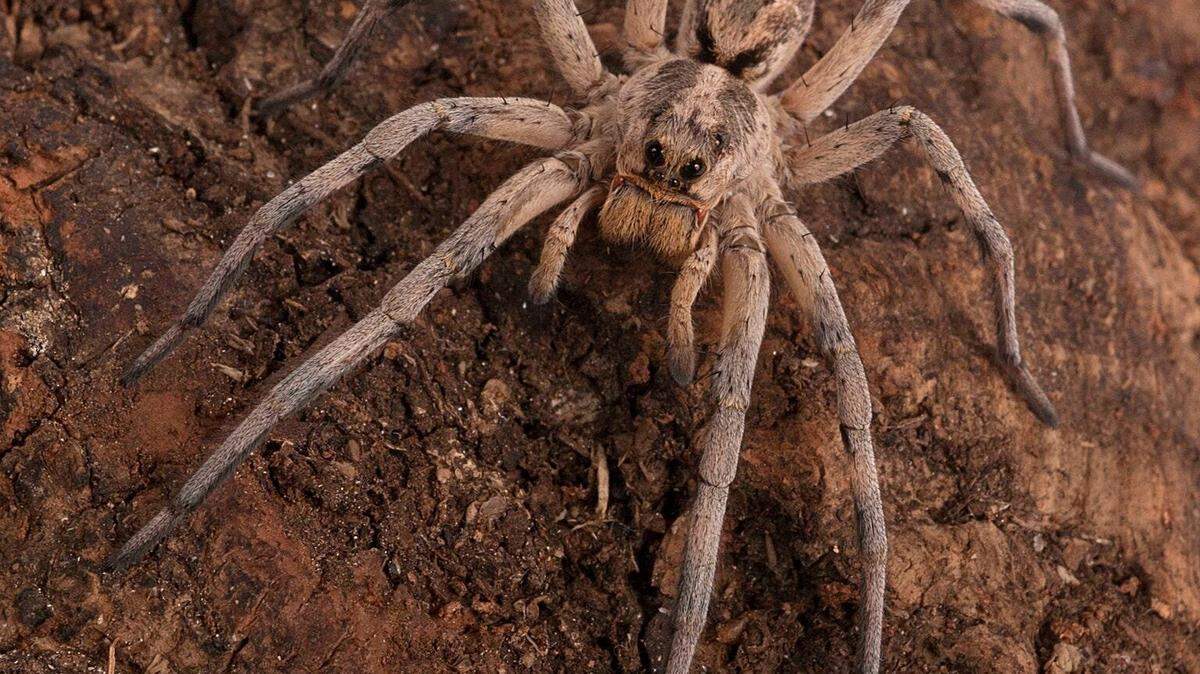
As the weather heats up in the summertime, wolf spiders hunting for their prey might be making a space in your home.
Encountering one of these spiders, which can range in size from a half inch to two inches, can be startling. However, the speedy species won’t pounce on you like a cricket. They’ll keep their distance.
“One reason that they can be common indoors, is that they’re common in lawns,” Michael Skvarla, assistant research professor of arthropod identification at Penn State, told McClatchy News. “Certain species really do well in cut grassy areas. And, you know, we surround our house with lawns.”
Just like the vast majority of the approximately 50,000 spider species in the world, wolf spiders aren’t a threat to humans, even though many people are afraid of them. Much less than 1%, or about 25 species, can harm humans, according to the Forest Preserve District of Will County, Illinois.
“Wolf spiders are perhaps the most notable type of spider found in Pennsylvania,” according to Moyer pest control.
Here’s what to know about wolf spiders in Pennsylvania.
Are wolf spiders common in Pennsylvania?
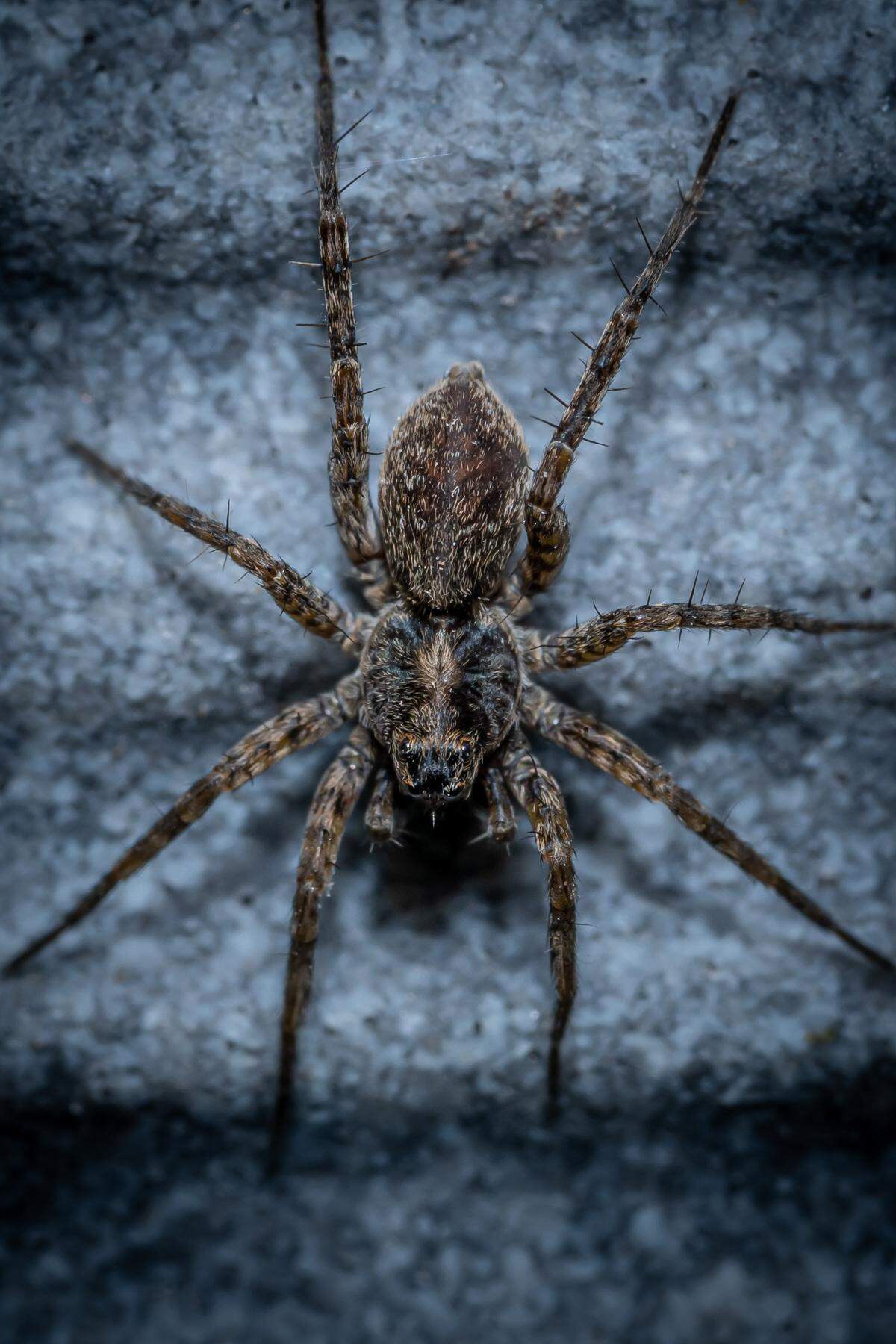
Wolf spiders are common everywhere in Pennsylvania, according to Skvarla.
Two main species of wolf spiders may be most noticeable if they get into your home because of their size, Skvarla said.
Hogna carolinensis and Tigrosa aspersa species range in length between less than one inch to nearly 1.4 inches, according to Penn State Extension.
However, “there’s more than just those two species that can get inside. They’re just the two that maybe people worry about them because they’re the biggest,” according to Skvarla.
These eight-legged creatures in Pennsylvania won’t spin a traditional web, but they could create burrows in the soil or settle into a crevice of a rock or tree.
“These spiders build retreats (holes or tunnels) in the soil; under and between boards, stones, and firewood; under siding; and in similar protected areas,” according to the university.
In the winter, your home, especially the basement, may also be a warm place for these spiders to hibernate, according to the DuPage County, Illinois forest preserve.
What do wolf spiders look like?
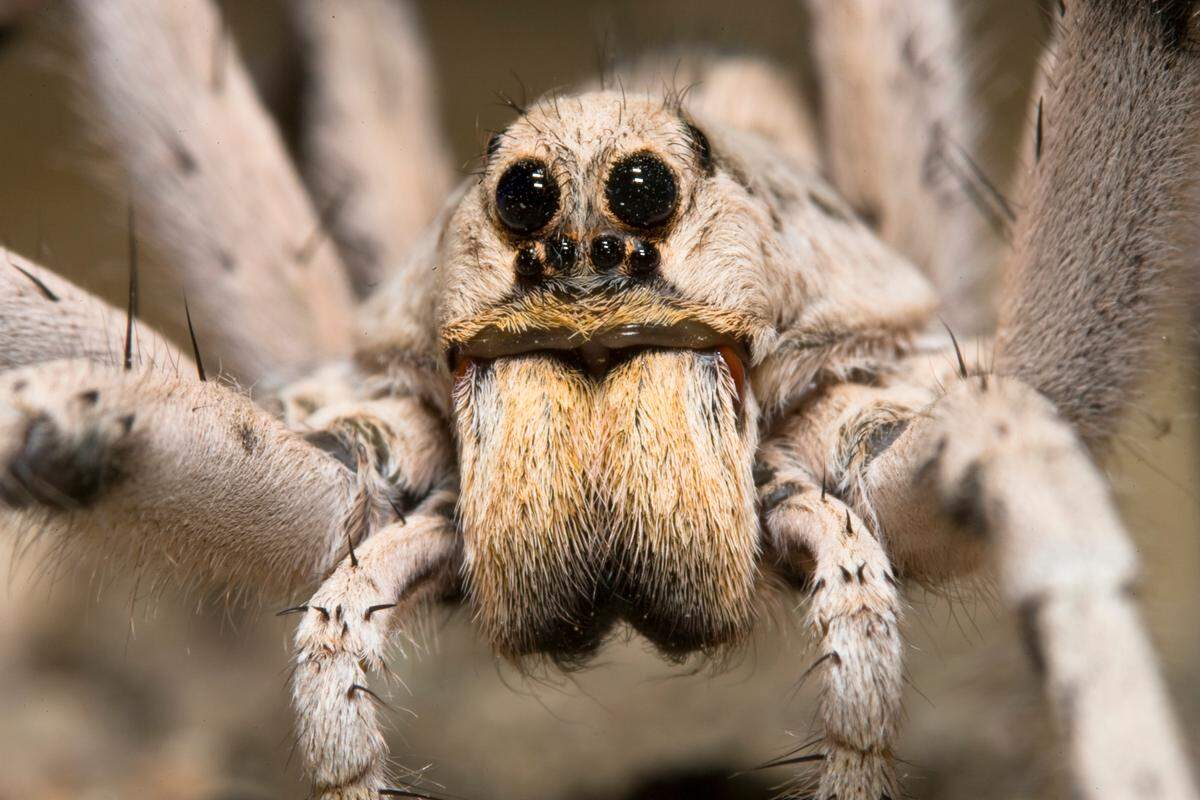
Wolf spiders can be identified by their dark mottled colors and eight dark eyes, according to National Geographic.
Since they hunt on the ground, they have “thick but strong, stout legs,” Petra Sierwald, Arachnida and Myriapoda associate curator at the Field Museum in Chicago, told McClatchy News.
“If you have seen a wolf spider walking or running once, you always recognize a wolf spider,” according to Sierwald.
How do they catch their meals? Speed.
Most of these hairy spiders don’t spin webs. Instead, Jeff Lyons, sales and retention representative with Pro Active Pest Control in Northern California and Arizona, said they hunt their prey and pounce on them like wolves at the last second.
The spiders then mash their prey into balls or inject it with venom.
This step liquefies the bug’s internal organs into a “wolf spider smoothie,” National Geographic said.
The arachnids eat everything from crickets and ants to grasshoppers and other spiders.
How can I keep spiders outside of my home?
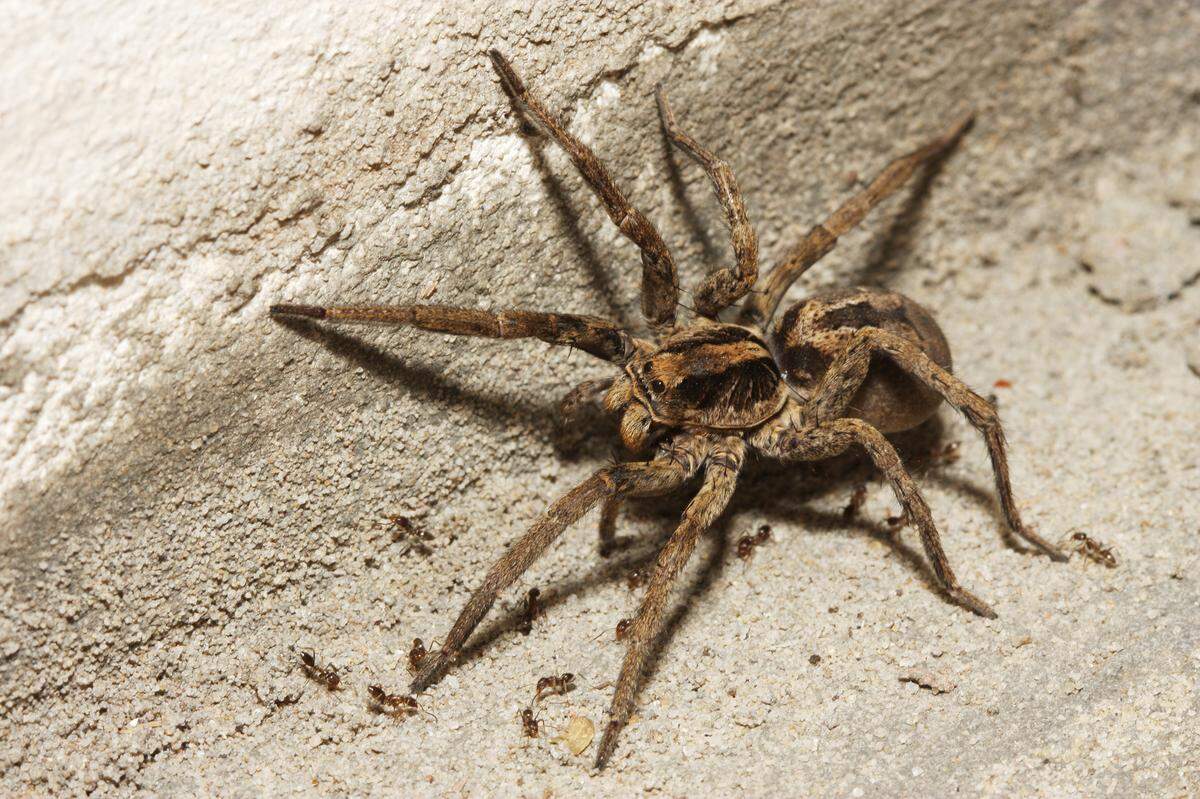
Here’s some ways to keep wolf spiders out of your home, courtesy of Big Blue Bug Solutions:
Regularly clean low-traffic areas such as basements, attics and closets
Seal cracks
Trim vegetation around your home
Place sticky traps along the baseboards
“Because they’re everywhere, the easiest thing is to just keep them out of your house to begin with,” Skvarla said.
What’s the difference between wolf spiders and brown recluse spiders?
Wolf spiders and brown recluse spiders are often confused for one another because of the arachnids’ timid nature and motley combinations of browns, blacks and grays, according to Kapture Pest Control.
Symptoms of a wolf spider bite subside within 24 hours, Penn State said.
“Typical reactions include initial pain and redness with the potential for some localized swelling,” according to the university.
According to the Centers for Disease Control and Prevention, brown recluse spiders are typically found in the Midwest and South regions of the United States.
Are wolf spiders dangerous to humans? Pets?
Skvarla said wolf spiders aren’t aggressive and only bite humans and pets in self-defense.
“Most of them really cannot get through our skin, so that’s really a problem, and they will only bite in uttermost despair and fear for their lives,” Sierwald said.
Their bites don’t pose a significant health risk. Though most wolf spider species have poisonous glands in their fangs, the poison is not dangerous to humans, according to Sierwald.
“In most cases, if you’re bitten by a little spider or any of the other non-medically important spiders that you know, it could be painful for a few minutes to maybe a few hours, but it could resolve on its own within a few hours or a day or two,” Skvarla said.
What should I do if I’m bitten by a spider?
Humans bitten by wolf spiders can experience symptoms such as pain and swelling that should subside with time, the Cleveland Clinic wrote on its site.
The clinic added that medical attention isn’t typically required for wolf spider bites unless there’s an allergic reaction, but that’s rare.