
Pregnancy-related deaths in Pennsylvania rose by almost 80% in one year, new data shows
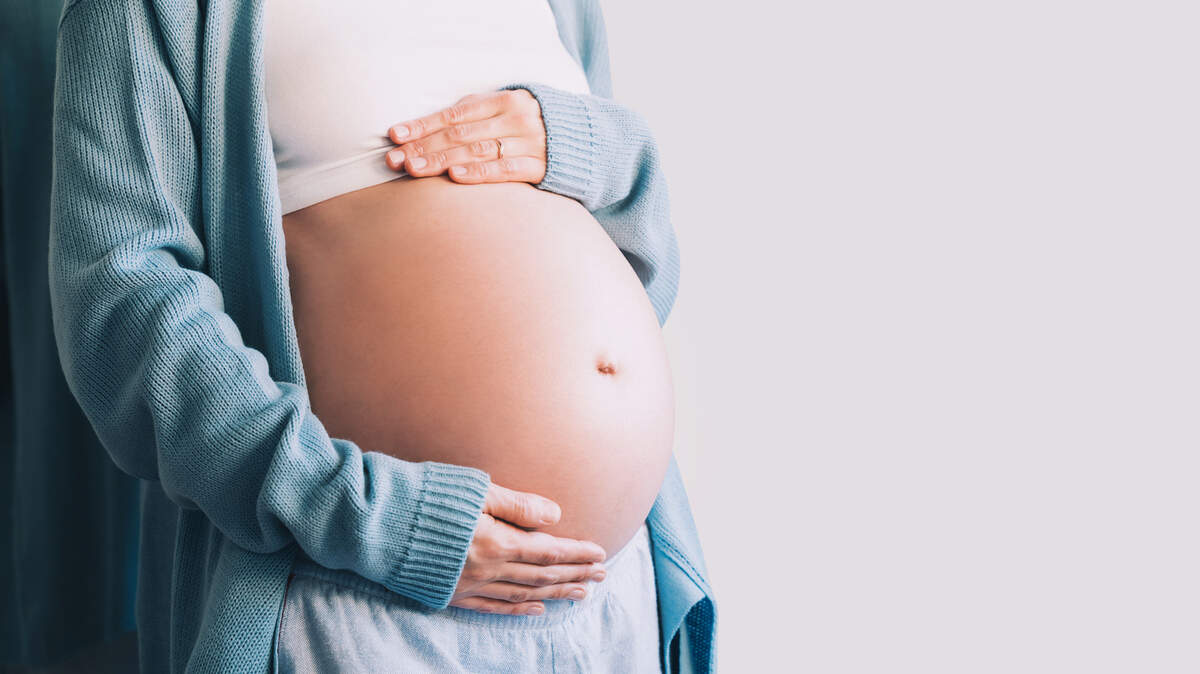
Pennsylvania’s maternal mortality rate increased by nearly 80% from 2020 to 2021 at the height of the COVID-19 pandemic, according to recently released data.
The commonwealth’s maternal mortality rate peaked at roughly 21.9 deaths per 100,000 live births in 2021, according to the U.S. Centers for Disease Control and Prevention. That mark was still lower than the nationwide rate of 32.9 deaths per 100,000 live births observed that year.
While the Pennsylvania Department of Health has not yet published data analyzing the effects of COVID-19 on the maternal mortality rate, an October 2022 report from the U.S. Government Accountability Office found the virus contributed to about 25% of the nation’s maternal deaths in 2020 and 2021.
The World Health Organization defines maternal death as the death of a woman who is pregnant or within 42 days of the termination of a pregnancy, ultimately from any cause related to or aggravated by pregnancy or its management. However, these deaths do not include accidental or incidental causes, such as car accidents or drug overdoses.
Quantifying maternal mortality rates can be complicated. Not all experts agree on the best method.
A 2024 study published in the American Journal of Obstetrics and Gynecology suggests a much lower national maternal mortality rate — 10.4 deaths per 100,000 live births from 2018 to 2021 — than the CDC’s tally.
The CDC’s potentially inflated number comes from the 2003 addition of a pregnancy checkbox to the national death certificate. CDC analysts published a report in 2020 acknowledging the checkbox may have led to the improper classification of some deaths as maternal deaths. However, a CDC spokesperson told NPR in a written statement the agency disagrees with the study’s findings and believes that methods used by the researchers led to a “substantial undercount of maternal mortality.”
Which Pennsylvania hospitals provide the best maternity care?
According to a new U.S. News and World Report survey, 22 Pennsylvania hospitals provide “high-performing” maternity care. The outlet defines high-performing facilities as those ranked within the top 10% of all 680 evaluated hospitals across the nation.
Pennsylvania’s high-performing hospitals for maternity care are:
- Einstein Medical Center Montgomery
- Geisinger Bloomsburg Hospital
- Independence Health System Westmoreland Hospital
- Jefferson Health — Abington Hospital
- Lehigh Valley Hospital — Cedar Crest
- Lehigh Valley Hospital — Hazelton
- Lehigh Valley Hospital — Pocono
- Main Line Health Paoli Hospital
- Main Line Health Riddle Hospital
- Penn State Health Milton S. Hershey Medical Center
- UPMC Altoona
- UPMC Carlisle
- UPMC Harrisburg
- UPMC Horizon
- UPMC Lititz
- UPMC Magee Women’s Hospital
- UPMC Memorial
- UPMC Williamsport
- WellSpan Chambersburg Hospital
- WellSpan Ephrata Community Hospital
- WellSpan Good Samaritan Hospital
- West Penn Hospital
Twenty-one other Pennsylvania hospitals submitted data to U.S. News and World Report but did not produce a high-performing score for maternity care. They are:
- Doylestown Hospital
- Einstein Medical Center Philadelphia
- Forbes Hospital
- Geisinger Community Medical Center
- Geisinger Lewistown Hospital
- Geisinger Medical Center
- Geisinger Wyoming Valley Medical Center
- Jefferson Health — Thomas Jefferson University Hospitals
- Jefferson Health — Jefferson Hills
- Lehigh Valley Hospital — Schuylkill South Jackson Street
- Main Line Health Bryn Mawr Hospital
- Main Line Health Lankenau Medical Center
- Phoenixville Hospital
- Reading Hospital
- St. Clair Hospital
- St. Vincent Hospital — Erie
- UPMC Hamot
- UPMC Hanover
- UPMC Northwest
- WellSpan Gettysburg Hospital
- WellSpan York Hospital
U.S. News and World Report’s top hospitals for maternity care, released in December, were determined using performance data from the full 2021 calendar year.
Qualifications for high-performing hospitals change from year to year, and variance is expected within the rankings, U.S. News and World Report says. The outlet gathers hospital data from comprehensive surveys and evaluates facilities using the following categories:
- C-section delivery rates, which quantify the proportion of low-risk patients who underwent a C-section. These operations generally carry more risk of complication than vaginal delivery and, in this case, are used as a benchmark of hospital care quality.
- Early elective delivery (EED) rates, which track the proportion of expectant patients who choose to deliver their baby sooner than their due date. The American College of Obstetricians and Gynecologists advises against such deliveries.
- Unexpected newborn complication rates, which measure how many babies without preexisting conditions experienced severe health complications like infection or injury despite their “normal” development.
- Routine vaginal birth after cesarean delivery (VBAC) rates, which measure whether women who previously underwent a C-section receive the option to deliver vaginally during a subsequent delivery. The CDC suggests women who deliver vaginally after a previous C-section are less likely to experience birth-related morbidity.
- Exclusive human milk feeding rates, which measure the percentage of babies who were exclusively breastfed during their hospital stay. Breastfeeding can help protect babies from future complications, according to the CDC.
- Episiotomy rates, which track how often hospitals perform an episiotomy, during which a cut is made at the vaginal opening during childbirth. A high-performing hospital should have a low rate, according to the methodology report.
- Birthing-friendly practice, which reflects how hospitals have “demonstrated their commitment to improving maternal outcomes” through initiatives that seek to reduce maternal morbidity.
- Transparency on racial and ethnic disparities, which tracks how hospitals log and report race- and ethnicity-specific performances for which racial and ethnic disparities might exist.
Learn more about U.S. News and World Report’s annual hospital rankings by visiting health.usnews.com/health-care/best-hospitals/articles/faq-how-and-why-we-rank-and-rate-hospitals. You can also browse methodology reports for each type of hospital ranking.
%202.JPG)