
You should toss these foods from your fridge or freezer after outage, experts say
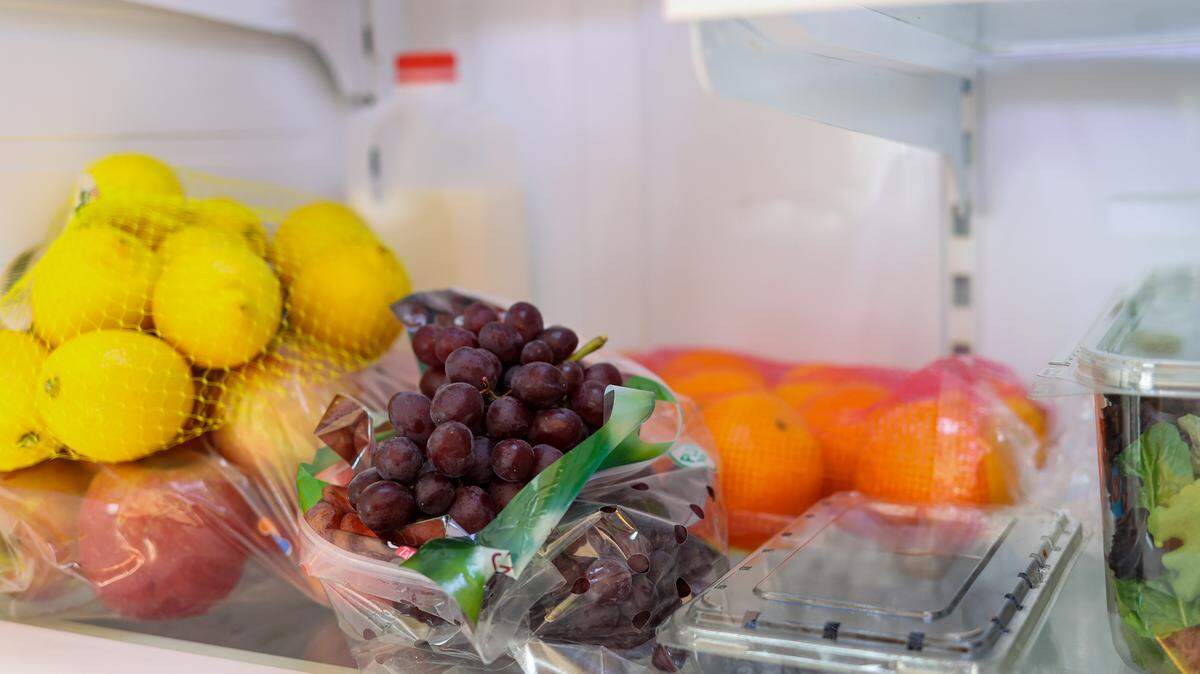
A rare and powerful storm rocked much of western and central Pennsylvania Tuesday evening, leaving tens of thousands of people in Centre County still without power by Wednesday afternoon.
Living without power can complicate many aspects of day-to-day life, including working from home and caring for your family. But what happens to all the food left in your fridge and freezer?
If your home is without power for a prolonged period, taking proper precautions can help prevent foodborne illness and other complications from spoiled groceries. No matter what, food safety officials advise against tasting defrosted or potentially spoiled food to determine whether it is safe to eat.
Here’s what you should know about your refrigerator and freezer contents once it’s time to chow down when your power returns.
During a power outage
Although you may be tempted to check on your items, it’s best to keep your fridge and freezer doors closed at all times if your home is without power. Keeping cold air inside the appliances will help them stay cooler for longer.
According to the U.S. Department of Agriculture’s Food Safety and Inspection Service, the average fridge will keep food safe for up to four hours. Perishable foods in your fridge must be kept at 40 degrees Fahrenheit or lower, the agency advises.
A fully stocked freezer, meanwhile, can hold its temperature for roughly 48 hours (or 24 hours for a half-full freezer). Food in the front of the freezer, in the door or in smaller, thinner packages will generally defrost faster than larger items in the back or bottom of the unit.
Prepared homeowners can carefully move perishable foods into coolers full of ice or frozen gel packs as long as the contents remain frozen or below 40 degrees, depending on their needs.
Which foods should get thrown out after a power outage?
Once your outage ends and you’re ready to evaluate the contents of your fridge and freezer, it’s important to keep one thing in mind: When in doubt, throw it out. That’s the tagline repeated often by the USDA, which reminds homeowners to never taste-test food to determine its viability.
You should throw out these refrigerated items if your appliance was without power for more than four hours, the agency says:
- Raw, cooked or leftover meat, plus poultry, fish, eggs and egg substitutes
- Lunch meat and hot dogs
- Casseroles, soups, stews and pizza
- Mixed salads (including chicken, tuna, macaroni and potato salads)
- Gravy and stuffing
- Milk, cream, yogurt, sour cream and soft cheeses
- Cut fruits and vegetables (fresh)
- Cooked vegetables
- Fruit and vegetable juices in opened containers
- Creamy salad dressings
- Batters and doughs (including pancake batter and cookie dough)
- Custard, chiffon or cheese pies
- Cream-filled pastries
- Garlic stored in oil
You should also throw out opened mayonnaise, tarter sauce and horseradish if they were held at above 50 degrees for more than eight hours, the USDA advises. Discard bread or salad greens that might have been contaminated by juices dripping from raw meat, poultry or fish.
Broadly, if any food in your fridge has an unusual color or texture or a bad odor, throw it out, the USDA says.
These foods are safe to eat after a power outage
The USDA reports these refrigerated foods will generally survive a prolonged power outage:
- High-acid foods and condiments, including mustard, ketchup, relishes, pickles, non-creamy salad dressings, jams and jellies, which may still spoil sooner than expected due to the outage
- Foods that are refrigerated optionally, including whole fruits and vegetables (fresh), unopened containers of fruit and vegetable juices, dried fruits and coconut, baked goods (except those with cream cheese frosting or cream fillings), hard and processed cheeses, butter and margarine, fresh herbs and spices, flour and nuts
Foods that don’t require refrigeration but wound up in your fridge may still be used unless they turn moldy or have an unusual odor, the USDA advises.
What about frozen foods?
Frozen foods that have thawed but still contain ice crystals are generally safe to eat, the USDA says. Additionally, some foods that remained at safe refrigerator temperatures (40 degrees or below) may safely be refrozen, but their quality could suffer.
Foods that don’t need to be frozen may be used again unless they are moldy or have an unusual odor, the agency reports. These items may include dried fruits and coconut, baked goods without cream fillings or icings, hard and processed cheeses, butter and margarine, fruit juices and nuts.
How can I remove bad smells from my fridge?
After a prolonged power outage, some spoiled items might leave a less-than-desirable odor in your fridge. In fact, it’s a good way to quickly learn if any food in there has gone rotten.
The USDA offers the following suggestions to help rid your fridge of stinky scents:
- Throw out spoiled or questionable foods.
- Remove your fridge’s shelves, crispers and ice tray and wash them thoroughly with hot water and detergent. Then, rinse them with a sanitizing solution. You can make one at home using 1 tablespoon of unscented, liquor chlorine bleach per gallon of drinking water.
- Wash the interior of your freezer or fridge, including the door and gaskets, with hot water and baking soda. Rinse them with a sanitizing solution, too.
- Leave the door open for about 15 minutes.
If all else fails, you can try wiping the inside of the appliances with equal parts vinegar and water to get rid of mildew. You might also consider leaving the door open and allowing your fridge or freezer to air out for several days.
Old newspapers could help, too. Try stuffing your appliance with rolled newspapers, then keeping it closed for several days, removing the newspapers and cleaning with equal parts vinegar and water.
If foul odors still remain, you may need to discard your unit entirely, the USDA warns.
Additional USDA guides are available online to guide homeowners through food safety in the event of a flood, fire or other hazardous event.
%202.JPG)