Get ready for an extra hour of sleep. Here’s when daylight saving time ends in PA
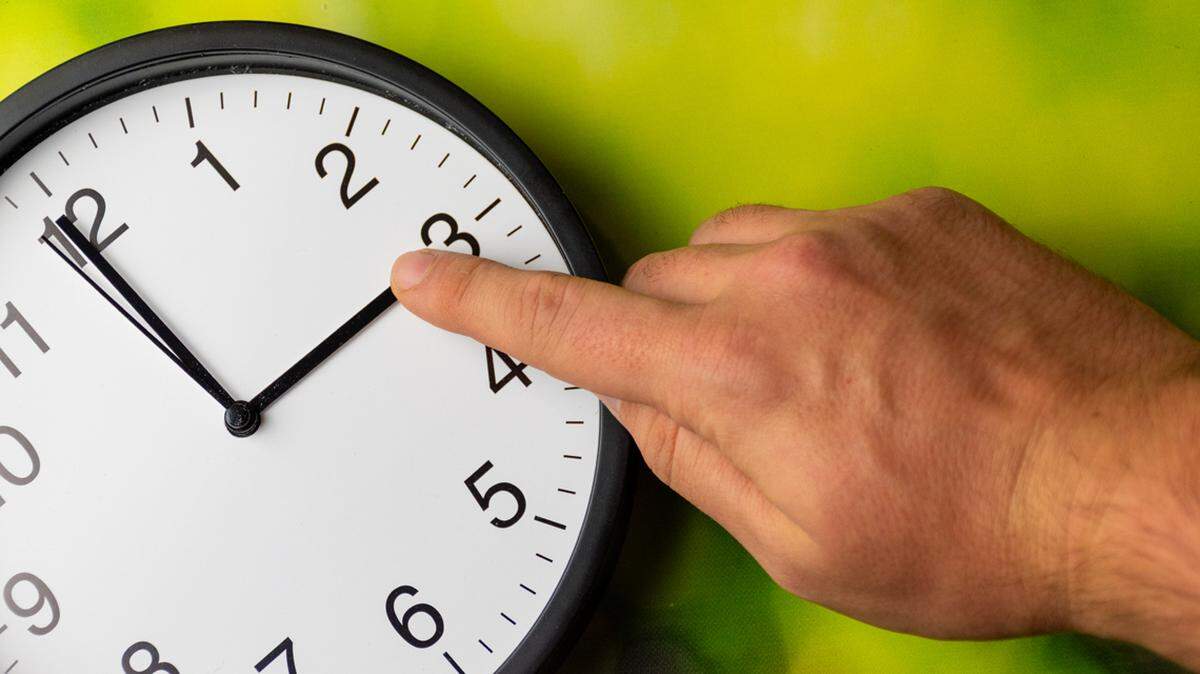
Pennsylvania residents will soon gain an hour when they set their clocks back at 2 a.m. Sunday, Nov. 2 for the end of daylight saving time.
This year’s daylight saving time began in March.
But haven’t state legislators tried to end the practice of springing forward and falling back? Lawmakers in the commonwealth have introduced many bills aiming to end clock-changing, and U.S. senators have tried, too.
Here’s what to know about the state of daylight saving time in Pennsylvania.
Daylight saving time legislation in Pennsylvania
Bills relating to daylight saving time often circulate the Pennsylvania legislature. One example is House Bill 119, which would end the use of daylight saving in the commonwealth. H.B. 119 was introduced in January, and its most recent action was a referral to the Intergovernmental Affairs & Operations Committee Jan. 16.
In March, the Pennsylvania Senate passed a resolution to ask Congress to end clock changing. State governments are unable to choose permanent daylight saving time, and such a change would require approval at the federal level.
These recent efforts are far from the only attempts to curb daylight saving in Pennsylvania, and the U.S. Senate has introduced similar legislation for the nation. So far, Hawaii and Arizona are the only states in the country that don’t observe daylight saving time, and the Navajo Nation portion of Arizona does practice daylight saving.
The history of daylight saving
Daylight saving time was made a legal requirement by the Uniform Time Act of 1966, the U.S. Department of Transportation’s Bureau of Transportation Statistics reports.
State governments cannot independently change time zones or the length of daylight saving time, the department reports, but they can exempt themselves from the practice.
Next year’s daylight saving time will begin Sunday, March 8, 2026.
How does daylight saving affect sleep?
While Pennsylvania residents will gain an hour Nov. 2, the time change might not actually translate to more sleep.
Only “a minority of people” actually get an extra hour of sleep on the fall night when daylight saving time ends, according to a 2020 article from Harvard Health Publishing.
“During the following week, many people wake up earlier, have more trouble falling asleep, and are more likely to wake up during the night,” the article reads.
The end of daylight saving time has also been linked to other issues, such as increased collisions with deer, a 2022 article published by Current Biology reports.
While you might be less well-rested when the time changes this November, an Oct. 30, 2024, article from Mass General Brigham offers these tips on how to reduce sleep loss:
- Try going to bed and waking up a little bit earlier on the few nights leading up to the time change.
- Avoid consuming caffeine after 2 or 3 p.m.
- Consider eating dinner an hour earlier for a few days.