TSA says Pennsylvanians have a choice: $30 to fly with Real ID or this fee at the gate
Travelers without REAL ID or other acceptable identification will be required to pay a new $45 fee to board a plane starting Sunday, Feb. 1, though less than half of Pennsylvanians have upgraded their license.
The Transportation Security Administration announced in December the fee would be used to cover identity verification at airport security checkpoints.
“Travelers will be able to pay $45 to use TSA ConfirmID for a 10-day travel period,” the agency said in a press release, referring to the new identity verification program. ConfirmID uses biometric information, such as facial scans, to confirm a traveler’s identity.
The TSA said ConfirmID should take 10 to 15 minutes to complete at the airport, on average, and asked travelers to pay the fee in advance of their flight. The vast majority of flyers already comply with REAL ID rules, the agency noted.
It costs $30 to upgrade to Real ID in Pennsylvania, $15 short of the fee being instituted by the TSA at airports. Pennsylvanians are not required to pay an added fee to renew their REAL ID identification.
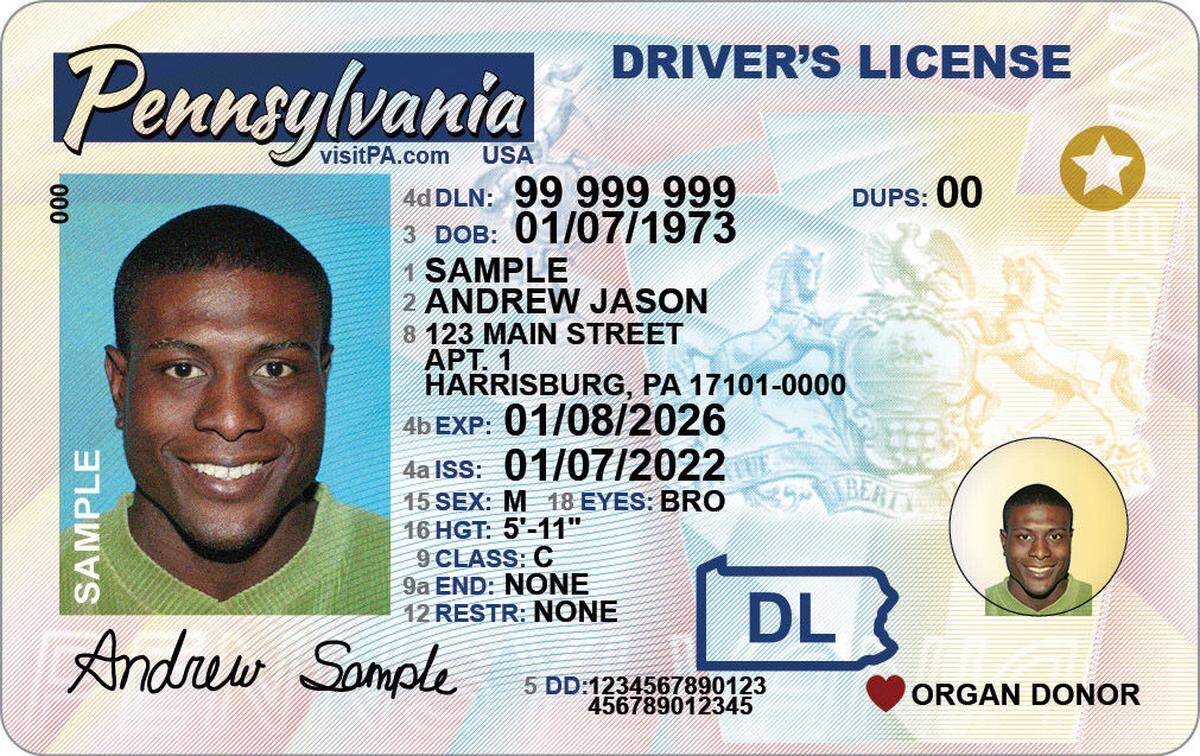
Other acceptable forms of identification include passports and military ID cards.
Three and a half million Pennsylvanians already have a REAL ID as of Jan. 5, according to Pennsylvania Department of Transportation spokesperson Leanne E. Trindel. That’s about 35% of those who have some sort of state identification, and up 400,000 from June.
About 44,500 Centre County residents have a REAL ID, or 46% of ID-holders. The deadline to adopt Real ID for domestic travel and entrance to some federal properties was in May.
The fee, which would only apply to adult flyers, is considerably higher than what the agency said in November. The TSA previously stated in a federal filing the fee would be $18. The government estimated in a report that ConfirmID will cost $135 million to operate in its first year, with costs gradually falling as more Americans adopt REAL ID.
REAL ID is a standardized, enhanced form of identification that was mandated by the federal government in 2005 in the wake of the 9/11 terrorist attacks. Enforcement at airports, military bases and other secure sites was pushed back several times due to opposition from states and the COVID-19 pandemic.