
Ready your plants. These PA cities are where Farmers’ Almanac predicts the first frost
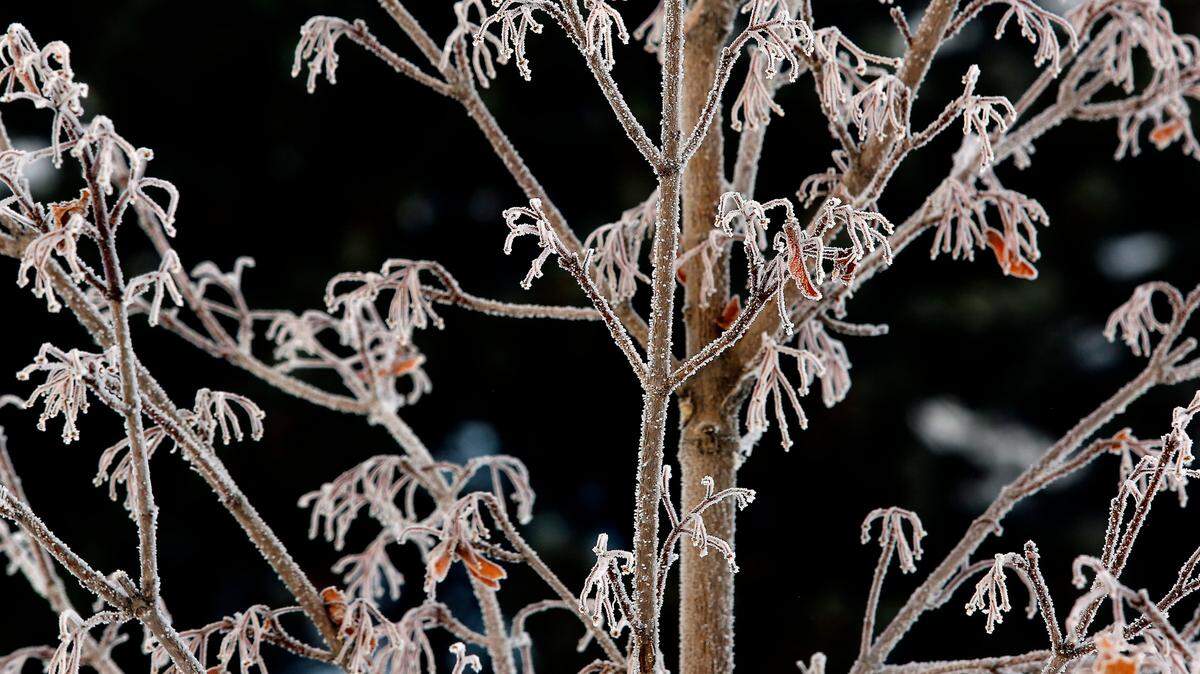
Autumn has begun, and it’s not too soon for gardeners in Centre County to prepare for the season’s first frost.
The Old Farmer’s Almanac predicts the fall’s first frost for a host of cities in the U.S. and Canada. These dates are expected to bring a light freeze, with temperatures between 29 and 32 degrees.
In Centre County, the almanac calls for the first frost in Millheim Oct. 1 and in State College Oct. 20.
The almanac also expected a frost in Snow Shoe Sept. 21 and in Philipsburg Sept. 26, however data from The Weather Channel show temperatures did not fall below 40 degrees those days. The almanac does offer a disclaimer that its dates are only estimates based on historical climate data.
The Old Farmer’s Almanac was first published in 1792. The Farmers’ Almanac, meanwhile, was founded in 1818.
The Farmers’ Almanac has predicted the first frost in five Pennsylvania cities based on the normal average date it occurs. According to the almanac, Lebanon will see the first fall frost Oct. 13, followed by Wilkes-Barre Oct. 16 and Pittsburgh Oct. 17. The almanac predicts Erie’s first frost will be Oct. 29 and Philadelphia’s will be Nov. 4.
The Old Farmer’s Almanac says the first frost is likely to occur on a clear, calm night.
According to the National Weather Service, the average date of the first fall freeze is Oct. 1 in northern Centre County and Oct. 11 in the rest of the county.
Frost/freezes are categorized at three levels. A light freeze will kill tender plants such as cucumbers, peppers and sweet corn. A moderate freeze (25 to 28 degrees) is “widely destructive” to most vegetation and causes heavy damage to fruit blossoms and tender and semi-hardy plants. Severe freezes (24 degrees and colder) will damage most plants, the almanac says.
Protect your plants from frost
The almanac offers tips to protect your garden from frost, as well as a guide to various plants’ resistance to extreme cold.
Cabbage isn’t damaged by frost until temperatures drop to 26 to 28 degrees; it’s considered hardy because it can tolerate short periods of frost. At the other end of the spectrum are tomatoes, which can be damaged at temperatures of 32 to 34 degrees. Tomatoes are considered tender because they are damaged by light frost. They need to be protected from extreme cold or harvested before it begins, the almanac says.
Protect your plants from frost with a blanket or row cover, the almanac advises. Row covers, made of nonwoven polyester, can be found at garden stores. Bed sheets, drop clothes and medium-weight fabric will also work as covers.
Here are some more tips from Better Homes & Gardens to keep plants protected from frost:
- Move containers and tender plants indoors.
- Water well, as moist soil holds more heat than dry soil.
- Add a thick layer of mulch the night before cold temperatures are expected.