
Climate watch: Yes, EVs really are cheaper to run
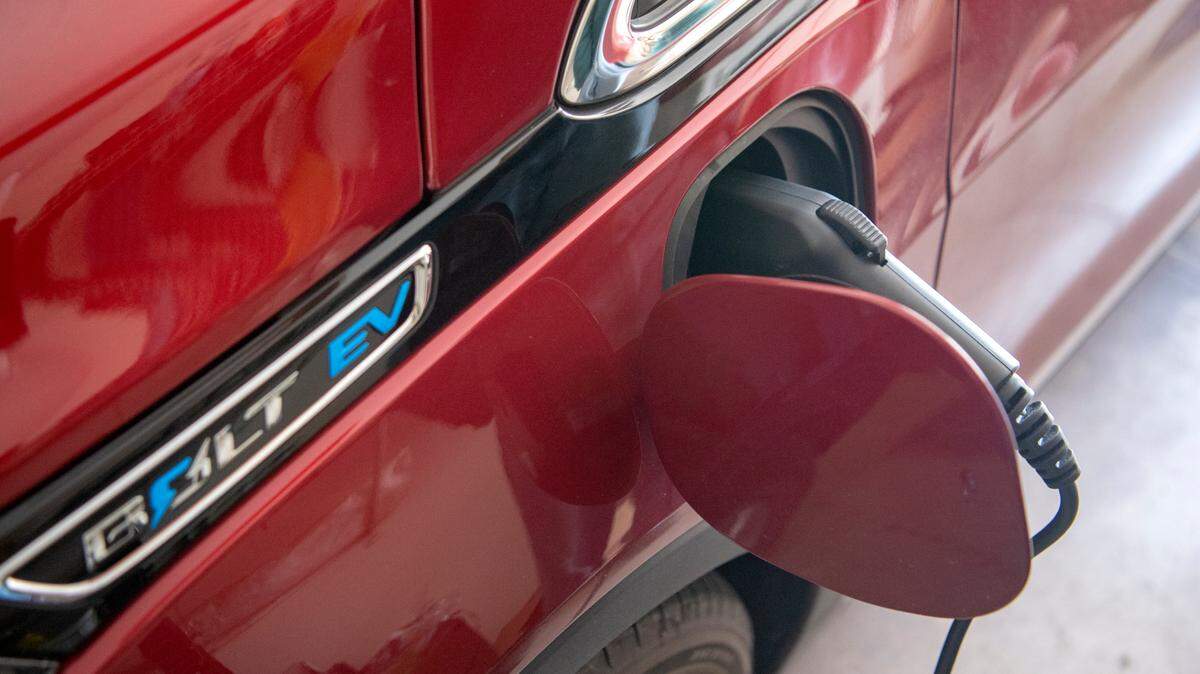
The “per gallon” cost to charge an electronic vehicle in Pennsylvania is $1.82 cents. That’s according to Yale Climate Connections researcher Karen Kirk. Based on electricity prices as of January 2026, Kirk calculated — for all 50 states — the cost of charging an EV at home by an amount equivalent to one gallon of gasoline.
Kirk has written about the math behind her calculations before.
“One reason EVs are a bargain to fuel is that electric drivetrains are vastly more efficient than internal combustion engines,” she says. “Consider a gasoline price of $4 per gallon. In an internal combustion vehicle, around three dollars’ worth of that gasoline is lost as waste heat and friction, and only one dollar’s worth of the fuel actually moves the car down the road. The rest of the energy is lost in the process.
“EVs are much simpler machines: A battery produces an electrical current that spins a rotor, which, in turn, spins the drive axle. EVs also recapture the energy that would otherwise be lost during braking, feeding electricity back into the battery as the vehicle slows down. All told, around 90% of the original energy used to charge a car goes toward propelling the vehicle.
“Even in the worst-case scenario where an EV is charged on a coal-heavy grid, an EV is still more efficient than a gasoline-burning car.”
State awards $267 million
The PA Dept. of Environmental Protection announced on April 28 more than $267 million in grants to help 31 manufacturing projects reduce fossil fuel emissions and lower energy costs. These projects will save PA businesses more than $3.1 million in annual energy costs and reduce more than 1.3 million metric tons of carbon dioxide equivalent in their first year of implementation. This funding is awarded through the RISE PA program and is part of $396 million secured by the State through the federal Inflation Reduction Act of 2022.
Growing while going green
Economies in wealthy nations can grow while restricting greenhouse gas emissions, suggests a Penn State study. “The researchers found that high-income countries were able to reduce or neutralize emissions when they implemented strong climate policies — which can include instruments such as carbon taxes, subsidies for carbon free technologies, bans and technological standards — even as their economies grew,” says a university press release. The study was published in Social Forces, a peer-reviewed journal.
Pittsburgh solar farm
Pittsburgh’s Urban Redevelopment Authority has okayed a 25-year lease for a solar farm to offset 100% of the electricity demand at four city schools. The site is a former brownfield that was a slag heap for steel industry waste. Construction will take place in 2028.
New sustainability major
Penn State now has a new undergraduate major in sustainability, society and environmental geography. It’s a B.A. program for students who want to apply sustainability knowledge in government, NGO settings, and the private sector.
Solar for local faith communities
Learn “How Faith Communities Are Cutting Energy Costs With Solar” from 6:30 to 8 p.m., Monday, May 18, in the Fireside Room of University Baptist & Brethren Church (UBBC), 411 S. Burrowes St., State College. Hear from three congregations which already have made or are making the switch. It’s free but registration is requested at https://forms.cloud.microsoft/g/Bc6DAA0ypf. The meeting is sponsored by the Centre Region Council of Governments and the State College chapter of Citizens’ Climate Lobby.
Richard Jones is a member of the State College chapter of Citizens’ Climate Lobby. Reach the chapter at PaStateCollege@citizensclimatelobby.org.